
Pests
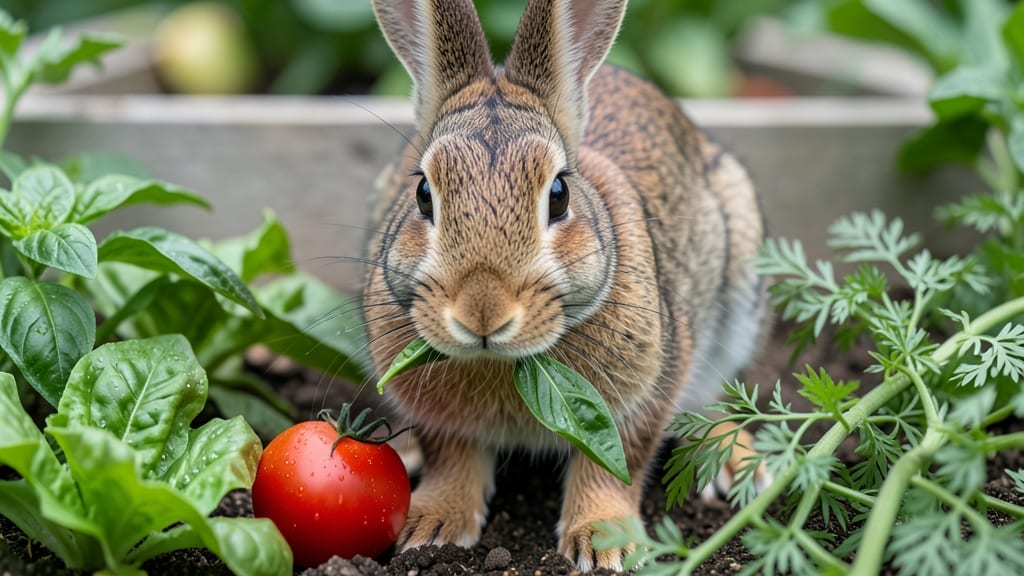
Rabbits wreak havoc on vegetable gardens by devouring young shoots, leaves, and even bark, often leaving behind telltale jagged bite marks. Different species show distinct preferences—some favor root crops while others focus on leafy greens like lettuce and herbs. Quick action with fencing or repellents is essential to protect your plants and help your garden bounce back.
These furry pests don't just nibble—they can completely strip seedlings overnight, especially during spring when tender new growth is most vulnerable. 🌱 The damage often starts with grazing on leaves but escalates to bark stripping in late winter when other food sources are scarce.
I've seen gardens go from thriving to devastated in just a few nights if left unchecked, which is why I always recommend combining physical barriers with natural deterrents like garlic or predator urine for best results.
What's interesting is how rabbit behavior changes with the seasons. During breeding season, for example, they become even more aggressive about finding food, which means your garden becomes a prime target.
The key to recovery lies in understanding which plants they favor most—like basil or cilantro—and implementing targeted protection before they strike.
💡 In This Article
- Common Rabbit Feeding Patterns in Vegetable Gardens
- Effective Rabbit Deterrents and Garden Recovery Strategies
Common rabbit feeding patterns in vegetable gardens
Rabbits exhibit distinct feeding behaviors that depend on species and seasonal availability. Eastern cottontails, the most common garden raider, primarily graze on leafy greens like lettuce, spinach, and herbs such as basil and parsley.
Their teeth are designed to shear plant stems cleanly, leaving behind 1-2 inch jagged edges—a dead giveaway for gardeners. 🐇 What's fascinating is how they target plants at specific growth stages: seedlings are their favorite because they're soft and nutrient-rich, while mature plants become secondary targets only when other options are scarce.
The damage varies dramatically by plant type. Root vegetables like carrots and beets are often partially unearthed and gnawed, while tomatoes and peppers suffer from stem damage that causes plants to collapse. Interestingly, rabbits show a 90% preference for plants with high moisture content (like lettuce) over drier varieties.
Their feeding patterns also shift with temperature—when nights drop below 40°F, they become more active at dawn and dusk to avoid predators, which is when your garden becomes most vulnerable.
Seasonal behavior plays a crucial role in damage severity.
During late winter and early spring, when natural food sources are limited, rabbits will strip bark from young trees and shrubs—a behavior called "bark stripping" that can kill woody plants. 🌿 This is particularly damaging to fruit trees like apple or peach saplings, where even a 1-inch ring of bark removal can girdle and kill the plant within weeks.
The breeding season (typically spring) also intensifies their foraging as does, with females needing extra nutrition to support their young.
Herbs are especially high-risk because rabbits find them irresistible. Plants like cilantro and dill can be completely defoliated in a single night, while more robust herbs like rosemary may only suffer from stem damage.
The key difference lies in plant chemistry—herbs with strong aromatics (like thyme) are slightly less appealing, but their tender new growth still gets targeted. Understanding these preferences lets you prioritize protection for the most vulnerable crops first.
What most gardeners don't realize is how rabbit feeding creates a cascading effect. When they strip leaves from plants like kale or Swiss chard, the remaining foliage becomes stressed and more susceptible to disease.
The jagged bite marks also create entry points for pests like slugs. This is why I recommend examining plants for these telltale signs weekly during growing season—early detection can save your entire crop.
Interestingly, rabbits have a selective memory for food sources. If you successfully protect certain plants one season, they'll often move on to other areas of your garden the next. This is why rotating deterrent methods and plant locations can be so effective.
The key is to stay one step ahead of their learning curve—just like training a pet, but with a lot more fur and destruction potential.