
Tools
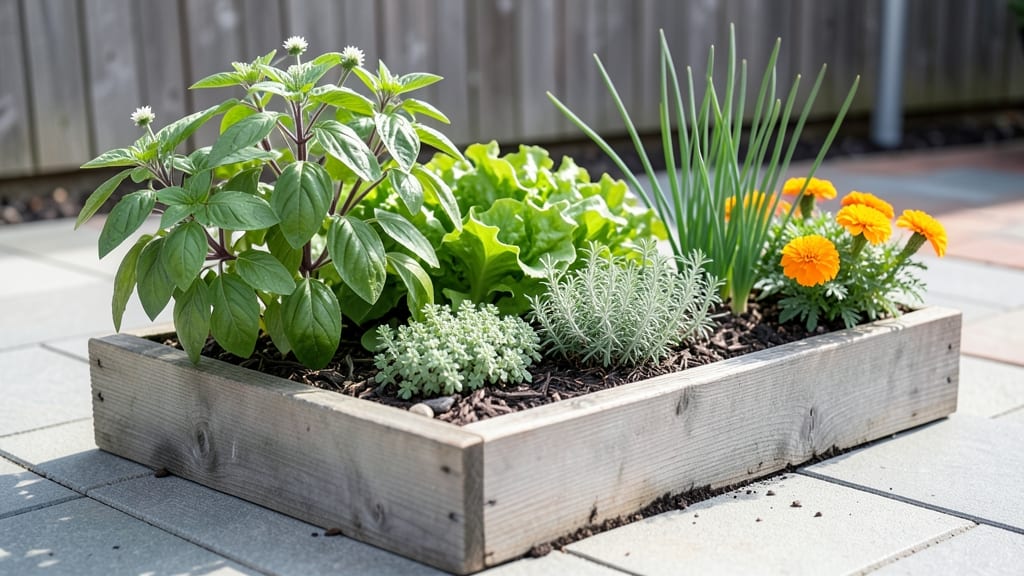
A raised patio garden bed needs 6- to 12-inch height for proper drainage and easy maintenance, sturdy materials like cedar or composite lumber, and a weed-blocking fabric base that still lets water through. Spacing between boards is key for airflow and structural strength.
A raised patio garden bed isn't just about aesthetics—it's a smart way to control soil quality and prevent weed growth while working at a comfortable height. 🌱 The height range (6-12 inches) balances drainage needs with root space, while cedar or composite lumber resists rot and pests better than treated wood over time.
I've found that adding 1-inch spacing between boards prevents warping and allows airflow to the soil below, which is especially important in hot climates where moisture evaporates quickly.
The fabric layer isn't just for weeds—it creates a barrier that keeps soil from mixing with native dirt while still letting water penetrate. For drainage, I recommend starting with 2-3 inches of gravel at the bottom, topped with a layer of coarse sand before adding your garden soil mix.
This setup works particularly well on patios where water might pool, as it prevents soggy roots while keeping the structure stable.
💡 In This Article
- Optimal Height and Material Choices for Patio Garden Beds
- Step-by-Step Drainage and Soil Prep for Raised Patio Gardens
Optimal height and material choices for patio garden beds
Height matters more than most people realize in a raised patio garden bed. The 6- to 12-inch range exists for critical reasons: drainage and root development. At 6 inches, you prevent waterlogging while still accommodating shallow-rooted plants like herbs and lettuce.
But if you're growing deeper-rooted vegetables like carrots or tomatoes, 10-12 inches gives those roots the space they need to thrive without hitting compacted patio soil below.
Think of it like a moisture buffer zone—too shallow and roots suffocate; too deep and you create a swampy environment where fungal diseases thrive.
Material choice directly impacts your bed's lifespan and maintenance needs. Cedar is the gold standard for natural wood because its natural oils resist rot and insects, lasting 10-15 years with proper sealing. Composite lumber (made from recycled wood fibers and plastic) offers even better durability—20+ years with no sealing required—but costs 2-3 times more than cedar.
Untreated pine, while cheaper, warps easily and needs annual sealing to prevent mold. For fasteners, avoid galvanized nails (they rust) and opt for stainless steel or coated deck screws instead. These hold better in wet conditions and won't corrode over time.
Board thickness is often overlooked but makes a huge difference. 2x6 boards (actual dimensions: 1.5" x 5.5") are the minimum for stability, but 2x8 or 2x10 boards (2" x 7.25" or 2" x 9.25") distribute weight better and prevent sagging under heavy mulch or foot traffic.
Pro tip: If using cedar, stain the bottom boards with a waterproof sealant to protect against moisture wicking from the ground—this simple step can double your bed's lifespan.
The 1-inch spacing between boards isn't just for looks; it creates airflow that prevents mold buildup and allows you to easily check for pests or drainage issues.
For patio-specific challenges, consider these material tradeoffs: Cedar looks beautiful but fades to silver-gray over time, while composite maintains its color but can get too hot to touch in full sun.
If your patio gets heavy foot traffic, composite's 300+ pound per square foot weight capacity makes it the safer choice. Another often-missed detail is the bottom board—if your patio has a slight slope, install it at a 1-2 degree angle to help water run off naturally during rain.
This small adjustment prevents water pooling that could rot your base.
When assembling, use corner braces at each junction to prevent the structure from spreading over time. The weight of the soil (about 100 pounds per cubic foot) creates outward pressure, so these braces act like the "ligaments" holding your garden together.
For extra stability, sink the corner posts 6 inches into the ground if your patio is on a concrete slab—this creates a stronger anchor point. The result? A bed that stays square and level, even after years of seasonal expansion and contraction.
Here's what I've learned from building five patio garden beds: The material thickness and fastener choice matter just as much as the height. A bed built with 1-inch thick cedar and stainless screws will outlast one made with 3/4-inch pine and rusty nails by 3-5 years.
And that extra durability means fewer repairs, less maintenance, and happier plants. 🌿