
Tools
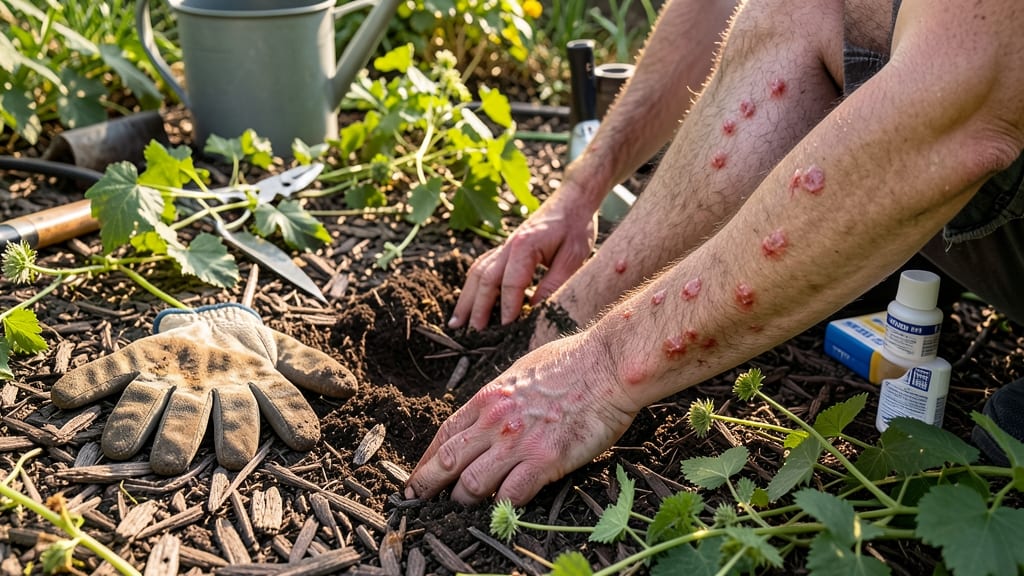
A rash after gardening usually appears due to plant sap irritation, insect bites, or reactions to soil chemicals like fertilizers. Treating it involves washing the skin immediately, applying cool compresses, and using hydrocortisone cream to relieve itching while avoiding further contact with triggers.
A gardening rash often shows up within hours of exposure, especially when handling plants like poison ivy or touching contaminated soil. 🌿 The oils in many plants can trigger allergic reactions, while insects like chiggers leave behind tiny bites that cause itchy bumps.
I've found that wearing long sleeves and gloves during gardening sessions significantly reduces the risk of skin irritation, and rinsing with mild soap right after working outside helps remove potential irritants before they cause problems.
For persistent rashes or signs of infection like pus or swelling, it's best to consult a healthcare provider. Over-the-counter antihistamines can also help reduce inflammation and itching while your skin heals. Prevention is key—consider using barrier creams or choosing less irritating plants if you have sensitive skin.
💡 In This Article
- Common Plant and Soil Allergens Causing Gardening Rashes
- Step-by-Step Rash Treatment and Prevention Tips
Common plant and soil allergens causing gardening rashes
Gardening rashes often stem from urushiol oil, a chemical found in plants like poison ivy, poison oak, and poison sumac. This oil is colorless and odorless, making it nearly invisible, but it can penetrate the skin within minutes of contact.
Just 5 micrograms of urushiol—about the amount on your fingertip—can trigger a severe allergic reaction in sensitive individuals. The oil binds to skin proteins, activating an immune response that causes redness, swelling, and blisters within 12-48 hours of exposure.
Soil itself can also be a culprit, especially when laced with fertilizers containing nickel or cobalt, which are common allergens. Pesticides like organophosphates or synthetic pyrethroids may further irritate skin, particularly if you have eczema or sensitive skin.
Insects like chiggers (tiny mites) burrow into the skin to feed on lymph fluid, leaving behind itchy red welts that can become infected if scratched. Mosquito bites, while less common in garden settings, can also trigger localized rashes in some people.
The way these allergens interact with your skin depends on your immune system's sensitivity. For example, urushiol causes a delayed hypersensitivity reaction—meaning your body recognizes the oil as a threat and mounts an immune response hours later.
This is why you might feel fine immediately after gardening but develop a rash the next day. The severity of the reaction varies widely: some people experience mild redness, while others develop large, oozing blisters covering their arms and legs.
Even seemingly harmless plants can cause irritation. For instance, stinging nettles contain formic acid, which causes a burning sensation upon contact. The acid damages skin cells, leading to red, raised welts that itch intensely.
Similarly, citrus plants like lemon or lime can cause phytophotodermatitis—a rash triggered by the combination of their sap and sunlight. When exposed to UV rays, the limonene in citrus oils reacts with skin proteins, creating a chemical burn that turns skin dark and scaly.
Prevention starts with identifying high-risk plants in your garden. Poison ivy, for example, follows the "leaves of three" rule—its glossy green leaves grow in clusters of three. Sumac has feathery clusters of leaves, while oak leaves have rounded lobes.
If you're unsure about a plant, avoid touching it or use a barrier cream with a 10% bentoquatam formulation, which blocks urushiol penetration. Always wash your hands and tools thoroughly after working with plants, even if they seem harmless.
Soil-related rashes often appear on hands, knees, or forearms—the areas most exposed during gardening. The texture of the rash can vary: some look like dry, scaly patches, while others resemble hives with raised, fluid-filled bumps.
If you notice these symptoms after handling soil, consider wearing nitrile gloves when planting or weeding, as latex gloves don't always provide a full barrier against chemicals.