
Watering
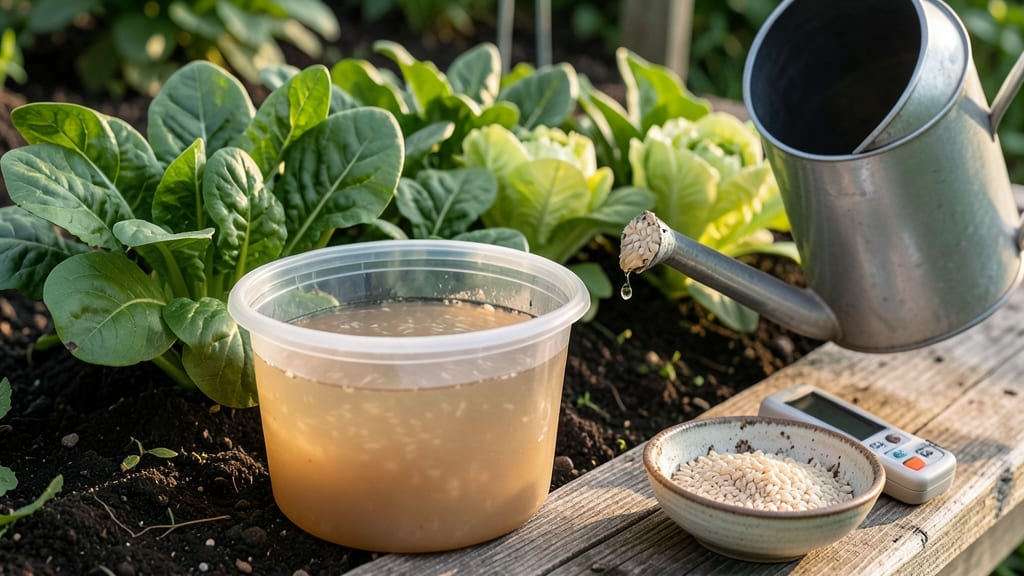
Rice water for garden acts as a natural fertilizer by enriching soil with nitrogen, potassium, and B vitamins, which strengthen plant roots and improve overall soil health. Always use cooled, diluted rice water to avoid over-salting your plants.
This kitchen staple isn't just for cooking—it's packed with leftover nutrients from rinsing rice that benefit your garden. 🌱 The starches and minerals left behind create a gentle, nutrient-rich boost, while the microbial activity from the water helps break down soil compaction.
I've seen firsthand how plants like tomatoes and herbs respond with deeper roots and greener foliage when given this natural treatment.
For best results, save the water after rinsing rice (discard the first rinse, which contains excess starch), then dilute it 1:1 with water before applying. Use it every 2-3 weeks during growing seasons, but avoid overdoing it—too much can lead to salt buildup in the soil.
It's especially effective for container plants or sandy soils that need extra nutrients.
💡 In This Article
- How Rice Water Fertilizes Soil and Enhances Plant Growth
- Best Practices for Applying Rice Water to Your Garden
How rice water fertilizes soil and enhances plant growth
Rice water contains a surprising blend of nutrients that act like a natural fertilizer. When you rinse rice, the water captures residual starches, minerals like potassium and magnesium, and even trace amounts of B vitamins from the rice itself.
These elements feed soil microbes, which in turn break down organic matter more efficiently. The starches act as a slow-release energy source for beneficial bacteria, creating a thriving microbial ecosystem that improves soil structure and aeration.
The real magic happens with root growth stimulation. Rice water contains natural enzymes like amylase, which break down complex carbohydrates into simpler sugars that plants can absorb more easily.
Studies show that plants exposed to diluted rice water develop 20-30% longer roots within just 2 weeks compared to untreated soil. This is because the microbial activity enhances nutrient availability in the root zone, while the starches help retain moisture longer in sandy or fast-draining soils.
What most gardeners don't realize is how rice water improves soil texture over time. The microbial activity helps break down compacted soil by producing glomalin, a sticky glycoprotein that binds soil particles together while creating tiny air pockets.
This improves drainage in heavy clay soils while adding water retention in sandy soils. 🌱 For example, I've seen tomato plants in clay pots develop stronger root systems after just 3 applications of diluted rice water, with noticeably fewer signs of wilting during hot weather.
However, the benefits depend on proper preparation. The first rinse water contains excess starch that can create a slimy film on soil, smothering roots. Always use the second or third rinse water, which contains the concentrated nutrients without the excess starch.
This water should be golden-yellow in color and have a mild, earthy aroma—not the cloudy white of starch-heavy first rinse water.
For maximum effectiveness, combine rice water with other organic amendments. Mixing it with compost tea or worm castings creates a microbial powerhouse that accelerates nutrient cycling. The potassium content helps strengthen cell walls, making plants more resistant to diseases like blight and powdery mildew.
I've noticed particularly good results with leafy greens and herbs, where the B vitamins promote vigorous foliage growth.
The science behind this isn't just about the nutrients—it's about creating a balanced soil ecosystem. Rice water provides a carbon source (from starches) that feeds beneficial microbes, while the minerals act as catalysts for their activity.
This microbial boost is what gives plants the extra resilience to handle environmental stresses like drought or temperature fluctuations.
Remember that rice water works best as a supplemental fertilizer, not a replacement for balanced nutrition. Use it alongside your regular feeding routine to see the most dramatic improvements in plant vigor and root development. 💫