
Tools
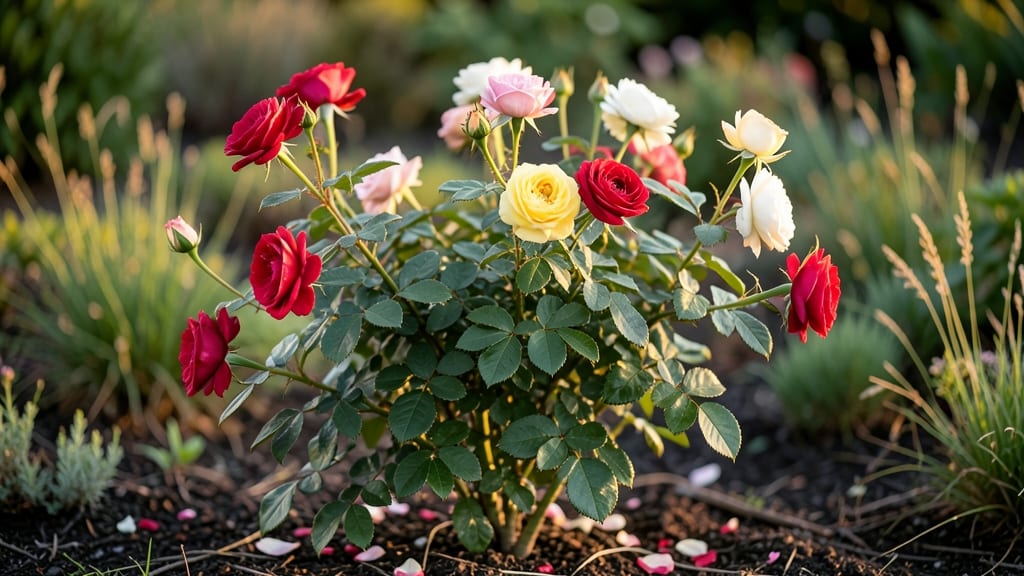
Creating a thriving rose garden in Seattle WA means timing your plantings for early spring (March–April) or fall (September–October) when soil temperatures are stable, using well-draining, acidic soil enriched with compost, and choosing resilient varieties like 'Knock Out' or 'David Austin' roses that handle the Pacific Northwest's damp, cool conditions.
Seattle's unique climate—cool summers, mild winters, and frequent rain—demands roses that can handle moisture without succumbing to fungal diseases. 🌧️ The right soil prep is critical: Seattle's heavy clay soil needs organic matter like compost or aged manure to improve drainage, while a 5.5–6.5 pH level keeps roots happy.
I've found that mulching with cedar chips helps retain moisture while preventing soil-borne pathogens from splashing onto leaves during rainy seasons.
For variety selection, focus on disease-resistant hybrids that thrive in USDA Zone 8 conditions. 'Knock Out' roses are a local favorite because they bloom continuously, tolerate humidity, and require minimal pruning. Meanwhile, 'David Austin' roses offer classic floral fragrance while handling Seattle's damp winters better than traditional hybrid teas.
The key is matching your choices to your garden's specific microclimate—urban areas may need more shelter from wind, while rural spots benefit from better airflow.
💡 In This Article
- Best Rose Varieties for Seattle’s Climate and Soil
- Seattle-Specific Soil Preparation and Planting Timeline
Best rose varieties for Seattle’s climate and soil
Seattle's maritime climate—cool summers (70-80°F) and mild winters (35-45°F)—creates ideal conditions for roses that resist fungal diseases like black spot and powdery mildew.
The key is selecting varieties with natural resistance to these issues, which thrive in the region's high humidity (70-80%) and frequent rainfall. 🌧️ Disease-resistant roses like 'Dr. Huey' (a Knock Out® series) or 'The Fairy' (a David Austin English rose) have been bred to withstand wet foliage without developing unsightly spots, thanks to their waxy leaf coatings and genetic immunity to common pathogens.
The Pacific Northwest's USDA Zone 8 climate eliminates the need for frost-tolerant varieties, but cold-hardy roses still shine here. Shrub roses like 'John Cabot' or 'William Baffin' can handle Seattle's occasional 20°F dips without bud damage, while climbers such as 'Zéphirine Drouhin' add vertical interest without requiring staking.
What sets these apart from traditional hybrid teas is their drought tolerance—critical for Seattle's rainy winters, when overwatering can lead to root rot. For example, 'Knock Out' roses need only 1 inch of water per week once established, compared to 2-3 inches for hybrid teas.
Fragrance plays a surprising role in Seattle's rose gardens. The David Austin roses, bred for old-fashioned scent, release their most intense aromas in the evening—perfect for Seattle's cooler nights. Their petal structure traps essential oils longer than hybrid teas, creating a 20-foot scent radius when in full bloom.
This makes them ideal for urban gardens where space is limited but sensory enjoyment is prioritized. 🌸 Meanwhile, 'Bonica' (a Floribunda) offers 100+ blooms per season with minimal care, making it a top pick for busy gardeners.
For urban gardeners, space-saving varieties like miniature roses (e.g., 'Fairy Tale') or ground cover roses (e.g., 'Flower Carpet') thrive in Seattle's compact soil and limited sunlight conditions. These varieties grow 1-2 feet tall and spread 3-4 feet wide, perfect for container gardening or small yards.
Their shallow root systems also make them less susceptible to Seattle's heavy clay, which can suffocate deeper-rooted roses.
What most Seattle gardeners overlook is the importance of wind resistance. The city's 10-15 mph coastal winds can snap delicate stems, so varieties like 'New Dawn' (a climbing rose) or 'Double Delight' (a shrub rose) have flexible canes that bend rather than break.
Their thick, leathery leaves also reduce windburn, a common issue in exposed urban gardens. 💨
Consider these top performers for Seattle gardens:
- Best for low maintenance: 'Knock Out® Roses' (continuous blooms, 4-5 feet tall)
- Best for fragrance: 'Gertrude Jekyll' (David Austin, 5-foot climber with tea rose scent)
- Best for containers: 'Fairy Tale' (miniature rose, 12 inches tall)
- Best for cut flowers: 'Bonica' (Floribunda, 3-4 feet tall, 100+ blooms)