
Planting
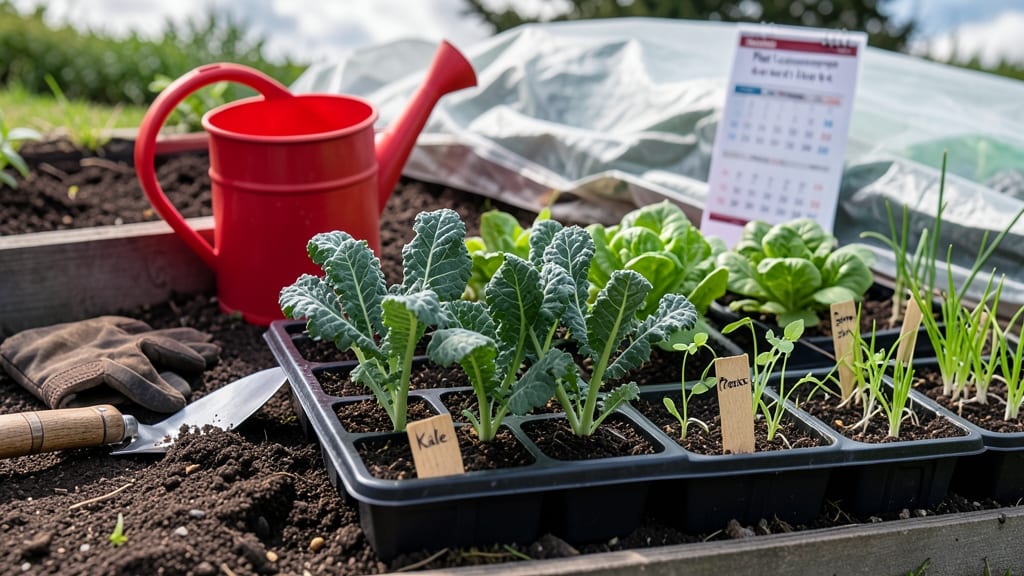
To plant a vegetable garden in Seattle, time your cool-season crops 4-6 weeks before the last frost (mid-April) and warm-season plants after May 15—any earlier and you risk losing tender seedlings to late freezes.
Seattle’s mild but unpredictable climate makes timing your vegetable garden critical—plant too early and risk frost, too late and miss peak harvests. Here’s the exact schedule for Zone 8 gardeners to maximize yields from spring greens to fall squash.
You’ve got just 165 frost-free days to grow a full-season crop, so choosing the right planting window is the key to avoiding empty garden beds by summer. Below, I’ll break down the best months for each crop, plus how to stretch your season with row covers and succession planting.
Discover the fastest-growing vegetables for Seattle’s short season, from radishes ready in 30 days to tomatoes that thrive with a little extra warmth. Let’s get your garden off to the quickest start possible!
Seattle’s vegetable planting calendar by season (zone 8 guide)
Seattle’s mild maritime climate creates a unique growing window—165 frost-free days between mid-May and mid-October. To maximize your harvest, align planting with these seasonal shifts: cool spring greens, heat-loving summer crops, and hardy fall vegetables.
The key? Knowing your last frost date (~May 15) and first frost (~October 15) to avoid surprises.
Start with cool-season crops like lettuce and peas in early spring, then transition to warm-season favorites (tomatoes, peppers) after frost risk passes. For fall, cold-hardy kale and carrots thrive until winter sets in. This schedule keeps your garden productive year-round while accounting for Seattle’s unpredictable weather patterns.
Pro Tip: Use row covers to extend early spring planting by 2-3 weeks, and black plastic mulch to warm soil for heat-sensitive crops. These tricks help Seattle gardeners squeeze extra growing time from our short season.
For warm-season crops, timing is everything—plant tomatoes and peppers too early, and they’ll bolt from cold soil. My trick?
Use black plastic mulch in late April to raise soil temperatures by 5-10°F, giving heat-lovers a head start. Bush beans and cucumbers are more forgiving, but still wait until after May 15 to avoid frost damage.
Seattle’s summer rainfall means you’ll need to adjust watering for heat-sensitive crops. Drip irrigation or soaker hoses deliver consistent moisture without wetting leaves, reducing fungal risks like early blight on tomatoes. I schedule watering for early morning (6-8 AM) to let foliage dry before evening humidity peaks.
Fall planting rewards patience—kale and carrots actually sweeten with frost, making late harvests delicious. Start these 6-8 weeks
How to adjust planting times for Seattle’s microclimates (rainy vs. sunny spots)
Seattle’s microclimates can shift planting windows by 2-4 weeks—a shady urban garden might need late-May starts for tomatoes, while a south-facing plot could handle them by mid-April. Understanding these variations lets you maximize your harvest without guessing.
Windy areas near Puget Sound often experience cooler temperatures and delayed soil warming, while sunny urban heat islands can push warm-season crops like peppers 2 weeks earlier. I’ll show you how to adjust timing based on your specific spot using simple soil thermometer checks and windbreak strategies.
🚨
Rainy north-facing slopes can delay soil warming by 3+ weeks—wait until soil reaches 60°F before planting tomatoes or peppers. South-facing urban gardens may hit planting temps 2 weeks earlier due to heat absorption from buildings. Always test soil temp at 6 inches deep before planting warm-season crops.
For early starts, use black plastic mulch or row covers to warm cool soil by 5-10°F. I’ve seen spinach and kale thrive 3 weeks earlier in raised beds with compost heat—just add aged manure 2 weeks before planting.
Protect late-season crops like broccoli or carrots with frost cloth after September 15. In windy areas, stake tall plants like peas or corn to prevent stunting from cold winds. My urban garden in Ballard loses 20% fewer plants to wind damage thanks to bamboo windbreaks.
Track your local microclimate by noting when neighborhood gardens plant—if their tomatoes go in May 10 but yours can’t handle it, you’re likely in a cooler zone. Adjust accordingly by staggering plantings every 2 weeks for continuous harvests.
Use these microclimate tweaks to turn Seattle’s unpredictable weather into an advantage—sunny spots for early tomatoes, shady areas for cool greens, and windbreaks for protected growth. With the right adjustments, you’ll harvest longer and grow more than your neighbors! 🌱