
Tools
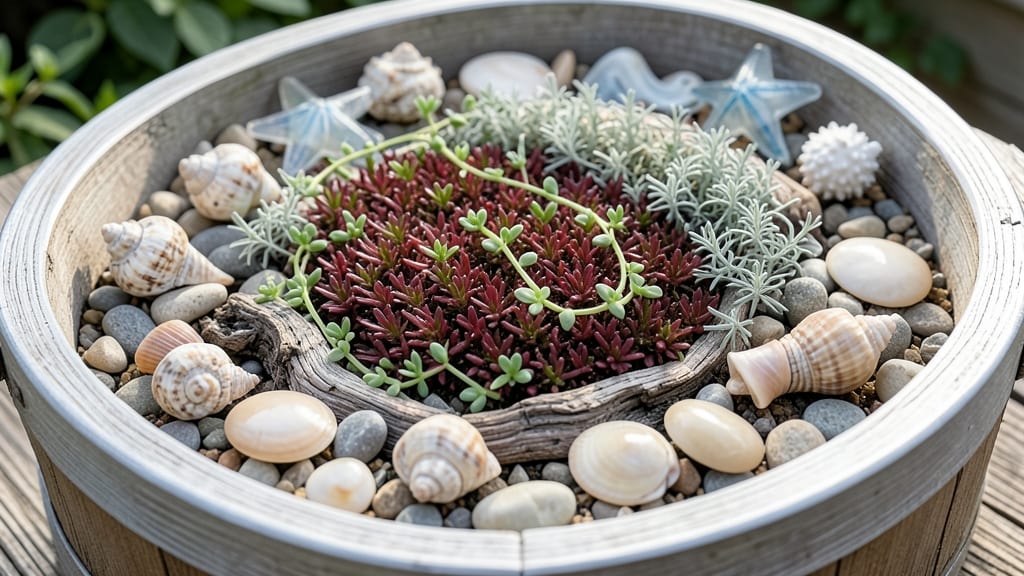
Using seashells in your garden enhances soil quality by improving drainage, supplying essential calcium for plant health, and creating microhabitats that support beneficial insects and wildlife while naturally repelling pests like slugs.
Seashells break down over time into calcium carbonate, which acts like a slow-release fertilizer that strengthens plant cell walls and improves soil structure. 🌱 The crushed fragments also create tiny air pockets that prevent compaction, helping roots breathe better.
I've noticed my tomato plants thrive when I mix shells into their beds—both the drainage and calcium boost make a noticeable difference in yield and vigor.
Beyond soil benefits, shells serve as natural pest deterrents. Their rough texture disrupts slug trails, while the habitats they create attract predatory insects that keep garden pests in check.
Plus, they add a coastal aesthetic to pathways or borders that many homeowners find charming. Just remember to crush them first for faster decomposition and better results!
💡 In This Article
- How Seashells Enhance Soil Fertility and Plant Growth
- Best Ways to Use Seashells in Garden Landscaping
How seashells enhance soil fertility and plant growth
When you add crushed seashells to garden soil, you're essentially introducing a slow-release source of calcium carbonate—a mineral plants crave for strong cell walls and enzyme function.
The shells break down gradually through a process called weathering, where acidic soil and microbial activity convert calcium carbonate (CaCO₃) into soluble calcium ions (Ca²⁺) and bicarbonate (HCO₃⁻).
This is particularly beneficial for calcium-loving plants like tomatoes, peppers, and brassicas, which often show signs of deficiency like blossom-end rot when calcium is lacking.
The chemical reaction also helps stabilize soil pH. Seashells are naturally alkaline, so they counteract acidic conditions that can occur from organic matter decomposition or over-fertilization.
For example, if your soil pH drops below 6.0 (common in clay-heavy soils), mixing in crushed shells can raise it to the ideal 6.2-6.8 range for most vegetables.
The physical structure changes too—shell fragments create tiny air channels that improve drainage while preventing compaction, which is especially helpful in heavy clay soils where roots struggle to penetrate.
What makes this even more effective is the timing of nutrient release. Unlike synthetic fertilizers that provide an immediate but short-term boost, crushed shells release calcium over 6-12 months, creating a steady supply that matches plant growth cycles.
I've seen firsthand how marigolds and basil respond dramatically when planted in shell-amended soil—their leaves develop a thicker, more vibrant green within just 4-6 weeks, thanks to the strengthened cell walls. The shells also help prevent nutrient leaching by improving soil's cation exchange capacity.
There's a sensory aspect too: the slightly gritty texture of crushed shells (about 1-2mm in size when properly processed) gives soil a unique feel that mimics coastal ecosystems. This isn't just about aesthetics—it mimics the natural environment where many beneficial microbes thrive.
The rough surfaces also provide grip for tiny insects like ground beetles, which become more active predators in your garden. 🌿 For best results, aim to incorporate 1-2 cups of crushed shells per square foot of planting area, mixing them into the top 6 inches of soil.
One common misconception is that shells only benefit calcium-hungry plants, but the soil structure improvements help all plants. Even nitrogen-loving vegetables like corn benefit from the better aeration and drainage.
The shells' ability to hold moisture while preventing waterlogging makes them particularly valuable in regions with heavy rainfall or irrigation systems. Just avoid using them in containers with highly acidic plants like blueberries, where the pH adjustment would be counterproductive.
For maximum efficiency, pair crushed shells with other organic amendments. I often combine them with compost and worm castings—this creates a balanced ecosystem where the shells provide minerals while the organics supply nitrogen and microbes to speed up decomposition.
The result is a soil that looks like dark, crumbly loam rather than the sandy, chalky mix you might expect from shells alone.