
Landscaping
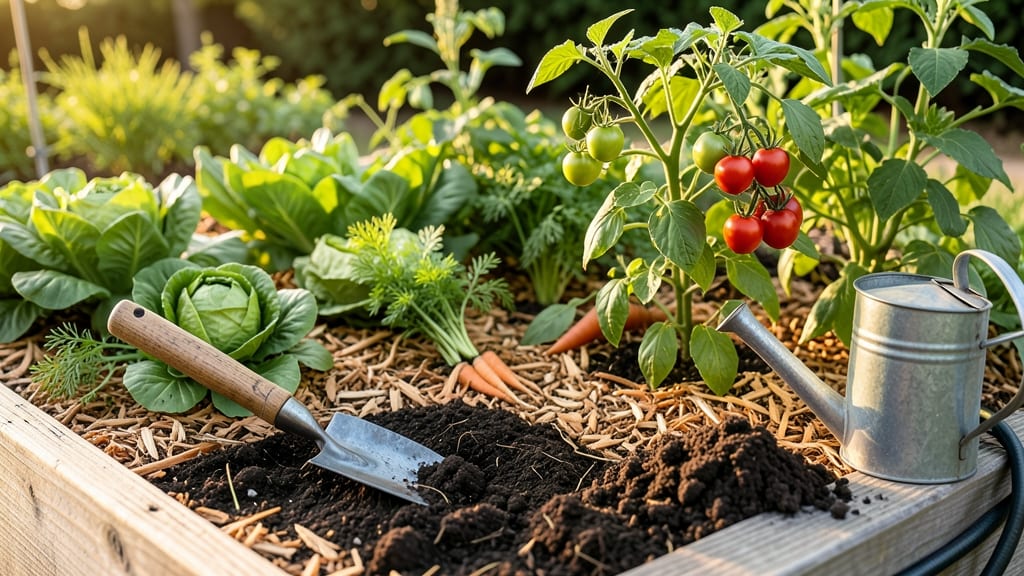
You should put mulch in your vegetable garden to improve soil health, conserve water, and reduce weeds, but apply it correctly—keep it 2-3 inches deep and 2 inches away from plant stems to prevent rot. Organic options like straw or wood chips also feed your soil over time.
Mulching transforms your garden by creating a protective layer that locks in moisture—critical during dry spells—while blocking sunlight that sprouts weeds. 🌱 The right mulch also acts like a natural insulator, shielding roots from extreme heat or cold, which is especially helpful for heat-sensitive veggies like lettuce or spinach.
I've seen gardens where proper mulching cut watering needs by nearly 50%, plus the soil stays looser and more fertile as organic mulches break down.
That said, timing matters: fresh mulch on wet soil can smother plants or attract pests, while too much near stems creates a damp environment perfect for fungal diseases. For best results, spread mulch after the soil has warmed in spring and reapply 2-3 inches annually to maintain benefits.
💡 In This Article
- How Mulch Improves Soil Health and Plant Growth
- Best Mulch Types for Vegetable Gardens and When to Avoid Them
How mulch improves soil health and plant growth
Mulch works like a natural blanket for your garden, creating a protective barrier that slows water evaporation by up to 70% during hot days. This happens because mulch reduces the soil's exposure to direct sunlight, which would otherwise dry out the top layer.
For example, a 2-inch layer of straw mulch can keep soil moisture levels stable for 2-3 weeks longer than unmulched soil, giving plants consistent hydration without frequent watering. 🌱 The science behind this is simple: mulch shades the soil, reducing heat absorption and slowing the breakdown of water molecules through evaporation.
Weed suppression is another major benefit, achieved by blocking sunlight that weeds need to germinate. Most weed seeds require light to sprout, and mulch creates a physical barrier that intercepts 90% of sunlight reaching the soil surface.
This is why gardens with mulch often see 80% fewer weeds compared to bare soil. The type of mulch matters here too—organic options like wood chips or leaves break down over time, while inorganic mulches like landscape fabric provide long-term weed control without enriching the soil.
Temperature regulation is where mulch truly shines, especially in extreme climates. During summer, mulch insulates soil, keeping root zones 5-10°F cooler than exposed soil. In winter, it traps heat radiating from the earth, protecting roots from freezing.
This insulation is crucial for heat-sensitive vegetables like lettuce or spinach, which can bolt (go to seed prematurely) when soil temperatures exceed 85°F. I’ve noticed in my own garden that mulched beds stay within the ideal 60-75°F range for most vegetables, even during heatwaves.
Organic mulches take this a step further by decomposing over time, adding vital organic matter to the soil. Straw, for instance, breaks down slowly, releasing nutrients like nitrogen and phosphorus as it decomposes. This process improves soil structure, making it easier for roots to penetrate and access water and nutrients.
Over 1-2 years, a 3-inch layer of organic mulch can increase soil organic matter by 1-2%, which boosts microbial activity and plant growth. The trade-off? Inorganic mulches like plastic or gravel don’t decompose, so they won’t enrich the soil but excel at long-term weed control.
However, mulch isn’t a one-size-fits-all solution. For instance, fresh mulch applied directly to wet soil can suffocate plant roots by trapping too much moisture, leading to rot. This is why it’s critical to let the soil dry slightly before adding mulch, especially in humid climates.
Additionally, mulching too close to plant stems—within 1-2 inches—can create a damp, shaded environment perfect for fungal diseases like powdery mildew. The key is balance: keep mulch 2-3 inches deep and maintain a 2-inch gap around stems for optimal airflow.
One often-overlooked benefit is mulch’s role in reducing soil erosion. When heavy rains hit unmulched soil, water can wash away the top layer, taking precious nutrients with it. Mulch acts as a sponge, absorbing rainwater gradually and preventing runoff.
This is particularly important for sandy soils, which drain quickly and lose nutrients faster. In my experience, mulched garden beds retain 30-40% more nutrients during rainy seasons compared to unmulched ones. 💫