
How To
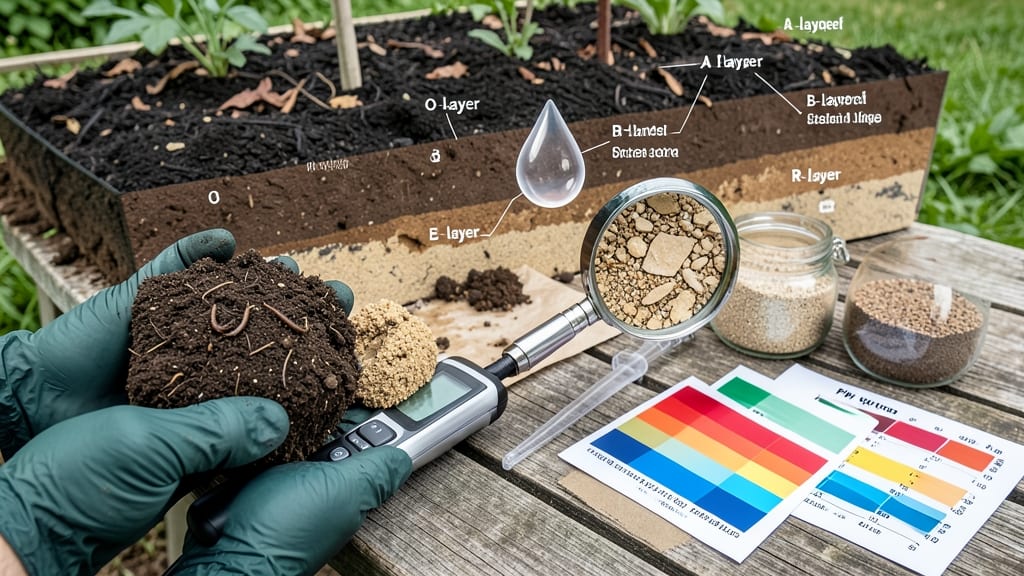
Mastering soil science for gardeners means focusing on three core elements: soil texture, nutrient balance, and microbial health, which together create the ideal growing medium for strong roots, proper water absorption, and nutrient uptake that leads to lush, productive plants.
Soil isn't just dirt—it's a living ecosystem where texture (the mix of sand, silt, and clay) determines drainage and aeration, while organic matter fuels plant growth. 🌱 For example, sandy soil drains fast but lacks nutrients, while clay holds moisture but can suffocate roots.
The magic happens when you balance these components, often by adding compost or adjusting pH levels to unlock nutrients plants need. I've seen firsthand how amending heavy clay with organic material transforms it into fertile ground within a season.
Don't overlook the microscopic players either—the billions of bacteria and fungi in healthy soil break down organic material, making nutrients available to your plants.
Testing your soil's pH (aim for 6.0-7.0 for most vegetables) and nutrient levels with a simple DIY kit can reveal what your garden truly needs before you spend money on amendments. Seasonal maintenance, like adding fresh compost in spring and mulching to retain moisture, keeps your soil thriving year-round.
💡 In This Article
- How Soil Composition Affects Plant Growth
- Testing and Improving Garden Soil for Better Yields
How soil composition affects plant growth
Soil composition acts like a recipe where the proportions of sand, silt, and clay determine how well your plants can breathe, drink, and feed.
Sand particles (0.05-2mm) create air pockets for roots to access oxygen, while clay (<0.002mm) holds onto nutrients and moisture—but too much clay forms dense clumps that suffocate roots. The ideal mix, called loam, typically contains 40% sand, 40% silt, and 20% clay, striking a balance between drainage and nutrient retention.
For example, tomatoes thrive in well-draining loam soil, while moisture-loving blueberries prefer acidic, peat-rich soils that retain water while preventing root rot.
The organic matter in soil—think decomposed leaves, compost, and plant residues—is where the real magic happens. This dark, crumbly material can hold up to three times its weight in water while providing a feast for soil microbes that break down nutrients into forms plants can absorb.
Without enough organic matter (typically 5% by volume), soil becomes compacted and nutrient-poor. I've seen gardens transform when adding a 2-3 inch layer of compost annually—it improves moisture retention by 30-50% while boosting microbial activity that unlocks phosphorus and nitrogen for plants.
pH levels act like a gatekeeper for nutrient availability, with most vegetables preferring a slightly acidic to neutral range of 6.0-7.0. At lower pH (<5.5), essential nutrients like phosphorus and calcium become locked away, while alkaline soils (>7.5) make iron and manganese scarce.
For instance, blueberries need acidic soil (pH <5.5) to access aluminum, which they require for healthy growth—this is why gardeners often mix in sulfur or pine needles.
A simple DIY pH test using red cabbage juice (which changes color based on acidity) can reveal if your soil needs lime (to raise pH) or sulfur (to lower it).
Drainage isn't just about water flowing away—it's about how quickly or slowly soil releases moisture to roots. Sandy soils drain in minutes, often flushing nutrients away, while clay soils can take days to dry out, risking anaerobic conditions that stunt root growth. The solution?
Amend sandy soil with 2-3 inches of compost or peat moss to improve water-holding capacity, or add coarse sand and organic matter to break up clay. I've noticed that adding perlite or vermiculite (up to 20% by volume) to heavy soils can improve aeration without altering nutrient levels.
Microbial activity—those tiny bacteria and fungi working underground—directly impacts how well your plants grow. A teaspoon of healthy garden soil can contain up to 1 billion bacteria, breaking down organic matter into plant-available nutrients like nitrate (from nitrogen) and phosphate.
Without this microbial network, plants struggle even if nutrients are present, because they can't access them. For example, mycorrhizal fungi form symbiotic relationships with roots, extending their reach by up to 100 times to gather water and nutrients.
This is why adding compost or mulch (which feeds these microbes) leads to stronger, more resilient plants.
Consider these key factors when assessing your soil's composition:
- Texture test: Grab a handful of moist soil and squeeze—if it crumbles easily, it's sandy; if it forms a ribbon >1 inch, it's clay-heavy; loam will hold shape briefly but break apart.
- Moisture retention: Sandy soil feels gritty and drains quickly, while clay feels sticky and stays wet. Aim for soil that holds moisture but doesn't feel soggy.
- Root health: Healthy roots should be white or light tan with fine hairs. Brown, mushy roots signal poor drainage or disease.
Understanding your soil's composition lets you make targeted improvements—whether that's adding organic matter to sandy soil or improving drainage in clay. The goal is creating a living ecosystem where roots can thrive, microbes flourish, and nutrients become accessible when plants need them most. 🌱