
Planting
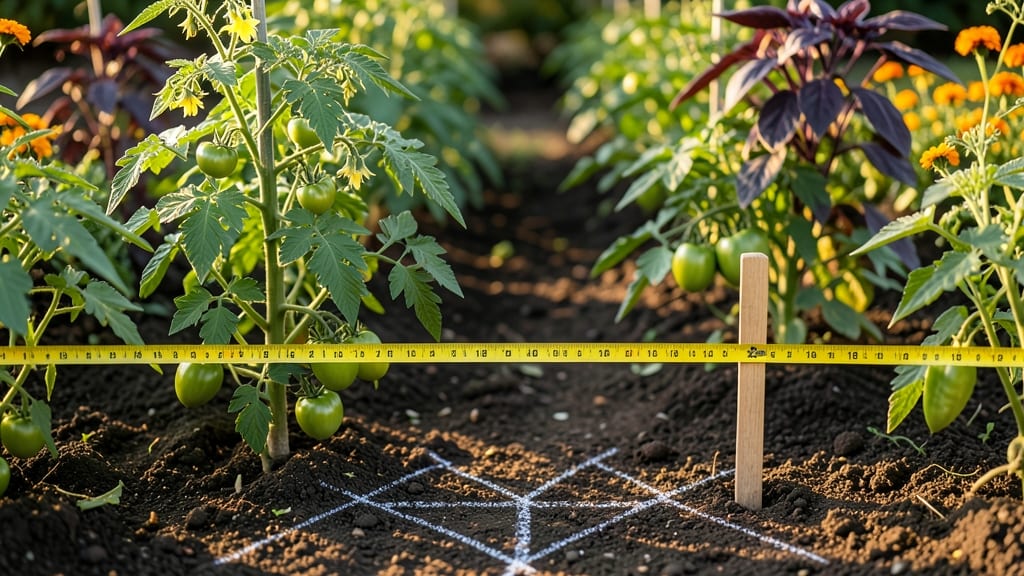
Spacing for garden plants depends on mature size, sunlight needs, and growth habits—typically 12 to 36 inches apart for herbs, 18 to 48 inches for vegetables, and 6 to 10 feet for trees or shrubs. Always check seed packets or plant tags for exact spacing guidelines to prevent overcrowding and ensure healthy growth.
This isn't just about aesthetics—proper spacing directly impacts how well your plants thrive. 🌱 When roots compete for nutrients, growth slows and plants become more vulnerable to disease. I've seen firsthand how crowded tomato plants produce smaller fruit and struggle with airflow, while properly spaced basil thrives with vibrant leaves.
The key is matching spacing to each plant's mature width, not just its current size.
For example, leafy greens like lettuce can handle 6-12 inches of space, while sprawling plants like zucchini need 3-4 feet to prevent mildew. Even perennials benefit from wider spacing—they'll live longer and produce better next year. Always consider your garden's layout and how plants will interact as they grow.
💡 In This Article
- How Plant Spacing Affects Growth and Yield
- Spacing Guidelines by Plant Type: Vegetables, Herbs, and Trees
How plant spacing affects growth and yield
Plant spacing isn't just about fitting more into your garden—it's a biological necessity that directly impacts how efficiently your plants absorb nutrients. When roots grow too close, they compete for water and minerals in the soil, leading to stunted growth and weaker stems.
For instance, tomato plants spaced too tightly may produce fewer fruits because their energy goes toward competing for resources rather than flowering. The science behind this involves root zone expansion: most plants need a 12-18 inch radius of undisturbed soil to develop strong root systems.
Airflow plays an equally critical role in plant health. Crowded plants trap moisture between leaves, creating the perfect environment for fungal diseases like powdery mildew or blight.
I've noticed this firsthand with my basil plants—when spaced too closely, they develop white fungal spots within weeks, while properly spaced plants stay vibrant and disease-free. Proper spacing also allows sunlight to penetrate the canopy evenly, ensuring all leaves get the 4-6 hours of direct light they need for photosynthesis.
Without this, lower leaves turn yellow and die, reducing overall yield.
Water retention is another key factor. Plants with adequate spacing have deeper root systems that access moisture from lower soil layers, making them more drought-resistant. For example, carrots need 2-3 inches of space to grow straight and plump, while crowded carrots become stunted and forked from competing for water.
Even container gardens follow this rule—herbs like thyme or rosemary need 8-12 inches between plants to prevent root-bound stress and ensure healthy growth.
There's also a psychological aspect to spacing: plants that aren't crowded produce more flowers and fruits because they're not stressed. Take squash plants—when given 3-4 feet of space, they develop larger vines and produce more zucchini than when crammed together.
The same principle applies to trees: apple trees need 15-20 feet of space to develop strong branches and bear fruit properly, while crowded trees produce smaller, lower-quality fruit.
One common mistake is spacing plants based on their current size rather than their mature dimensions. Seed packets often provide spacing guidelines for a reason—they account for how wide the plant will grow at maturity.
For example, a basil plant might start small but spread 18-24 inches wide, so planting them 12 inches apart ensures they don't shade each other out. This foresight prevents future headaches of overcrowding and poor yields.
For container gardening, the same principles apply but with adjusted measurements. Herbs like parsley or cilantro can thrive in 6-inch pots with 3-4 inches of spacing, while larger plants like peppers need 12-inch pots with 8-10 inches between plants.
The key is matching the container size to the plant's root zone requirements, ensuring they have enough space to grow without becoming root-bound.