
Tools
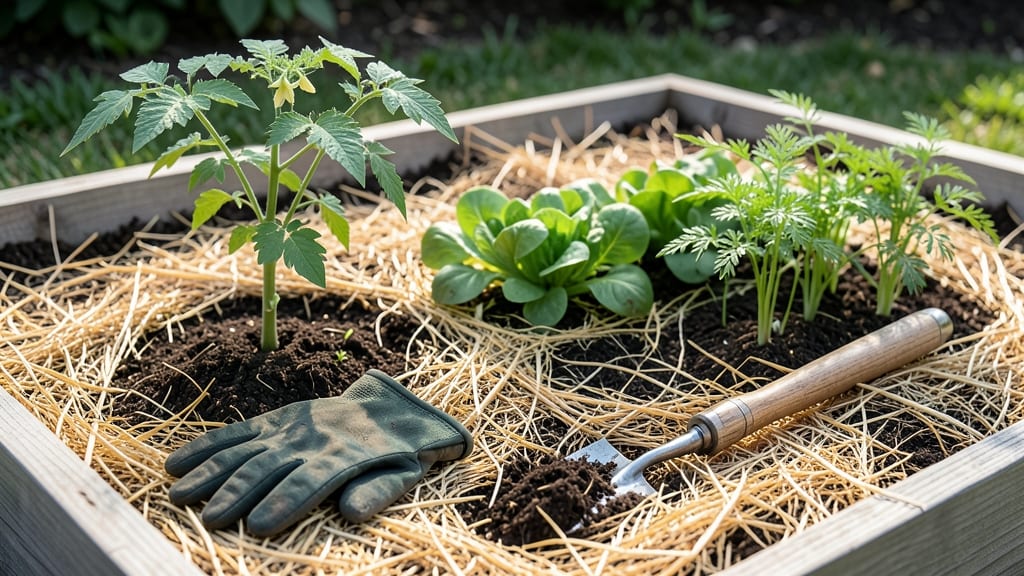
Using straw in a garden acts as a natural mulch that locks in moisture, blocks weeds, and gradually enriches the soil as it breaks down, while shielding roots from temperature swings and erosion. Always choose seed-free straw to prevent unwanted plant growth.
Straw works like a protective blanket for your garden beds. 🌱 The loose fibers trap moisture near roots while allowing excess water to drain, which is especially helpful during dry spells. Unlike synthetic mulches, straw also breaks down over time, adding organic matter that improves soil structure.
I’ve noticed the biggest difference in my vegetable patches—straw keeps the soil cooler in summer and warmer in winter, giving plants a stable environment to thrive.
For best results, spread a 2–4 inch layer after planting but before seeds germinate, and refresh it every few months as it decomposes. Avoid piling straw directly against stems, as this can cause rot.
If you’re short on straw, alternatives like shredded leaves or grass clippings (if pesticide-free) work too, though they may break down faster.
💡 In This Article
- How Straw Mulch Improves Soil and Plant Growth
- Best Practices for Applying Straw Mulch in Gardens
How straw mulch improves soil and plant growth
Straw mulch works by creating a physical barrier that reduces water evaporation from the soil surface. The loose, fibrous structure traps moisture near the roots while allowing excess water to drain—this is called hydraulic conductivity regulation.
Studies show straw can retain up to 30% more soil moisture compared to bare soil during dry periods, which is critical for drought-prone gardens. The straw's porous nature also allows oxygen and water to reach plant roots, preventing suffocation that can occur with dense mulches like plastic.
The decomposition process transforms straw into a nutrient powerhouse. As straw breaks down, it releases carbon-rich organic matter that feeds beneficial soil microbes, which in turn break down further into humus—a dark, spongy substance that improves soil structure.
Unlike wood chips (which decompose slowly), straw decomposes within 3-6 months, releasing nutrients like nitrogen, phosphorus, and potassium directly to plant roots. This microbial activity also creates a symbiotic relationship where plants receive nutrients while microbes get shelter and food.
Weed suppression happens through a combination of light blocking and physical obstruction. Straw smothers weed seeds by preventing sunlight from reaching them—most seeds need light to germinate. A 3-inch layer can block 90% of light, effectively stopping weed growth without chemicals.
The straw's coarse texture also makes it difficult for weeds to establish roots, unlike finer mulches like grass clippings that can compact and allow weeds to push through.
Temperature regulation is where straw truly shines. In summer, its light color reflects sunlight, keeping soil temperatures 10-15°F cooler than exposed soil. In winter, the insulating layer traps heat radiating from the earth, preventing frost penetration.
This thermal protection is especially valuable for tender plants like tomatoes or peppers, which can suffer from temperature fluctuations. Unlike synthetic mulches that trap heat, straw provides a natural, breathable barrier that mimics the soil's natural temperature regulation.
When comparing straw to other mulches, consider these key differences: Wood chips provide long-term mulching but decompose slowly, while straw offers immediate benefits but needs replenishing. Leaves can mat and suffocate plants, whereas straw remains loose and aerated.
The pH-neutral nature of straw also makes it ideal for acid-sensitive plants like blueberries, unlike pine straw which can acidify soil over time.
One often-overlooked benefit is erosion control. Straw's fibrous structure binds soil particles together, reducing wind and water erosion by up to 70%. This is particularly useful on slopes or in windy areas where topsoil loss is a concern.
The straw's ability to stabilize soil makes it a favorite among organic gardeners focused on long-term soil health.