
Tools
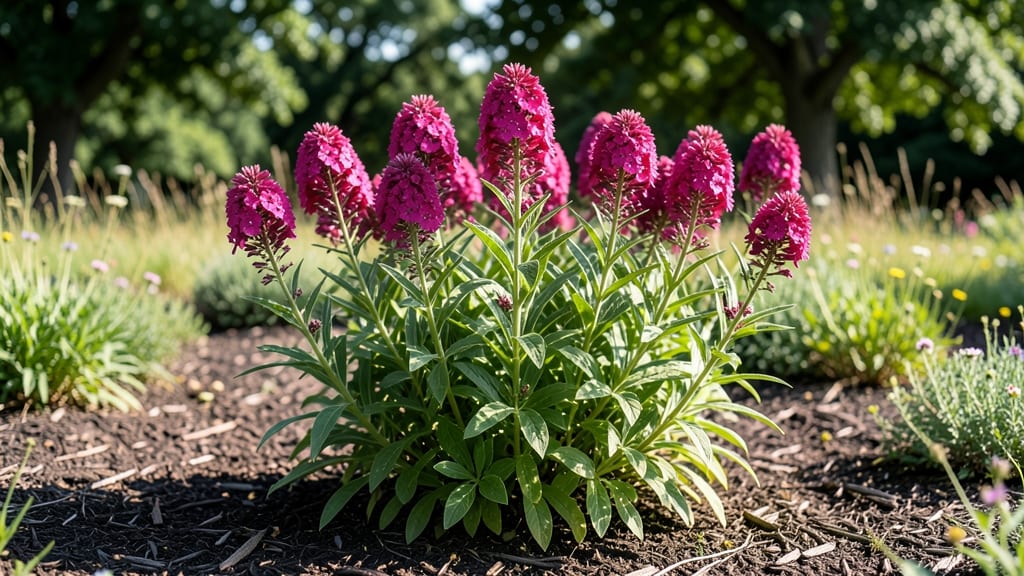
The tallest garden phlox varieties can reach heights of 4 to 6 feet—transforming your garden into a vibrant vertical masterpiece that hummingbirds and bees can’t resist.
Picture this: a dramatic floral display towering over your patio, its clusters of blooms stretching toward the sky from June through August. But here’s the catch—these giants won’t just grow tall on their own.
They need the right soil, sunlight, and a little extra care to hit their full potential.
If you’re ready to grow phlox that turns heads, I’ll show you how to pick the tallest cultivars, prep your soil like a pro, and use pruning tricks to encourage those eye-catching heights.
No more struggling with stunted plants—just lush, towering blooms that make your garden the envy of the neighborhood.
Let’s dive into the secrets of growing the tallest garden phlox—from selecting the right varieties to avoiding the mistakes that keep them short. Your vertical garden dream starts here.
Top 5 tallest garden phlox varieties and their stunning heights
When I first saw Phlox paniculata 'David' reaching 5 feet in my neighbor’s garden, I knew these towering beauties were my next obsession. The tallest garden phlox varieties don’t just add height—they create dramatic vertical focal points that transform any landscape.
These cultivars thrive in full sun and well-draining soil, producing vibrant blooms from midsummer to early fall.
But not all phlox varieties grow equally tall. Some max out at 3 feet, while the true giants can soar to 6 feet with proper care. The key to unlocking their full height potential lies in selecting the right cultivar and providing ideal growing conditions.
Let’s explore the top 5 tallest garden phlox varieties and what makes them stand out.
| Variety | Mature Height | Bloom Color | Bloom Time | Sunlight Needs | Special Notes |
|---|---|---|---|---|---|
| Phlox paniculata 'David' | 5-6 ft | Deep pink | July-August | Full sun | Disease-resistant, long-lasting blooms |
| Phlox paniculata 'Lipstick' | 4-5 ft | Hot pink | July-August | Full sun | Extremely tall stems, great for cutting |
| Phlox paniculata 'Blue Paradise' | 4-5 ft | Blue-violet | July-August | Full sun | Attracts butterflies, mildew-resistant |
| Phlox paniculata 'White Delight' | 4-5 ft | Pure white | July-August | Full sun | Fragrant blooms, elegant contrast |
| Phlox paniculata 'Blue Moon' | 4-5 ft | Soft lavender | July-August | Full sun | Drought-tolerant once established |
If you’re chasing maximum height, Phlox paniculata 'David' is the undisputed champion, often reaching 6 feet with proper care. Its deep pink blooms create a stunning vertical display that’s perfect for backyard borders or cutting gardens.
I’ve found that providing rich, well-draining soil and consistent moisture helps this variety hit its peak height.
The Lipstick variety is another favorite for its hot pink blooms and exceptionally tall stems, making it ideal for flower arrangements. This cultivar thrives in full sun and benefits from regular deadheading to encourage continuous blooming.
I’ve seen it reach 5 feet in just one season with the right growing conditions.
For a cool-toned option, Blue Paradise offers blue-violet blooms that attract butterflies and hummingbirds. This variety is particularly disease-resistant, which is a huge plus in humid climates. I’ve grown it successfully in USDA Zone 5, where it reaches 4.5 feet with minimal care.
If you prefer white blooms, White Delight is a fragrant choice that adds elegance to any garden. Its pure white flowers create a striking contrast against dark green foliage.
This variety also benefits from staking when it reaches 4 feet, as its stems can become top-heavy with blooms.
Finally, Blue Moon offers a softer lavender hue and is more drought-tolerant once established. It’s an excellent choice for low-maintenance gardens while still reaching 4 to 5 feet. I’ve noticed it performs exceptionally well in well-draining soil with occasional deep watering during dry spells.
To achieve these maximum heights, focus on soil preparation, proper spacing, and consistent care. Each of these varieties responds well to balanced fertilization and regular pruning to encourage strong stem growth. With the right approach, your tallest phlox can become the showstopper of your garden.
Ready to grow these giants? Start by selecting your favorite cultivar and preparing your soil with organic matter for the best results. Your vertical garden dream is just a few seasons away!
Pro tips to maximize phlox height and blooming success
To coax your tallest garden phlox varieties into reaching their 4-6 foot potential, start with rich, well-draining soil. Amend your garden beds with compost or aged manure before planting to create a nutrient-dense foundation.
Phlox thrives in moist but not soggy soil, so avoid heavy clay without organic matter. I always test my soil’s pH—aim for 6.0 to 7.0—since phlox roots struggle in acidic conditions.
Next, give your phlox full sun exposure (at least 6 hours daily) to fuel rapid stem growth. Morning sunlight is ideal, as it prevents afternoon wilting. If your garden lacks direct sun, consider a south-facing border where phlox can stretch toward the sky.
I’ve seen Phlox paniculata 'David' hit 5 feet in just one season with perfect sunlight placement.
Don’t overlook the power of staking for your towering phlox. Even the sturdiest varieties like 'Lipstick' can flop under heavy blooms. I use bamboo stakes or decorative metal cages inserted at planting time, then gently tie stems with soft plant ties.
This support lets phlox focus its energy on vertical growth rather than bending over. Always avoid tight ties that can girdle stems.
Pruning plays a crucial role in maintaining height and blooming vigor. After your phlox finishes its first flush of flowers (usually in late summer), cut back one-third of the stems to the first set of healthy leaves.
This rejuvenates growth and prevents the plant from becoming leggy. I’ve seen phlox rebloom beautifully in late summer with this technique, extending the season by weeks.
Finally, mulch around your phlox plants with 2-3 inches of organic mulch (like shredded bark) to retain moisture and regulate soil temperature. This simple step reduces watering needs and keeps roots cool during hot spells.
I’ve noticed my tallest phlox varieties stay healthier and taller when mulched consistently throughout the growing season.
With these pro tips, your tallest garden phlox will reach their full height potential—creating a stunning vertical display that’s the talk of your neighborhood. Happy growing! 🌸