
Tools
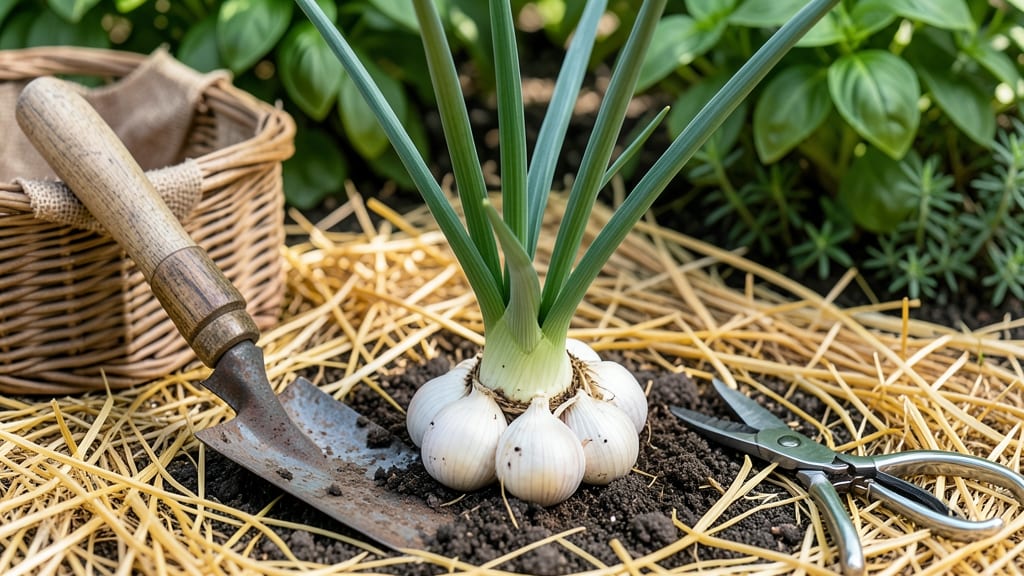
The Clove Garden Menu offers seasonal dishes made entirely from homegrown produce, herbs, and edible flowers, combining farm-fresh flavors with eco-conscious gardening practices for an authentic, ever-changing dining experience.
The Clove Garden Menu isn't just about food—it's a celebration of nature's calendar. 🌿 Each dish reflects what's thriving in the garden at that moment, like summer's heirloom tomatoes paired with fresh basil or winter's hardy kale with rosemary-infused olive oil.
This approach ensures every bite carries peak freshness and seasonal depth, while also reducing waste by using what's harvested. The real magic happens when you see how simple ingredients—like microgreens or edible nasturtiums—transform into restaurant-worthy plates.
💡 In This Article
- Seasonal Ingredients Behind Clove Garden Dishes
- Designing a Home Garden for Menu-Inspired Harvests
Seasonal ingredients behind clove garden dishes
The Clove Garden Menu thrives on nature's rhythm, where each season dictates what grows best in their organic garden. In spring, delicate microgreens like pea shoots and amaranth flourish within 10-14 days of planting, offering peppery crunch perfect for salads or garnishes.
Summer brings the star ingredient: heirloom tomatoes, particularly the Brandywine variety, which develops complex sweetness when grown in full sun and harvested at 70-75°F daytime temperatures. 🌱 These tomatoes become the base for fresh sauces or caprese salads with garden-grown basil that reaches peak flavor when leaves are harvested before flowering.
Herbs play a crucial role in seasonal transitions. Rosemary and thyme, hardy perennials, provide year-round greenery but peak in late summer when their essential oils are most concentrated. The gardeners harvest sprigs just before they flower for the strongest flavor—what chefs call "the window of perfection."
In autumn, kale and Swiss chard take center stage, their leaves becoming sweeter after frost exposure due to natural sugar conversion. Winter brings edible flowers like calendula and nasturtiums, which tolerate cooler temperatures and add vibrant colors to dishes like infused honey> or herb butter blends.
This seasonal approach isn't just about availability—it's about flavor chemistry. For example, tomatoes grown in summer heat develop 2-3 times more lycopene than those grown in cooler conditions, giving them their signature sweetness.
The garden's soil, enriched with compost from kitchen scraps, maintains optimal pH levels (around 6.5-7.0) that enhance nutrient uptake in plants.
This results in produce with higher concentrations of natural sugars and antioxidants compared to store-bought alternatives. 💛 The menu's success hinges on this perfect marriage between horticulture and culinary science.
What makes this system unique is how the garden's layout mirrors the menu's needs. Perennial herbs like oregano and sage are planted near the kitchen entrance for easy access, while annual vegetables rotate based on seasonal demand.
The gardeners use a successive planting technique, where crops like lettuce are sown every 2-3 weeks to ensure continuous harvests. This method prevents glut and waste, aligning perfectly with the restaurant's zero-waste philosophy.
Consider how these seasonal ingredients transform into signature dishes: summer's basil becomes pesto with garden-grown pine nuts, while winter's kale gets massaged with lemon and olive oil infused with rosemary. The key is understanding each ingredient's peak season and how to preserve its qualities through simple preparation techniques.
For instance, harvesting herbs in the morning (when essential oils are most concentrated) ensures maximum flavor in every dish. 🌿
This seasonal harmony creates a dining experience that changes with every visit. Patrons notice how summer dishes feel lighter with fresh herbs and vegetables, while winter plates offer heartier flavors with root vegetables and preserved greens.
The menu becomes a living calendar of what's freshest at any given time, making each meal a celebration of the garden's current bounty. 💫