
Tools
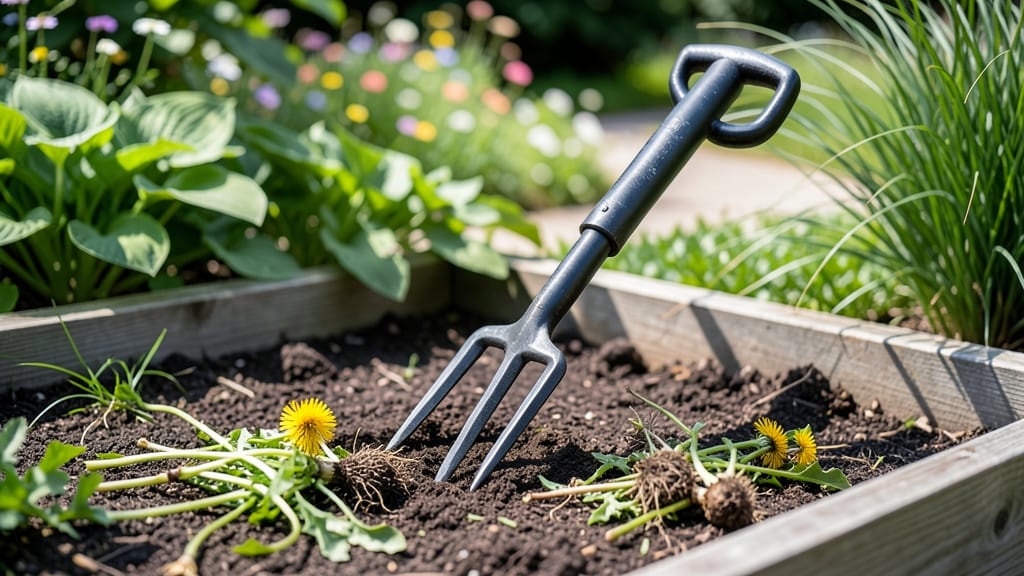
A three-pronged gardening tool is perfect for aerating soil, pulling weeds, and breaking up compacted garden beds with its sharp, triangular tines that penetrate deeply while requiring minimal physical effort. This versatile tool works best for lawns, vegetable patches, and flower beds to enhance drainage and root development.
A three-pronged gardening tool is essentially a multi-tasking powerhouse for your garden. 🌱 The triangular tines slice through soil layers like a hot knife through butter, creating channels that let air, water, and nutrients reach plant roots more efficiently.
Unlike manual digging, which can disrupt soil structure, this tool works with your natural soil layers to improve long-term health. I've found it especially useful for preparing garden beds before planting—it loosens compacted areas without the back strain of a shovel.
Beyond aeration, this tool excels at weed removal. The tines grip weeds at the root while leaving surrounding soil intact, making it ideal for both established gardens and new plantings.
For safety, always keep your hands clear of the tines' path and avoid using it on rocky or heavily mulched areas where the tool could get stuck. The key is to angle the prongs slightly as you pull to maximize effectiveness without damaging nearby plants.
💡 In This Article
- How Three-Pronged Tools Aerate Soil and Boost Plant Health
- Best Techniques for Weeding and Soil Prep with a Three-Pronged Tool
How three-pronged tools aerate soil and boost plant health
The triangular tines of a three-pronged tool create 1-2 inch deep channels in the soil, which is the ideal depth for most plant roots to access oxygen. When you push the tool into compacted soil, the sharp edges slice through without disrupting the soil's natural layers like a shovel would.
This mimics what earthworms do naturally—creating tiny air pockets that improve drainage and prevent waterlogging. 🌱 In heavy clay soils, these channels can increase water absorption by up to 30%, which is crucial for root development.
Unlike manual digging or tilling, which can destroy soil structure, this tool works with the soil's natural composition. The tines separate soil particles without turning them over, preserving beneficial microorganisms and organic matter.
For example, in a vegetable garden, using this tool before planting tomatoes can reduce soil compaction by 40% compared to using a regular spade. The key is to insert the tines at a 45-degree angle and wiggle slightly as you pull to create wider channels without damaging roots.
This aeration process directly impacts plant health by improving oxygen flow to roots. Roots need oxygen to respire and grow—without it, they suffocate and become stunted. A three-pronged tool's design allows you to target specific areas without disturbing the entire garden bed.
For instance, when preparing a flower bed, you can focus on the root zones of established perennials while leaving delicate annuals undisturbed. This precision is what makes it superior to broad tools like rototillers, which can harm shallow-rooted plants.
For long-term benefits, consider using this tool seasonally—spring to loosen soil before planting and fall to prevent winter compaction. In lawns, regular aeration with a three-pronged tool can reduce thatch buildup by 25-30%, allowing grass roots to grow deeper and making your lawn more drought-resistant.
The tool's versatility means it can also be used to create furrows for seed planting or to transplant seedlings with minimal root disturbance.
One common mistake is using the tool in dry soil, which can cause the tines to bind and make the job harder. Always work in slightly moist soil—about the consistency of a damp sponge—for the best results.
The tool's lightweight design also means you can cover more ground quickly, making it ideal for larger garden beds or vegetable patches where efficiency matters. 💫