
Tools
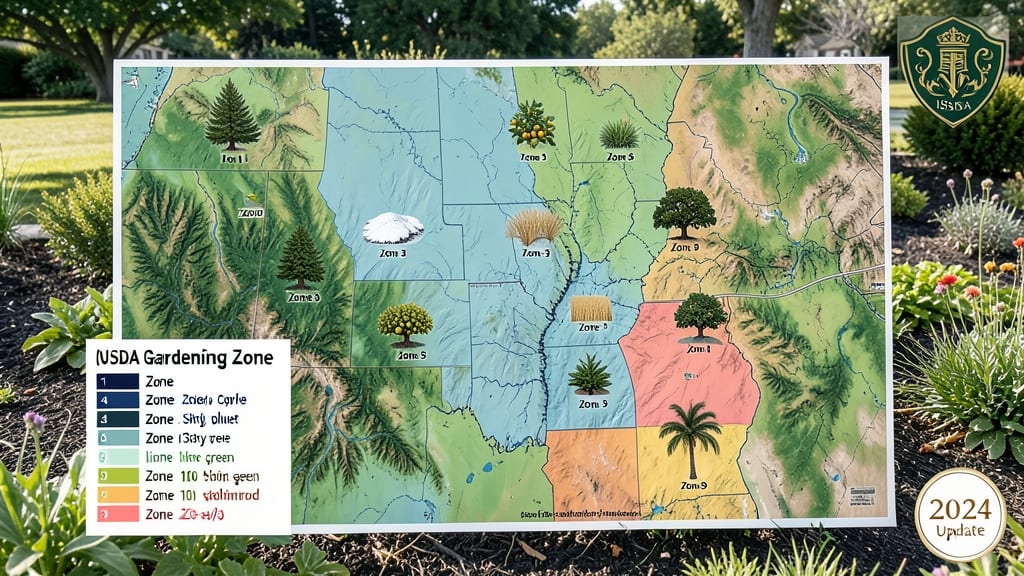
The USDA Gardening Zones 2024 update climate-based plant hardiness maps to reflect rising temperatures and localized microclimates, helping gardeners choose cold-hardy plants with greater precision than previous editions.
The 2024 USDA Plant Hardiness Zone Map reflects the latest climate data, including 30 years of temperature records and microclimate variations that affect frost timing. 🌡️ These adjustments mean some regions may now support plants previously considered too tender, while others face earlier frost risks.
For example, zones in the Southeast have shifted northward by up to half a zone due to warming trends. Gardeners should verify their exact zone using the interactive USDA map, as even small shifts can impact planting schedules and cold-sensitive varieties.
This update also clarifies that zone boundaries now account for urban heat islands and elevation changes, which can create pockets of warmer or cooler microclimates within the same general area. For instance, a backyard at 3,000 feet elevation might experience colder conditions than the surrounding neighborhood.
Always cross-reference plant tags with your specific zone—some labels still use the older 2012 map, leading to mismatches.
Pro tip: Use the USDA Zone Finder tool to pinpoint your exact zone, then adjust planting dates by 2-4 weeks if your zone has shifted. For example, Zone 7b gardeners in previously colder microclimates may now safely plant tender perennials like roses or lavender that struggled before.
💡 In This Article
- How USDA Zone Changes Impact Plant Selection
- Using 2024 USDA Zones to Plan Your Garden Layout
How USDA Zone changes impact plant selection
The 2024 USDA Plant Hardiness Zone Map incorporates 30 years of temperature data (1991-2020) instead of the previous 1981-2010 baseline, revealing measurable warming trends. For example, the average annual minimum temperature—used to define zones—has risen by 1.5-2.5°F in many regions since the 2012 map.
This shift means a Zone 6a area (average low of -10°F) might now experience -5°F winters, pushing it into Zone 6b territory. 🌡️ The science behind this involves climate models that account for both global warming and localized factors like urban heat islands, which can create 5-10°F warmer microclimates in cities compared to rural areas.
Zone boundaries now reflect frost timing with greater precision. The 2024 map adjusts last-spring and first-fall frost dates, which directly impact planting schedules. Gardeners in previously colder zones may now safely plant tender perennials like roses or lavender that once struggled with winter dieback.
Conversely, some northern areas face earlier frosts, shortening growing seasons. For instance, a Zone 5b garden (average low of -15°F) might now experience -10°F winters, allowing for hardier varieties of vegetables like kale or Brussels sprouts that previously required extra protection.
Microclimates play a critical role in these adjustments. Elevation changes of just 1,000 feet can shift zones by half a zone or more—a backyard at 5,000 feet might be Zone 5a, while the surrounding valley remains Zone 6b.
Urban areas with pavement and buildings can trap heat, creating pockets where Zone 7 plants thrive alongside Zone 6 neighbors. Always verify your exact zone using the interactive USDA map, as even small shifts can mean the difference between a thriving garden and failed plantings.
Plant viability is also affected by these changes. Some cold-hardy plants (like winter wheat or hardy shrubs) may now outperform in zones where they were previously marginal. Meanwhile, tropical or subtropical plants (such as citrus or bougainvillea) might extend their range northward.
However, gardeners must still consider soil conditions, sunlight exposure, and moisture levels—zone maps only account for temperature, not these other critical factors. For example, a Zone 8 plant might still struggle in a dry, windy microclimate even if the temperature range is suitable.
What most people don’t realize is how plant labels often lag behind the updated zones. Many nurseries still use the 2012 map, so a tag marked "Zone 7" might actually thrive in Zone 8 conditions today.
Always cross-reference with the 2024 USDA map and local gardening resources. For instance, hydrangeas labeled for Zone 5 may now survive in Zone 4 areas with proper winter mulching, thanks to milder winters.
To adapt, adjust your planting timeline by 1-2 weeks earlier in spring and 1-2 weeks later in fall if your zone has shifted upward. For example, tomato seeds in Zone 6b might now go in the ground 2 weeks before the old recommended date.
Monitor local weather patterns—some years may still bring unexpected cold snaps, so always have frost cloth or row covers on hand for sensitive plants.