
Tools
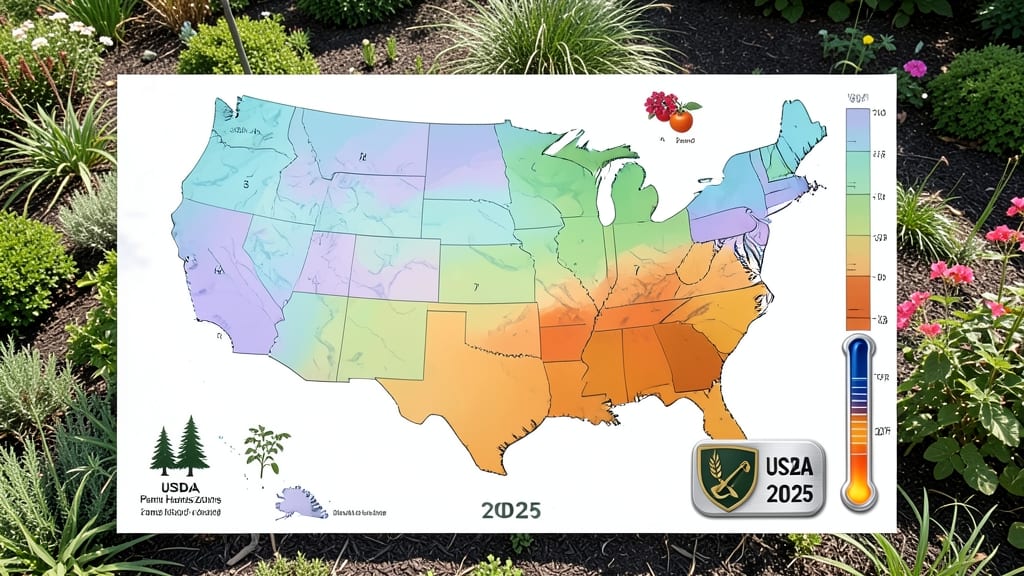
The USDA gardening zones 2025 reflect updated climate data, shifting boundaries to account for rising temperatures and regional microclimates, helping gardeners adjust planting schedules and select hardier plants for their area.
The 2025 USDA gardening zones update reflects 10+ years of climate research, including rising average temperatures and extreme heat trends. These adjustments mean your old zone map might now show you in a warmer category—like moving from Zone 6 to 7—affecting what plants thrive in your yard.
For example, areas in the Northeast may now support plants previously limited to southern zones. 🌱 The new map also accounts for microclimates, so your backyard might differ from official zone data.
Gardeners should use this update to reassess frost dates and plant hardiness zones, as warmer zones now allow for longer growing seasons. Many nurseries and online tools now integrate the 2025 zones, making it easier to find plants suited to your updated climate.
If you're unsure where you fall, the USDA's interactive zone finder is a great starting point.
💡 In This Article
- How USDA Zone Updates Impact Plant Selection
- 2025 USDA Zone Map: Key Adjustments by Region
How USDA zone updates impact plant selection
The 2025 USDA gardening zones reflect 15-20 years of climate data analysis, including rising average minimum temperatures and increased frequency of extreme heat events. Scientists measure these shifts using 30-year climate normals—a rolling average that updates every decade.
For example, a location that averaged 10°F in January might now average 12°F, pushing it into a warmer zone. This shift isn't uniform; some areas warm faster due to urban heat islands or coastal effects, while others remain stable. 🌡️
These adjustments directly impact frost dates, which determine when gardeners can plant cool-season crops. A zone shift from 6 to 7 might mean 1-2 weeks earlier last spring frost, extending the growing season by 20-30 days.
Warmer zones now support plants like peaches or figs that previously struggled in colder climates. The USDA uses hardiness zone maps based on the coldest winter temperatures plants can tolerate, so a shift means rethinking your garden's suitability for certain species.
Microclimates add another layer of complexity. Your backyard might be 2-5°F warmer than the official zone due to factors like south-facing walls, paved surfaces, or proximity to water. This is why gardeners should test their own microclimate by observing frost patterns or using minimum temperature sensors.
For instance, a Zone 7 area might have pockets where Zone 8 plants thrive, while others remain Zone 6. 🌿
Plant selection becomes more nuanced with these changes. Cold-hardy varieties like Russian olive trees or winterberry holly might now struggle in areas that shifted into Zone 8, while heat-loving plants like bougainvillea or olive trees become viable in formerly cooler zones.
Gardeners should also consider heat tolerance—some plants handle summer heat better than winter cold, so a Zone 7 shift might not always mean warmer winters.
Practical adjustments include choosing earlier-blooming varieties for cooler zones or heat-tolerant cultivars for warmer ones. For example, in a newly designated Zone 8 area, indeterminate tomato varieties might produce better than their determinate counterparts, which ripen all at once.
The key is balancing hardiness with seasonal suitability—a plant might survive winter but wilt in summer heat.
For gardeners transitioning plants, acclimation periods matter. Moving a Zone 6 shrub to a Zone 7 area requires gradual exposure to warmer conditions over 2-3 years to avoid shock. Similarly, introducing Zone 8 plants to a newly warm Zone 7 might require mulching or shade cloth during heatwaves. 🌱
The 2025 updates also highlight the need for diverse plant selections to future-proof gardens. Incorporating native species and drought-resistant plants ensures resilience against unpredictable weather. Tools like the USDA Plant Hardiness Zone Interactive Map and local cooperative extension services provide tailored advice for navigating these changes.