
Tools
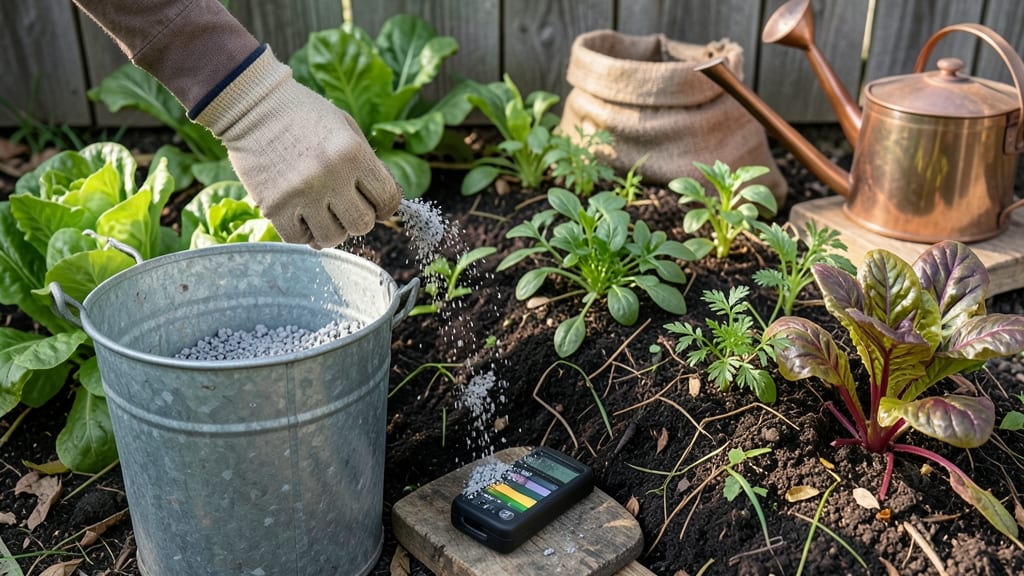
Using wood ashes in your garden raises soil alkalinity, naturally suppresses weeds, and adds potassium—but too much can disrupt nutrient balance or harm plants. Use 1-2 cups per 100 sq ft only on acidic soil or weed-heavy areas after testing pH.
Wood ashes work by releasing potassium and calcium while raising soil pH, which helps neutralize acidic conditions. 🌱 However, the salt content can also dry out soil and deter weeds—though this double-edged sword means you must monitor application rates carefully.
I’ve seen gardeners achieve great results with roses and blueberries (which thrive in slightly acidic soil), but sensitive plants like azaleas or hydrangeas may suffer if overused.
Always mix ashes into the top inch of soil rather than sprinkling them on top, and consider composting them first to reduce salt concentration.
For best results, test your soil’s pH before applying—aim for a gradual adjustment rather than drastic changes. A simple DIY test kit works, or send a sample to your local extension office for professional analysis.
If your soil is already neutral or alkaline, wood ashes could do more harm than good by locking out essential nutrients like iron or manganese. Always store ashes in a sealed container away from moisture, as they can become caustic when wet.
💡 In This Article
- How Wood Ashes Affect Soil Chemistry and Plant Growth
- Safe Application Methods and Common Mistakes to Avoid
How wood ashes affect soil chemistry and plant growth
Wood ashes primarily alter soil chemistry by introducing potassium (K), calcium (Ca), and magnesium (Mg) while raising the pH through their alkaline nature. When burned wood cools and breaks down, these minerals become soluble in water, releasing into the soil.
Potassium, for example, helps plants regulate water uptake and enzyme activity—critical for fruit production and disease resistance. A 1-cup application per 100 sq ft can add about 1-2% potassium by weight, comparable to a light fertilizer dose.
However, the real game-changer is the pH adjustment: ashes can raise soil pH by 0.5-1.5 points per application, which is especially useful for acid-loving plants like blueberries or azaleas struggling in overly acidic conditions.
The alkaline minerals also create a hostile environment for weeds by increasing soil salinity. Ashes contain 20-30% potassium carbonate, which dissolves into potassium ions (K⁺) and carbonate ions (CO₃²⁻). These ions disrupt weed seed germination by altering osmotic pressure in their roots, effectively "drying out" their growth zones.
You’ll notice fewer crabgrass sprouts and thinner weed mats in treated areas, but this effect fades after 6-8 weeks as the salts leach away. The trade-off? Overapplication can leave behind a crusty, salt-laden topsoil layer that repels water and smothers beneficial microbes.
Beyond major nutrients, wood ashes contribute trace elements like boron and phosphorus, though amounts vary widely based on the wood source. Hardwood ashes (oak, maple) typically contain 0.5-1% phosphorus, while softwoods (pine, spruce) may have less than 0.1%.
Boron, essential for cell wall strength, is present in measurable quantities but rarely in excess unless you’re using more than 3 cups per 100 sq ft.
The real risk lies in micronutrient lockout: high pH from ashes can make iron, manganese, and zinc less available to plants, leading to yellowing leaves (chlorosis) even if other nutrients are abundant.
Soil structure also takes a hit with improper use. Ashes are coarse and granular, which can disrupt the delicate balance of organic matter in clay-heavy soils. In sandy soils, they may improve drainage temporarily, but the long-term effect is often a loss of moisture retention.
Microbial activity—critical for breaking down organic matter—declines when soil pH exceeds 7.5, as many beneficial bacteria and fungi become less active. This is why gardeners often pair ash applications with compost: the organic matter buffers pH swings and provides a habitat for microbes to thrive despite the alkaline shift.
Consider this real-world example: A 100 sq ft blueberry patch with soil pH of 4.5 (too acidic) might need 1.5 cups of ash mixed into the top 2 inches to raise pH to 5.5—ideal for these plants.
However, if you double that amount, you risk creating a pH 6.5+ zone, where the blueberries develop nutrient deficiencies. The key is patience: spread applications over 2-3 seasons while monitoring pH with a simple test kit. 🌿
For those curious about the science, think of wood ashes as a slow-release alkaline fertilizer. The reaction starts when ashes contact moisture: potassium carbonate (K₂CO₃) hydrolyzes into potassium hydroxide (KOH), which then reacts with soil acids (like aluminum or hydrogen ions) to neutralize them.
This chemical process is why ashes feel gritty and why they’re most effective when worked into moist soil—dry applications just create dust that blows away. The takeaway? Ashes are a powerful tool, but they demand precision to avoid turning your garden into a high-pH wasteland.