
Tools
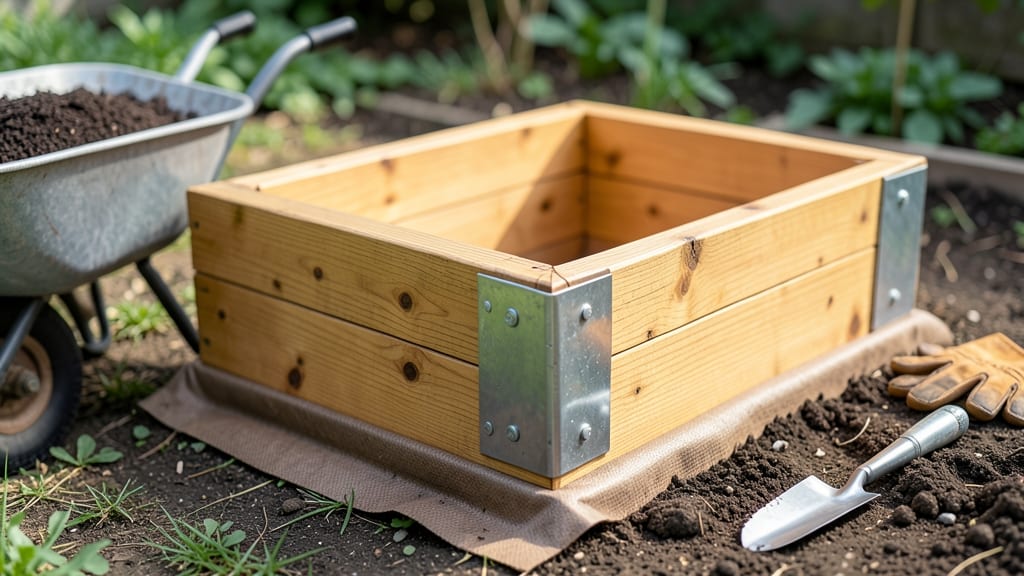
For treated wood in raised garden beds, choose lumber labeled ACQ or MCQ to protect plants from chemical leaching, and always line the bed with landscape fabric. Cedar or redwood offer natural rot resistance without toxic treatments.
When selecting lumber for raised garden beds, the chemical treatment matters just as much as the wood type itself. 🌱 Older pressure-treated wood often contains CCA (chromated copper arsenate), which can leach arsenic into the soil over time—dangerous for edible plants.
The safer ACQ (alkaline copper quaternary) and MCQ (micronized copper quat) treatments break down more slowly, giving your garden years of protection without harming roots. If you're building a new bed, pairing treated lumber with a plastic liner creates an extra barrier against any potential chemical migration.
For those who prefer untreated options, cedar and redwood naturally resist rot and insects, lasting 10-15 years with proper sealing.
These woods also contain natural oils that deter pests, making them ideal for organic gardens. 🌿 While they cost more upfront, their longevity and plant safety often make them the smarter long-term investment—especially if you plan to grow vegetables or herbs directly in the bed.
💡 In This Article
- Why Pressure-Treated Wood Choices Matter for Soil Health
- Best Wood Types for Long-Lasting Raised Garden Bed Frames
Why pressure-treated wood choices matter for soil health
The key difference between pressure-treated woods lies in their chemical formulations. CCA-treated lumber, common before 2004, contains arsenic and chromium compounds that can leach into soil over time—especially in acidic conditions. These chemicals accumulate in plant tissues, posing risks to both edible crops and beneficial soil microbes.
In contrast, ACQ and MCQ treatments use copper-based compounds that break down more predictably, reducing long-term contamination risks while still protecting against rot and insects. 🌱
Leaching occurs through moisture absorption: when treated wood sits in damp soil, water carries trace chemicals into the root zone. Studies show that CCA-treated wood can release arsenic at levels exceeding EPA safety thresholds after just 3-5 years, while ACQ/MCQ treatments maintain safer chemical stability for 10+ years.
The copper in modern treatments binds more tightly to wood fibers, minimizing migration. For edible gardens, this means choosing ACQ/MCQ-labeled lumber is critical—always check the stamp on the wood before purchasing.
Soil testing provides concrete evidence of contamination risks. A simple pH test (ideal range: 6.0-7.0) reveals acidic conditions that accelerate leaching. For deeper analysis, a lab test for heavy metals (arsenic, chromium) costs around $50-$100 but gives definitive answers about soil safety.
I've seen cases where gardeners unknowingly used CCA-treated wood for years before testing revealed elevated arsenic levels—something you can avoid by selecting modern treatments upfront.
Even with safe treatments, a landscape fabric barrier adds an extra layer of protection. Place a 30-mil thick non-woven fabric inside the bed before adding soil to block any potential chemical migration. This simple step creates a physical shield while still allowing water and air to reach plant roots.
For extra caution, line the bottom of the bed with HDPE plastic sheeting, though this requires drainage holes to prevent waterlogging.
Consider the long-term tradeoffs: while treated wood offers immediate durability, untreated options like cedar eliminate chemical risks entirely. The natural oils in cedar and redwood create a 1.5-2 inch thick protective barrier against moisture, reducing rot by up to 70% compared to pine.
This makes them ideal for organic gardens where chemical exposure must be avoided at all costs. The upfront cost difference ($5-$10 per board foot for cedar vs. $2-$4 for treated pine) pays off in peace of mind and plant health.
For those committed to treated wood, regular maintenance extends its safety. Seal the wood annually with a non-toxic, food-safe sealant (like linseed oil) to maintain its barrier properties. Avoid petroleum-based products that can introduce new chemicals.
With proper care, ACQ-treated lumber can remain safe for 15+ years, making it a practical middle ground between cost and safety. 💫