
Advice
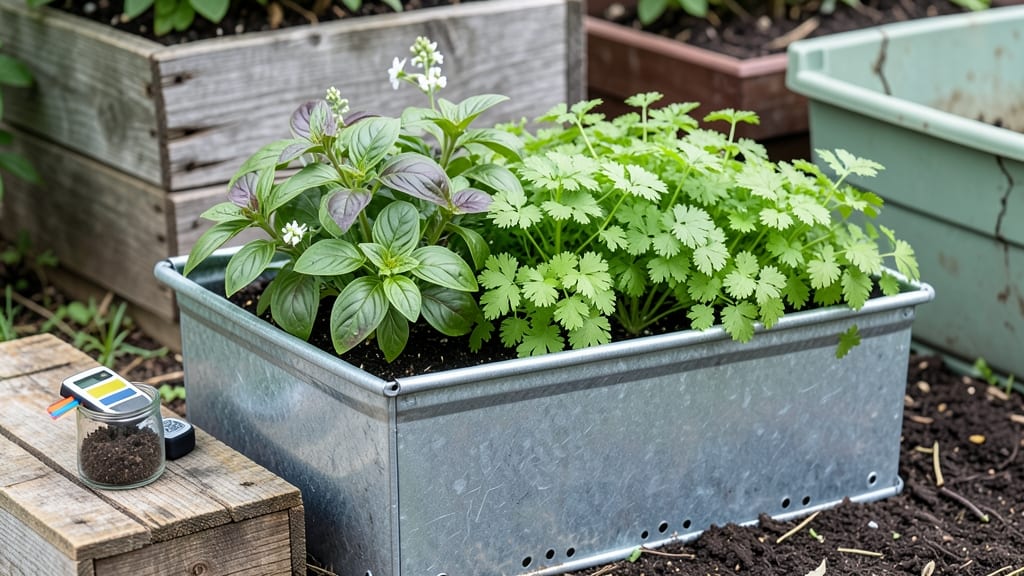
Metal garden beds can be safe for plants when made from food-grade materials like galvanized steel or stainless steel, but risks include potential leaching of zinc or copper, soil overheating, and root restriction if drainage is poor. Always use lined or coated beds and monitor soil pH levels.
Metal garden beds are safe when using non-reactive materials like stainless steel or properly coated galvanized steel, but the real concerns lie in long-term soil chemistry. 🌱 The zinc and copper in galvanized steel can leach over time, altering soil pH and potentially harming sensitive plants.
I've seen aluminum beds cause toxicity issues in acidic soils—always test your pH regularly. The biggest mistake I see is skipping proper lining, which can trap heat and restrict root growth, especially in hot climates.
For best results, use food-grade liners like heavy-duty landscape fabric or plastic sheets to create a barrier between metal and soil. This prevents chemical transfer while still allowing drainage. I recommend adding organic matter like compost to buffer any potential metal exposure and improve soil structure.
Some plants like herbs and leafy greens handle metal beds better than root vegetables, which need more stable growing conditions.
💡 In This Article
- How Metal Garden Bed Materials Affect Soil and Plant Health
- Safe Gardening Practices for Metal Raised Beds
How metal garden bed materials affect soil and plant health
The biggest concern with metal garden beds isn't the metal itself but what happens when it reacts with moisture and soil. Galvanized steel, for example, contains a zinc coating that can slowly dissolve over time—especially in acidic soils where pH levels drop below 6.0.
This zinc leaching doesn't just change soil chemistry; it can accumulate to toxic levels for plants like beans, tomatoes, and brassicas, which are particularly sensitive to heavy metals. 🌱 Studies show that even "safe" levels of zinc can inhibit root growth when concentrations exceed 50 ppm in soil.
Copper is another culprit in some metal treatments, particularly in older galvanized or copper-coated beds. While copper is essential in trace amounts (plants need 6-20 ppm for optimal growth), excess copper can become phytotoxic, causing leaf discoloration and stunted growth.
The problem worsens in alkaline soils (pH above 7.5) where copper becomes less available to plants but still accumulates in the soil. Aluminum beds pose a different risk—when soil pH drops below 5.0, aluminum ions become soluble and toxic, damaging root cells and reducing nutrient uptake.
Temperature effects are equally critical. Metal beds absorb and radiate heat far more efficiently than wood or stone. On a 90°F day, the soil temperature in an unlined metal bed can reach 120°F or higher, which is lethal for most plant roots.
This heat stress forces plants to divert energy toward cooling rather than growth, often resulting in wilting even when watered properly. The roots of shallow-rooted plants like lettuce or radishes are particularly vulnerable, while deeper-rooted crops like carrots or potatoes may struggle to establish properly in overheated conditions.
Not all metals are created equal—stainless steel is the safest option because it doesn't corrode or leach harmful substances. However, even stainless steel can develop hot spots where the metal conducts heat unevenly.
The key difference lies in the alloy composition: 304-grade stainless steel (18% chromium, 8% nickel) is more stable than 430-grade (17% chromium, no nickel), which can still release trace metals over decades.
For gardeners concerned about long-term safety, investing in food-grade stainless steel beds with a 0.018-inch thick wall is the gold standard.
Soil pH acts as both a protective barrier and a risk amplifier. In acidic soils, metal ions become more mobile and available for uptake by plants, while alkaline soils can precipitate some metals out of solution.
Regular pH testing (every 3-4 months) is essential—if your soil pH drifts below 6.0 or above 7.5, amend with lime (to raise pH) or sulfur (to lower pH) to maintain stability.
The goal is to keep pH in the 6.0-7.0 range where most garden plants thrive and metal leaching is minimized.
Visual clues can help identify potential issues early. Rust spots or white powdery residues on galvanized steel indicate active corrosion, while dark streaks in the soil suggest metal leaching. If you notice yellowing leaves with brown edges on plants like spinach or Swiss chard, it could signal zinc toxicity.
The good news? These problems are preventable with the right materials and maintenance—starting with a non-reactive liner and choosing metals designed for food safety.