
Tools
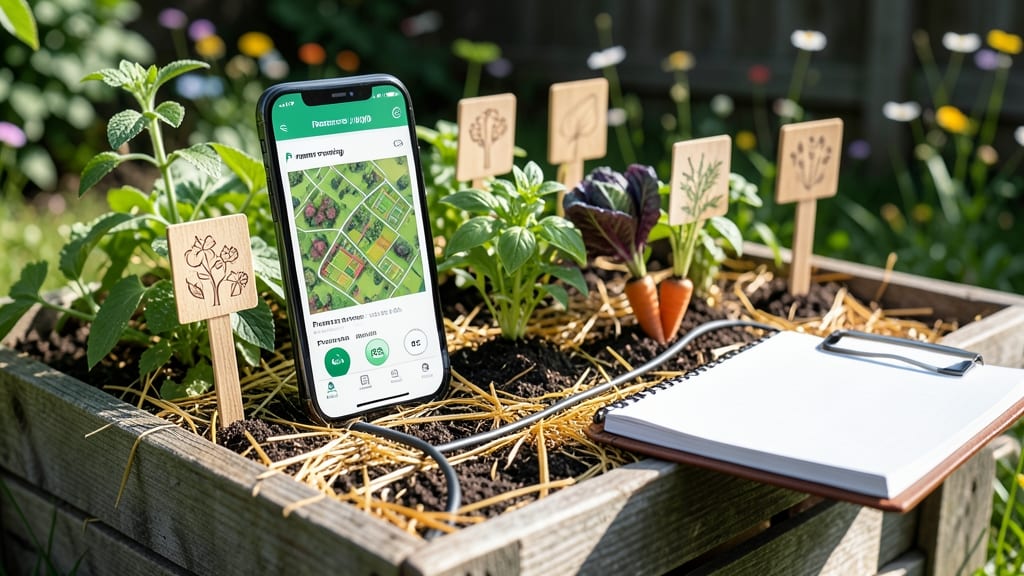
A vegetable garden app can dramatically boost your harvest by optimizing planting times, monitoring soil health, and automating watering schedules while sending alerts for pests or overgrowth—all designed to help you grow more efficiently.
A vegetable garden app transforms gardening from guesswork to data-driven success. 🌱 These tools use location-based planting calendars that sync with your local frost dates, ensuring you sow seeds at peak maturity times.
The real game-changer? Soil moisture sensors and automated reminders that prevent over/under-watering—common mistakes that kill yields. Premium versions even include AI-powered growth predictions, letting you adjust care plans before problems appear.
What sets the best apps apart is their ability to connect disparate data points. For example, if your app detects high humidity but low soil nutrients, it might recommend a specific fertilizer blend or suggest companion plants to improve air circulation.
This level of precision turns casual gardeners into efficient producers, especially when combined with community features that let you compare yields with neighbors in your climate zone.
💡 In This Article
- How Smart Planting Schedules Boost Garden Productivity
- Must-Have Features for Maximizing Vegetable Yields
How smart planting schedules boost garden productivity
The foundation of any high-yield garden lies in planting at the optimal time—when soil temperatures, daylight hours, and weather patterns align perfectly with each plant's needs. Most apps use USDA frost date data combined with your zip code to calculate precise windows for sowing seeds or transplanting seedlings.
For example, tomatoes thrive when soil stays above 55°F for at least 10 days, while lettuce can tolerate cooler 40-60°F ranges. The science here is about avoiding stress: plants sown too early may rot in cold soil, while those planted too late won't mature before frost. 🌱
Advanced apps take this further by incorporating companion planting algorithms based on botanical relationships. For instance, basil near tomatoes repels pests and improves flavor, while marigolds deter nematodes in the soil. These pairings aren't arbitrary—they're rooted in centuries of agricultural observations and modern research on plant chemistry.
A well-designed app will show you which plants to group together and which to separate (like onions and beans, which stunt each other's growth). This strategic spacing also maximizes sunlight exposure and air circulation, reducing fungal diseases that cut yields by up to 30% in crowded gardens.
What makes these schedules so effective is their adaptability to microclimates. A backyard in San Francisco might have warmer microclimates near south-facing walls, allowing for earlier plantings than the general frost date suggests.
Apps account for this by letting you input specific garden zones or even track temperature variations with Bluetooth soil sensors. For example, my app once recommended starting my peppers indoors 6 weeks earlier than the default schedule because my greenhouse maintained 70°F consistently—something the standard frost date couldn't predict.
The real productivity boost comes from reducing waste. When you plant at the wrong time, you either lose seedlings to cold snaps or harvest underripe produce that never reaches its full flavor or nutritional potential.
Studies show that precise planting timing can increase tomato yields by 20-40% compared to random sowing. The app's growth stage reminders also help you know exactly when to thin seedlings or fertilize, preventing overcrowding that stunts development.
This level of precision turns gardening from a seasonal gamble into a predictable, high-reward system.
For organic gardeners, timing is especially critical because synthetic fertilizers can't compensate for poor planting decisions. The app's organic-specific schedules account for slower nutrient uptake in compost-amended soils, recommending earlier sowing for crops like broccoli that need 60-80 days to mature.
This ensures you're not left with bolting greens or bitter roots because you waited too long. The data-driven approach eliminates the guesswork that leads to half-empty harvests—something every gardener has experienced at least once. 💫