Planting
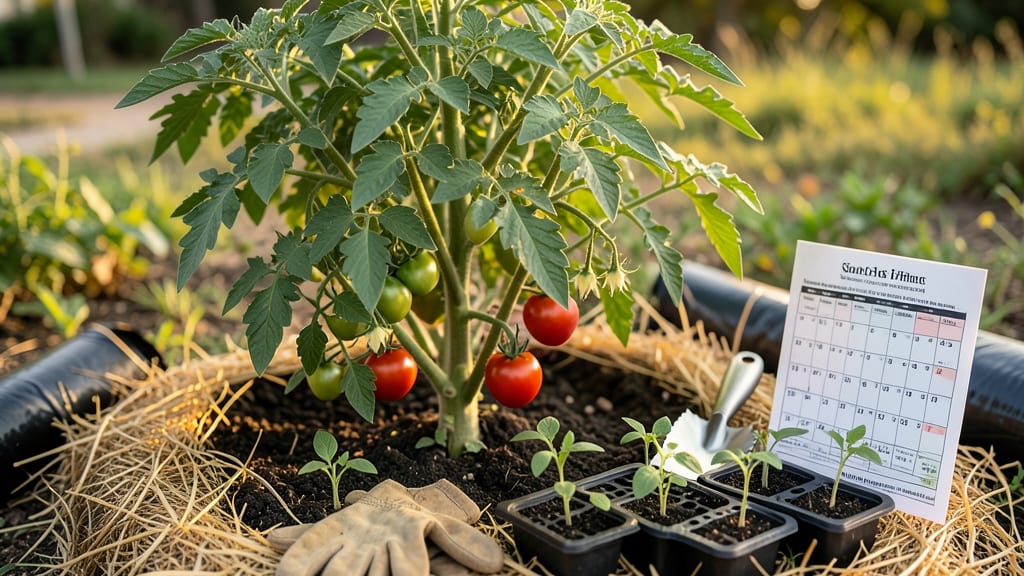
Planting a vegetable garden in Florida requires knowing exactly when to plant for each of the state’s 11 heat zones—because timing can make or break your harvest.
Florida’s year-round growing season is a gardener’s dream, but the wrong timing means struggling with bolting greens or stunted tomatoes. Whether you’re in the cooler North or the steamy South, the right window is everything.
In this guide, I’ll break down the best months for cool-season crops like broccoli and warm-season favorites such as peppers, plus how to adjust for microclimates, hurricanes, and humidity.
You’ll discover how to stretch your growing season with row covers, when to avoid planting during hurricane season, and the one trick that keeps your garden thriving all year.
Florida planting calendar by heat zone (North vs. central vs. South)
Florida’s 11 heat zones create microclimates where cool-season crops thrive in the north while warm-season veggies dominate the south. Unlike northern gardens, Florida’s frost-free dates vary dramatically—from January 15 in the panhandle to November 1 in the Keys.
This calendar helps you align planting with your specific zone’s temperature patterns and humidity levels.
Northern Florida (Zones 8a-9a) enjoys cooler winters and can grow broccoli and kale in fall, while southern Florida (Zones 10a-11) focuses on heat-loving tomatoes and okra year-round.
Central Florida (Zones 9b-10a) offers the best of both worlds with extended growing seasons. Let’s break it down by month and zone to maximize your harvest.
Key rule: Always check your last frost date (UF/IFAS Extension has zone-specific maps) and adjust for heatwaves or hurricane season disruptions. For example, spring-planted tomatoes in Zone 9b should go in March-April, but Zone 10a can plant year-round with shade protection.
| Zone | Cool-Season (Oct-Mar) | Warm-Season (Apr-Sep) | Key Tips |
|---|---|---|---|
| North (8a-9a) | Broccoli, Kale, Spinach Plant: Oct-Feb |
Tomatoes, Peppers, Okra Plant: Mar-Apr |
Use row covers for frost protection |
| Central (9b-10a) | Cabbage, Lettuce, Peas Plant: Sep-Mar |
Sweet Potatoes, Eggplant, Cucumbers Plant: May-Jun |
Succession plant every 2 weeks |
| South (10b-11) | Green Onions, Radishes Plant: Nov-Feb |
Peppers, Tomatoes, Malabar Spinach Plant: Year-Round |
Provide afternoon shade in summer |
For northern Florida gardeners, focus on cool-season crops like carrots and brussels sprouts from September to February. These areas can experience light frosts (even in Zone 9a), so protect tender plants with frost cloth or black plastic mulch.
My Zone 9a garden in Gainesville thrives with broccoli planted in October—harvested by March before the heat sets in.
Central Florida’s longer growing windows let you double-crop beds. After harvesting spring radishes in May, I replant with cucumbers or squash, which love the summer heat. The key is soil prep: add compost before planting to retain moisture during dry spells.
Avoid planting heat-sensitive greens like lettuce in July-August—they’ll bolt in 90°F+ temps.
Southern Florida’s tropical climate allows year-round planting, but hurricane season (June-Nov) demands flexibility. I schedule pepper transplants for February and August, avoiding the peak storm months.
For tomatoes, use dwarf varieties like ‘Sunmaster’ that handle high humidity better than standard types. Okra and sweet potatoes are my go-to summer crops—they thrive in heat and require minimal watering.
Regardless of zone, succession planting is your secret weapon. Instead of planting all bush beans at once, stagger them every 2 weeks from March to June in Zone 9b.
This ensures a continuous harvest and prevents overwhelming pests. Pair fast growers (radishes, lettuce) with slow growers (tomatoes, peppers) to optimize space.
Watch for heat stress signs like yellowing leaves or drooping plants—these often mean it’s time to provide shade cloth or increase watering frequency. In Zone 10a, I use 50% shade cloth over tomato cages during August’s 95°F+ afternoons. This simple trick boost
Best vegetables for Florida’s climate and when to plant them
Florida’s warm climate lets you grow vegetables year-round, but timing is key to avoid heat stress or bolting greens. Some crops, like tomatoes and peppers, thrive in summer’s heat, while broccoli and kale prefer cooler months.
The secret? Planting at the right time for your heat zone—whether you’re in chilly North Florida or balmy South Florida.
I’ve tested these 12 top-performing vegetables in Florida gardens, and they consistently deliver. Below, you’ll find my expert planting schedule, including cool-season and warm-season crops, plus tips to extend your harvest. For example, sweet potatoes love Florida’s heat, but spinach needs cooler temps to avoid bitterness.
Plant after last frost (March–May in North FL, February–April in Central/South FL)
- Tomatoes – March–June (avoid July heat)
- Peppers – February–May (direct sow)
- Okra – April–June (heat-loving)
- Sweet Potatoes – April–July (slips, not seeds)
Plant August–October for fall harvests or November–January for winter
- Broccoli – August–September (60–75 days to harvest)
- Kale – September–October (survives light frost)
- Carrots – September–November (loose soil key)
- Spinach – October–December (avoid summer heat)
Plant in spring or fall for continuous harvests
- Green Beans – March & August (succession plant)
- Cucumbers – March–April & September (trellis helps)
- Eggplant – March–May (needs warmth)
- Collard Greens – August–September (tolerates heat)
Use row covers in winter or shade cloth in summer
- Winter: Add floating row covers to protect greens from light frosts (rare in South FL)
- Summer: Use 30% shade cloth for leafy greens like lettuce
- Succession plant every 2–3 weeks for continuous harvests
For North Florida (zones 8–9), aim for cool-season crops in early spring and fall, while South Florida (zones 10–11) can grow warm-season veggies almost year-round. My biggest mistake? Planting spinach in July—it bolted within days! Instead, stick to heat-tolerant varieties like Malabar spinach for summer.
One trick I swear by? Mulching with straw or pine needles to retain moisture during Florida’s dry spells. This works especially well for squash and peppers, which need consistent water but hate soggy roots.
Pair that with drip irrigation, and you’ll avoid the heartbreak of blossom-end rot in tomatoes.
Don’t forget to rotate crops yearly to prevent soil-borne diseases. For example, plant tomatoes where beans grew last year—they’re not related, so pests won’t target them.
And if you’re in hurricane-prone areas, prioritize fast-growing crops like radishes (30 days!) or bush beans (50 days) for quick harvests before storms roll in.
Start with these 12 powerhouse vegetables, and you’ll have a bountiful garden no matter where you are in Florida. The key? Know your zone, time your plantings, and adapt as needed—your future self (and your