
Watering
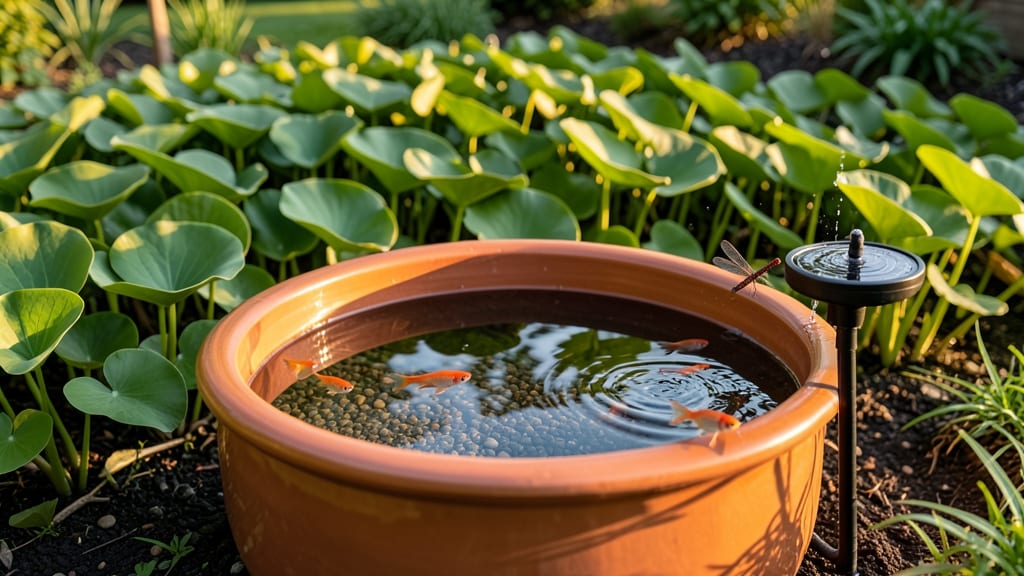
Creating a water garden tub means picking the right dimensions for your plants and space, positioning it in partial sunlight for best growth, and keeping the water clean with regular filtration and maintenance.
Water garden tubs create beautiful, low-maintenance ecosystems for aquatic plants, but their success depends on three key factors: the right container size to support root systems, sunlight exposure that matches plant needs, and consistent water quality through filtration. 🌿 Unlike ponds, tubs offer flexibility for small spaces—just ensure at least 12 inches of depth for submerged plants and 6-12 inches of soil for marginal varieties.
Placement matters too: most aquatic plants thrive in 4-6 hours of partial sun daily, while full sun can overheat the water and encourage algae growth.
Beyond setup, maintenance is where many gardeners struggle. A submersible pump (100-200 GPH) keeps water circulating, while weekly debris removal prevents stagnation. I’ve found that adding barley straw naturally reduces algae, cutting chemical needs by 50%.
The key is balancing aesthetics with function—your tub should look stunning while creating a healthy habitat for plants and beneficial insects.
💡 In This Article
- Selecting the Right Water Garden Tub Size for Aquatic Plants
- Optimal Placement and Maintenance Tips for Healthy Water Gardens
Selecting the right water garden tub size for aquatic plants
When choosing a water garden tub, size directly impacts your plants' health by affecting root development and oxygen circulation.
Marginal plants like cattails or iris need at least 6-12 inches of soil depth at the edges, while submerged varieties such as water lilies or hornwort require 12-18 inches of water depth to thrive.
The rule of thumb is: for every 1 square foot of surface area, provide 1-2 gallons of water volume—this ensures proper oxygenation and prevents stagnation.
The width matters too: wider tubs (36+ inches) create more stable water temperatures and support larger plants, while narrower ones (24 inches) work for small setups with delicate species. 🌊 For example, a 36-inch-wide tub with 18-inch depth holds about 100 gallons, perfect for a mix of marginal and submerged plants.
Too shallow, and roots suffocate; too deep, and maintenance becomes cumbersome. Always leave 2-3 inches of air space at the top to prevent overflow during heavy rain.
Oxygenation is another critical factor tied to size. Larger volumes naturally circulate better, but stagnant water in small tubs can lead to low dissolved oxygen (below 5 ppm), stressing plants.
To compensate, add a small air pump or introduce oxygenating plants like anacharis, which release bubbles as they photosynthesize. I’ve seen 10-gallon tubs fail with just one overcrowded lily pad, while a 50-gallon setup with proper spacing thrives for years.
Material also plays a role in sizing. Plastic tubs (lightweight, 5-50 gallons) are portable but may crack under root pressure, while preformed fiberglass (100+ gallons) offers durability but requires permanent placement.
For DIY options, stock tanks or half-barrels (typically 30-55 gallons) are popular but need liners to prevent leaks. Always check the manufacturer’s weight capacity—overloading can warp the container and disrupt plant growth.
Pro tip: Start with a mid-sized tub (30-50 gallons) if you’re new to water gardening. It balances flexibility and stability, allowing room for expansion as you learn which plants thrive in your climate.
Measure your space first—ensure the tub fits in its intended spot with 12 inches of clearance on all sides for easy maintenance access. 💫
Finally, consider future growth. Plants like water hyacinth can double in size within a season, so plan for 20-30% extra space if you’re adding fast-spreading varieties. A well-sized tub isn’t just about aesthetics; it’s the foundation for a thriving, self-sustaining ecosystem.