
Vegetables
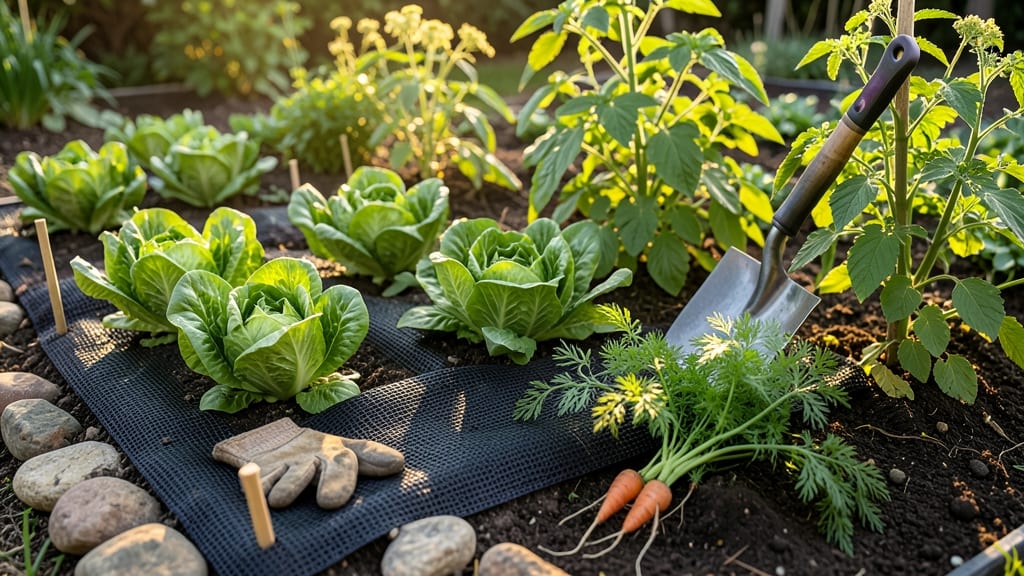
A weed guard for gardens is the ultimate way to stop weeds before they start, saving you hours of backbreaking work every season.
Tired of spending hours pulling weeds that keep coming back? A 3-layer weed guard could be your garden’s secret weapon—eliminating weeds without chemicals while protecting your soil and plants.
This smart barrier works by blocking sunlight and smothering weed seeds, so you spend less time weeding and more time enjoying your garden. Whether you’re growing veggies, flowers, or just keeping pathways clean, the right weed guard keeps your space tidy with minimal effort.
In this guide, I’ll break down the best materials, how to install them properly, and why a layered approach gives you the strongest defense against weeds.
How a 3-Layer weed guard blocks weeds at every stage
A 3-layer weed guard isn’t just one barrier—it’s a strategic defense system that stops weeds at every growth stage. Each layer serves a unique purpose, working together to block seeds, suppress sprouts, and prevent roots from taking hold.
This method eliminates the need for herbicides while keeping your garden beds clean and your plants healthy.
Weeds start as tiny seeds that germinate in sunlight, grow roots to access nutrients, and spread aggressively if left unchecked. A 3-layer system targets each of these stages: the top layer blocks light, the middle layer smothers sprouts, and the bottom layer prevents roots from penetrating.
Think of it like a fortress with three walls—no weak spots for weeds to exploit.
The first layer is your physical barrier, usually a thick, durable material like landscape fabric or cardboard. This stops seeds from reaching the soil and blocks early sprouts from breaking through. Without sunlight, seeds can’t germinate, and young weeds suffocate before they even start growing.
Next comes the light-blocking layer, often a black plastic sheet or biodegradable mat. This layer ensures no sunlight reaches the soil below, which is critical because most weeds need light to grow.
Even if a seed somehow slips past the first layer, the darkness prevents it from sprouting or developing.
| Layer | Function | Material Examples | Weed Stage Blocked |
|---|---|---|---|
| Top Layer | Physical Barrier | Landscape fabric, cardboard, thick mulch | Seed germination |
| Middle Layer | Light Blockage | Black plastic, biodegradable mats | Seedling growth |
| Bottom Layer | Root Suppression | Compost, straw, or dense mulch | Root penetration |
The final layer is root suppression, often made of compost, straw, or dense mulch. This layer prevents any weeds that somehow bypass the first two layers from sending roots deep into the soil.
It also improves soil health by retaining moisture and adding organic matter, which benefits your plants while keeping weeds at bay.
One of the biggest advantages of this system is its versatility. You can use it in vegetable gardens, flower beds, or even pathways to keep weeds from taking over. For example, in a raised bed, layer landscape fabric first, then black plastic, and top it with straw.
This combo blocks weeds while allowing your plants to thrive in nutrient-rich soil.
Unlike chemical herbicides, a 3-layer weed guard is safe for pets, children, and beneficial insects. It also improves soil structure over time by reducing compaction and erosion.
Plus, it saves you hours of weeding—once installed, it can last for months or even years, depending on the materials you choose.
For container gardens, you can adapt this system by lining pots with landscape fabric, adding a thin layer of black plastic, and topping it with mulch. This works especially well for herbs or small vegetables like lettuce or radishes, where weeds can quickly overtake the space.
If you’re worried about moisture retention, the bottom layer of compost or mulch helps regulate soil temperature and keeps water from evaporating too quickly. This is especially useful in hot, dry climates where weeds thrive in parched soil.
A well-layered weed guard ensures your plants get consistent moisture while starving out weeds.
To maximize effectiveness, install your 3-layer weed guard before planting. This gives weeds no chance to establish themselves. If you’re adding it to an existing garden, carefully cut around your plants to avoid damaging roots.
With this system in place, you’ll spend less time pulling weeds and more time enjoying your garden’s beauty.
🌱
Best materials for long-lasting weed guards (pros, cons, and durability)
Choosing the right weed guard material can make the difference between a weed-free garden and endless pulling. Not all materials work equally well—some degrade quickly, while others block sunlight poorly. The best options balance durability, effectiveness, and environmental impact to keep your garden tidy without harming the planet.
I’ve tested three top materials—landscape fabric, cardboard, and biodegradable mats—to help you decide which fits your garden’s needs. Each has unique strengths, whether you prioritize long-term use, budget-friendliness, or eco-consciousness.
Let’s break down the pros and cons so you can pick the perfect weed guard for your space.
Weed Guard Material Comparison
Landscape Fabric
- Lasts 5+ years with proper care
- Blocks 90%+ sunlight to smother weeds
- Permits water and air to reach soil
- Can shift over time if not secured
- More expensive upfront than cardboard
Cardboard
- Free or cheap (recycled boxes work)
- Breaks down naturally in 1-2 months
- Great for short-term projects
- Degrades too quickly for long-term use
- Can blow away in windy conditions
Biodegradable Mats
- Dissolves in 3-6 months safely
- Allows roots to penetrate over time
- Eco-friendly and pet-safe
- Less durable than fabric (lasts 1 season)
- Higher cost than cardboard
For permanent garden beds, landscape fabric is my top pick because it lasts years and blocks weeds effectively. If you’re prepping a newly planted area or have a temporary project, cardboard is a budget-friendly starter.
Meanwhile, biodegradable mats are perfect for organic gardens where you want to avoid synthetic materials entirely.
Pro tip: Combine materials for extra durability! Layer cardboard under biodegradable mats to extend their lifespan, or use landscape fabric under mulch for a double-layer defense. This hybrid approach gives you the best of all worlds—long-term protection without sacrificing eco-friendliness.
Remember, the key to a long-lasting weed guard isn’t just the material—it’s how you install it. Secure edges tightly, overlap seams, and avoid walking on it to prevent tears. With the right setup, your weed guard can last an entire growing season (or longer!) while keeping your garden pristine.