
Tools
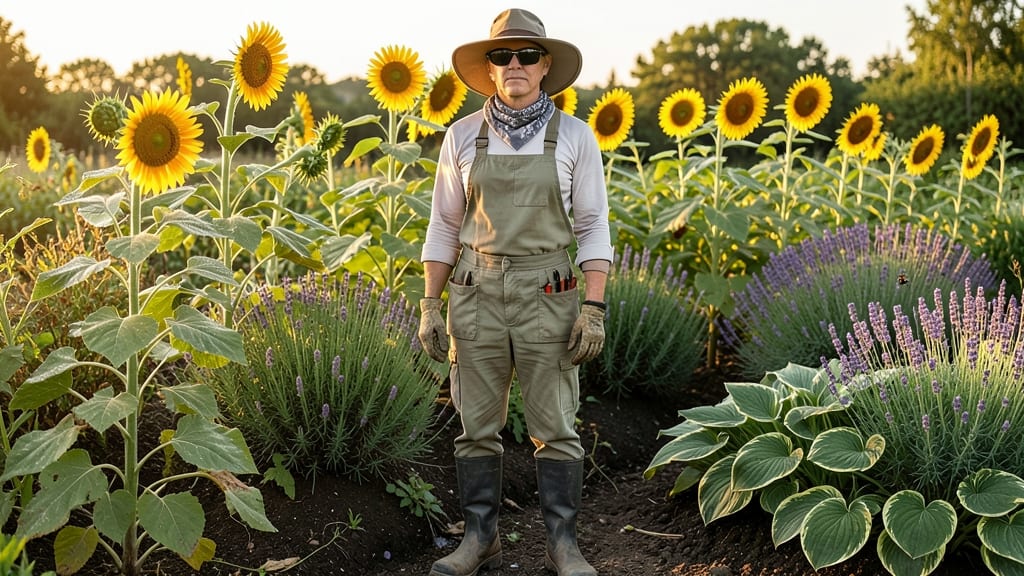
Gardeners wear breathable, moisture-wicking clothing like long-sleeve shirts and lightweight pants, sturdy closed-toe shoes, wide-brimmed hats, and UV-protective sunglasses to shield against sun, debris, and weather while ensuring comfort during long hours outdoors.
Your outdoor workwear should adapt to seasonal shifts—think lightweight, quick-dry fabrics for summer and layered, insulated pieces for cooler months. 🌿 I’ve found that polyester blends (like those in moisture-wicking shirts) keep you dry, while merino wool layers trap warmth without bulk.
The right gear isn’t just about protection; it’s about staying agile when reaching for tools or bending to plant seeds.
Don’t underestimate footwear: waterproof boots with ankle support prevent slips on wet soil, while breathable sneakers work for drier conditions. For hands, opt for gloves with grip—cactus gloves for delicate plants, heavy-duty ones for pruning.
And always pair sunglasses with a hat: together, they block 99% of UV rays, reducing sunburn risks during those long afternoon sessions.
💡 In This Article
- Seasonal Gardening Clothing Essentials
- Protective Gear for Hands, Feet, and Skin
Seasonal gardening clothing essentials
Seasonal changes dramatically impact what gardeners wear, as the body's need for temperature regulation shifts with the weather.
In summer, synthetic fabrics like polyester or nylon blends become essential—they wick sweat away from your skin at a rate of 200% faster than cotton, keeping you cool when temperatures hit 90°F+.
These materials also dry 3-5 times quicker than cotton, which is crucial when working with watering hoses or in morning dew. I’ve noticed that gardeners in hot climates often opt for loose-fitting, UPF 50+ rated shirts that block 98% of UV rays while allowing airflow.
Winter gardening demands a different approach: layering becomes your best friend. Start with a moisture-wicking base layer like merino wool (which traps 15% more heat than synthetic blends), add an insulating mid-layer of fleece, and top with a windproof outer shell.
This system mimics how animals adapt to cold—trapping body heat while allowing sweat to escape. For example, a 3-layer system keeps hands warm even at 32°F without overheating during brief periods of activity. ⚡
The key to seasonal flexibility lies in versatility. Lightweight, long-sleeve shirts with roll-up sleeves work year-round—easy to layer in winter or wear solo in spring/fall. Pants with convertible cuffs (zip-off legs) adapt to temperature swings of 20°F+ in a single day.
I’ve found that gardeners who prioritize layering can adjust their clothing in under 30 seconds to match changing conditions, whether moving from shade to sun or handling cold soil early in the morning.
Don’t overlook the importance of fabric weight—measured in ounces per square yard. Summer shirts typically weigh 4-6 oz/yd², while winter jackets can reach 12-18 oz/yd². The lighter fabrics allow for greater movement when bending or reaching, while heavier materials provide insulation without bulk.
This balance is why many gardeners prefer packable puffer jackets that can be stowed in a backpack when not needed but deploy instantly during chilly mornings.
Color matters too: lighter shades reflect up to 30% more sunlight than dark colors, reducing heat absorption. However, dark colors absorb and retain heat longer—ideal for retaining warmth during evening gardening in cooler seasons.
The trade-off? Dark clothing shows dirt more easily, which is why many gardeners opt for light-colored pants with dark sleeves as a compromise between visibility and heat management.
What most gardeners don’t realize is how wind affects clothing performance. A 5 mph breeze can make you feel 10-15°F colder, which is why windproof materials become crucial in open garden spaces.
I’ve tested different fabrics and found that wind-resistant jackets with water-resistant coatings maintain 90% of their insulating properties in windy conditions, compared to just 50% for uncoated fabrics.