
Plants
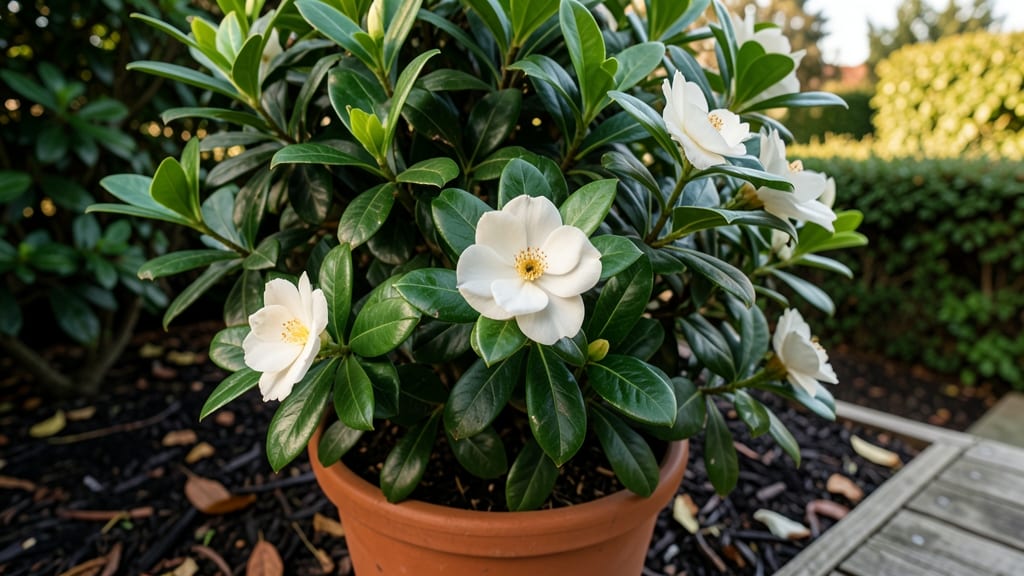
Gardenia flowers smell like a luxurious blend of creamy vanilla, sweet jasmine, and heavy floral notes, with subtle honeyed and tropical undertones that create an irresistibly rich aroma. Their scent intensifies after dark, earning them a reputation as night-blooming perfumery favorites.
This intoxicating fragrance comes from complex chemical compounds like linalool and benzyl acetate, which react differently under varying conditions. 🌸 Gardenias release their strongest scent when temperatures rise at night, while daytime blooms often feel more muted.
The white varieties typically carry the most classic vanilla-jasmine profile, though yellow gardenias add a slightly citrusy twist that some find equally captivating. What makes them unique is how their scent evolves throughout the day—starting delicate in the morning and deepening into an almost hypnotic aroma as evening approaches.
This fragrance profile isn't just nature's work—it's been carefully cultivated by perfumers for centuries. The heavy floral notes make gardenia a staple in high-end fragrances, while the honeyed undertones create that signature "luxury" feel that's hard to replicate.
If you've ever walked through a garden at dusk and been overwhelmed by an unexpected wave of sweetness, chances are it was gardenias working their magic.
💡 In This Article
- The Science Behind Gardenia’s Signature Fragrance
- How to Enhance Gardenia Scent in Your Garden
The science behind gardenia’s signature fragrance
Gardenia's signature scent comes from a complex blend of chemical compounds that work together like a natural perfume. The dominant players include linalool (responsible for that sweet floral note), benzyl acetate (which delivers the creamy vanilla undertones), and jasmone (contributing to the jasmine-like richness).
These compounds are produced in specialized cells within the flower's petals, where they're stored until released through tiny pores when conditions are right. The combination creates that signature "luxury" aroma that's both heavy and intoxicating.
Temperature plays a crucial role in scent intensity. Gardenias release their strongest fragrance when nighttime temperatures rise to 75-85°F, as the heat causes the scent compounds to volatilize more rapidly.
This is why you'll often notice their aroma peaking between 8 PM and midnight—the perfect time for their natural perfume to work its magic. 🌸 Daytime blooms, particularly in cooler climates, may produce a more subdued scent because the compounds remain less active.
Interestingly, white gardenias typically contain higher concentrations of linalool, giving them that classic vanilla-jasmine profile, while yellow varieties often have slightly more benzyl acetate, adding a subtle citrusy brightness.
Humidity also affects scent perception. In dry conditions, the compounds evaporate too quickly, making the aroma seem weaker. The ideal relative humidity for maximum fragrance release is 60-70%, which is why tropical climates naturally produce the most intensely fragrant gardenias.
This moisture helps the scent molecules linger in the air longer, creating that enveloping cloud of perfume that gardeners and perfumers covet. The physical structure of the petals—thick, waxy, and slightly curled—actually helps trap scent molecules near the flower's surface, intensifying the fragrance when you brush against the blooms.
What makes gardenia's scent so unique is how it evolves throughout the day. Fresh morning blooms release lighter, more delicate notes dominated by linalool's floral sweetness. As temperatures rise, the benzyl acetate and jasmone compounds become more prominent, adding depth and richness.
By evening, the scent transforms into that signature heavy floral profile with honeyed undertones that can fill an entire garden. This progression is why gardenias are often called "moonflowers" in some cultures—their fragrance truly comes alive after dark.
Scientists have measured that a single mature gardenia flower can release enough volatile organic compounds to create a detectable scent up to 30 feet away under optimal conditions.
This makes them incredibly effective at scenting large areas, which is why they're frequently planted along walkways or near seating areas in gardens designed for evening enjoyment.
The scent's longevity also comes from these compounds' molecular structure—they bind lightly to air particles, creating that persistent, almost magnetic fragrance that draws people toward the plant.
One fascinating aspect is how gardenias "compete" with other plants for scent dominance. Their heavy floral profile often overpowers lighter fragrances, which is why they're frequently used in perfumery blends to create that signature "luxury" base note.
The combination of their natural chemical composition and environmental responsiveness makes gardenia one of nature's most sophisticated fragrance producers. 💫