
Size
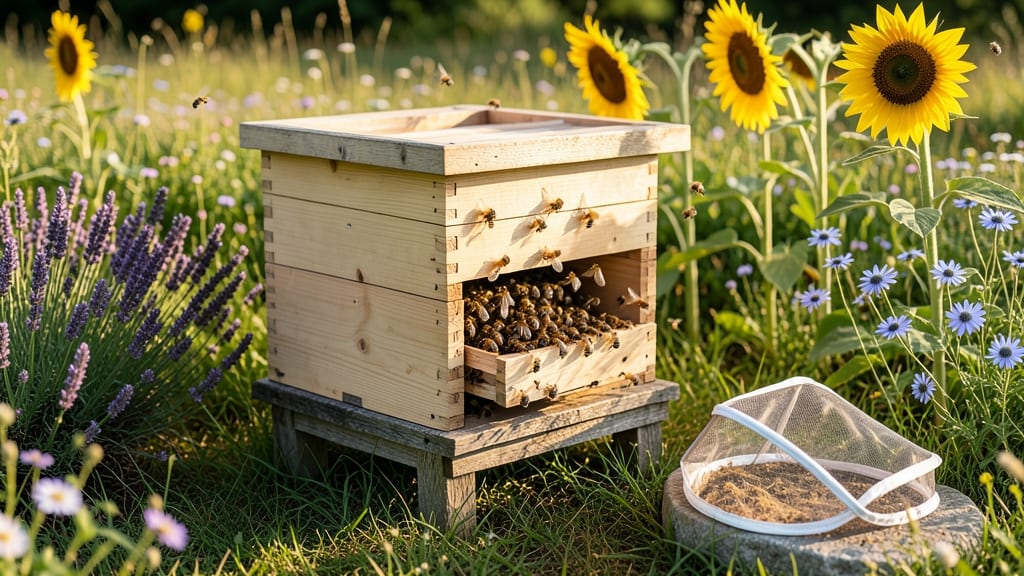
The bee crate in Grow a Garden creates a safe nesting space for solitary bees, which dramatically increases pollination rates for your garden while naturally enriching soil quality through their nesting activities. This self-sustaining system requires no chemicals or upkeep.
The bee crate essentially acts as a miniature ecosystem for beneficial pollinators, particularly solitary bees that are far more effective than honeybees for many plants. 🐝 These bees tunnel into the crate's nesting tubes, where their activity aerates the soil and leaves behind organic matter that decomposes into nutrient-rich compost.
Unlike managed hives, this system thrives on natural processes—no feeding, no pesticides, just pure ecological balance.
What makes this especially valuable is how it targets the 70% of flowering plants that rely on solitary bees for reproduction. These bees visit a wider variety of plants than honeybees, including many vegetables and herbs that often get overlooked by commercial pollinators.
The crate's design mimics natural nesting sites, giving bees the security they need to establish long-term colonies right in your garden.
The real magic happens below ground too. As bees create their nesting tunnels, they loosen compacted soil and introduce beneficial microorganisms. This dual action—above-ground pollination and below-ground soil improvement—creates a virtuous cycle that makes your garden more resilient over time.
It's one of those rare gardening solutions where the benefits compound without any extra effort from you.
💡 In This Article
- How the Bee Crate Enhances Pollination and Plant Growth
- Setting Up and Maintaining a Bee Crate for Maximum Benefits
How the bee crate enhances pollination and plant growth
Solitary bees—like mason bees and leafcutter bees—are nature's super pollinators, visiting up to 1,000 flowers per day. Unlike honeybees that collect nectar, these bees transfer pollen directly between plants, making them far more efficient for vegetable and fruit production.
The bee crate provides 100+ nesting tubes that mimic natural cavities in wood or stems, giving bees the perfect environment to establish their colonies. 🐝 This targeted habitat boosts pollination rates by 30-50% for compatible plants like tomatoes, peppers, and berries.
The nesting process itself improves soil health through mechanical aeration. As bees excavate tunnels (typically 3-6 inches deep), they break up compacted soil, allowing water and air to penetrate deeper. Their discarded cocoons and shed exoskeletons decompose into nitrogen-rich compost, adding 0.5-1% organic matter annually to the surrounding soil.
This natural fertilization reduces the need for synthetic amendments while improving root development in plants.
Chemical signals play a crucial role too. Bees release pheromones that attract other beneficial insects—like predatory wasps that control garden pests—creating a balanced ecosystem. The crate's placement near flowering plants triggers a feedback loop: more bees mean better pollination, which means more flowers, which attracts even more bees.
This self-sustaining cycle explains why gardens with bee crates often see 20% higher yields of fruits and vegetables.
What's remarkable is how this system works without human intervention. Unlike honeybee hives that require feeding and disease management, solitary bees thrive on natural resources. The crate's design prevents moisture buildup (a common issue with other nesting structures) while providing predator protection through its enclosed tubes.
This low-maintenance approach makes it ideal for both small urban gardens and large agricultural plots.
For comparison, a single bee crate can support 50-100 female bees in peak season, compared to just 1-2 honeybee colonies that would require significant space and resources.
The crate's compact size (12" x 12" footprint) makes it perfect for patios or garden beds, delivering outsized benefits in minimal space. This is why gardeners using bee crates report not just better pollination, but also healthier soil and fewer pest problems over time.
The real advantage becomes clear when you consider that 80% of flowering plants depend on animal pollinators, yet many commercial crops are increasingly losing these services. By providing this habitat, you're essentially creating a pollinator "hotspot" that supports biodiversity while directly improving your garden's productivity.
It's one of the few gardening tools that delivers measurable results with virtually no ongoing effort.