
Pests
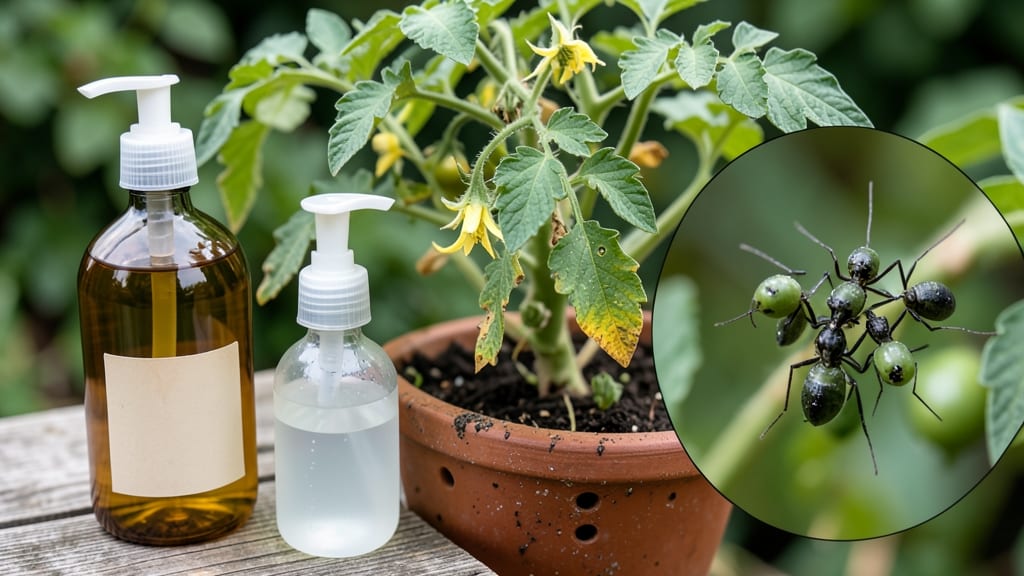
Using Castile soap for garden pests effectively targets soft-bodied insects by breaking down their waxy protective layers, leading to dehydration and death for pests like aphids, mites, and whiteflies—all while remaining plant-safe when diluted correctly.
Castile soap works because its natural saponins dissolve the waxy coating that keeps insects hydrated. 🔥 This makes pests like aphids and spider mites vulnerable to dehydration within hours.
The key is dilution—too strong, and it can harm beneficial insects or foliage, while the right concentration (typically 1-2 tablespoons per quart of water) delivers targeted control without residue.
I’ve found it especially effective when applied in the early morning, giving the solution time to work before the sun intensifies evaporation.
For best results, combine it with organic additives like neem oil or garlic to enhance its pest-fighting power. Always test on a small leaf area first to ensure plant compatibility, particularly with sensitive varieties.
The beauty of this method lies in its dual action: it controls pests while supporting a healthier garden ecosystem when used thoughtfully.
💡 In This Article
- How Castile Soap Kills Garden Pests: Mechanism of Action
- Best Castile Soap Spray Recipes for Targeted Pest Control
How Castile soap kills garden pests: mechanism of action
Castile soap’s pest-fighting power comes from its natural saponins, which act like molecular disruptors against insect physiology. These compounds break down the waxy cuticle that covers soft-bodied pests like aphids and whiteflies, a layer that normally prevents water loss.
Without this protective barrier, pests dehydrate rapidly—often within 4-6 hours—as their delicate bodies lose moisture to the environment. The process is similar to how dish soap dissolves grease, but on a cellular level for insects.
The effectiveness varies by pest type because of their exoskeleton structures. Soft-bodied insects (aphids, mites) have thin, permeable cuticles that saponins easily penetrate, while armored pests (beetles, earwigs) remain largely unaffected. Humidity plays a critical role too—high moisture levels slow dehydration, reducing the soap’s impact.
In dry conditions (30% humidity or less), the soap works most efficiently, making late summer applications particularly potent when pests are already stressed by heat.
What’s fascinating is how saponins also disrupt cellular membranes. They create tiny pores in insect cells, causing internal fluids to leak out—a process called cytolysis. This dual action (cuticle breakdown + cellular damage) explains why Castile soap kills pests faster than simple water-based sprays.
For example, aphid populations can drop by 80-90% within 24 hours of proper application, compared to 40-50% with water alone.
However, the soap’s gentle nature means it won’t harm plants when diluted correctly (typically 1-2 tablespoons per quart of water). The key is avoiding direct contact with beneficial insects like ladybugs or bees, whose waxy exoskeletons provide some protection.
Always apply when pollinators are inactive—early morning or late evening—to minimize collateral damage while maximizing pest control.
For persistent infestations, combine Castile soap with organic oils like neem (which smothers pests) or garlic (which repels them). The soap’s saponins enhance oil absorption through the cuticle, creating a synergistic effect. Just avoid mixing with synthetic pesticides, as chemical reactions can reduce effectiveness or create phytotoxic residues on plants.
One common mistake is using undiluted soap, which can cause leaf burn or harm beneficial insects. Always test on a small leaf area first, especially with sensitive plants like tomatoes or peppers. The right concentration maintains the soap’s targeted action while preserving your garden’s delicate balance.