
Size
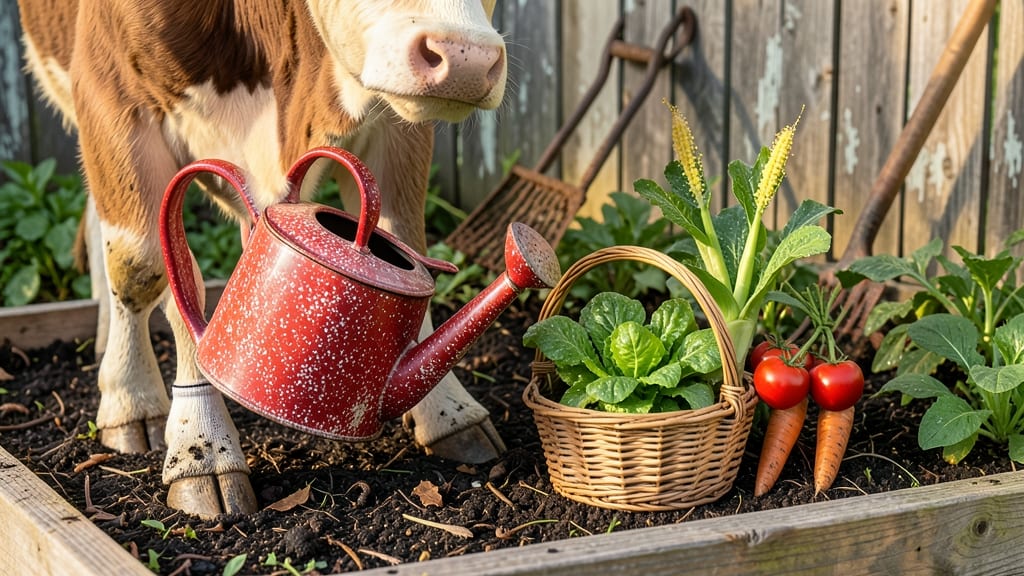
In Grow a Garden, cows play a vital role by producing nutrient-rich manure that serves as natural fertilizer, breaking down organic waste to improve soil structure and boost plant growth through enhanced microbial activity.
Cows act as natural composters in regenerative gardening systems, turning their waste into a powerhouse for soil health. 🌱 Their manure is packed with essential nutrients like nitrogen and phosphorus, which feed plants while also attracting beneficial microbes that break down organic matter.
This creates a self-sustaining cycle where the garden thrives with minimal external inputs. What's particularly fascinating is how cow manure's slow decomposition process releases nutrients gradually, preventing plant burn while maintaining long-term fertility.
Beyond just fertilization, cows contribute to soil structure by improving water retention and aeration. When properly composted, their manure transforms into a dark, crumbly humus that creates ideal growing conditions.
Many homesteaders integrate cows into their gardening systems through rotational grazing or dedicated compost areas, creating a closed-loop ecosystem where the animals' waste directly benefits the crops.
💡 In This Article
- How Cow Manure Boosts Soil Fertility
- Practical Ways to Use Cows in Garden Compost Systems
How cow manure boosts soil fertility
Cow manure acts as a natural nutrient powerhouse because of its rich composition of organic matter, nitrogen, phosphorus, and potassium. When fresh, it contains about 1-2% nitrogen, 0.5-1% phosphorus, and 0.5-1% potassium by weight, though these values vary based on diet and bedding materials.
The magic happens when microbes in the soil break down this organic material through a process called mineralization, where complex compounds are converted into plant-available forms. This gradual release prevents nutrient spikes that can burn plants, unlike synthetic fertilizers that deliver immediate but short-lived benefits.
The decomposition process also improves soil structure by increasing porosity and water-holding capacity. Cow manure's fibrous texture creates air pockets that enhance root growth, while its humic acids bind soil particles together, forming stable aggregates.
Studies show that gardens amended with well-composted cow manure can see 20-30% improvements in water retention compared to untreated soil.
The microbial activity stimulated by the manure further breaks down organic matter, creating a thriving ecosystem where beneficial bacteria and fungi proliferate—these microorganisms then become available to plant roots through mycorrhizal associations.
One often overlooked benefit is the balanced nutrient profile cow manure provides. Unlike chicken manure, which is high in nitrogen and can be too "hot" when fresh, cow manure's slower decomposition makes it safer to use directly in gardens.
Its carbon-to-nitrogen ratio (typically 20:1 to 30:1) is ideal for composting, ensuring steady nutrient release over months rather than weeks. This makes it particularly valuable for long-term soil building rather than quick fixes.
The manure's dark, crumbly texture when fully composted is a visual indicator of its readiness—it should resemble rich, moist soil rather than clumpy or foul-smelling material.
For gardeners using cow manure, the key is proper aging. Fresh manure can contain harmful pathogens and weed seeds, but composting for 6 months to a year eliminates these risks while maximizing nutrient availability. The aging process also reduces ammonia volatility, which would otherwise cause nitrogen loss.
I've found that mixing cow manure with straw or wood chips in a 3:1 carbon-to-nitrogen ratio creates the perfect environment for microbial activity to thrive. This balance prevents anaerobic conditions that produce foul odors while ensuring complete decomposition.
Consider this comparison: A single cow produces about 30-50 pounds of manure daily, which translates to roughly 1-2 tons per year. When properly managed, this waste stream becomes a garden's most valuable resource.
The manure's slow-release properties mean plants receive continuous nourishment throughout the growing season, reducing the need for frequent fertilization.
For example, a 100-square-foot garden might require only 2-3 wheelbarrow loads of composted cow manure per year to maintain optimal fertility, compared to the 50+ pounds of synthetic fertilizer needed annually for comparable results.
The real secret lies in the symbiotic relationship between cows and gardens. Their digestive systems break down fibrous plant materials that would otherwise decompose slowly, creating a concentrated source of nutrients.
When integrated into a garden system, this creates a closed-loop where the animals' waste directly benefits the crops they eventually graze upon. This regenerative approach not only reduces waste but also builds soil health over generations, making it a cornerstone of sustainable agriculture practices.