
Size
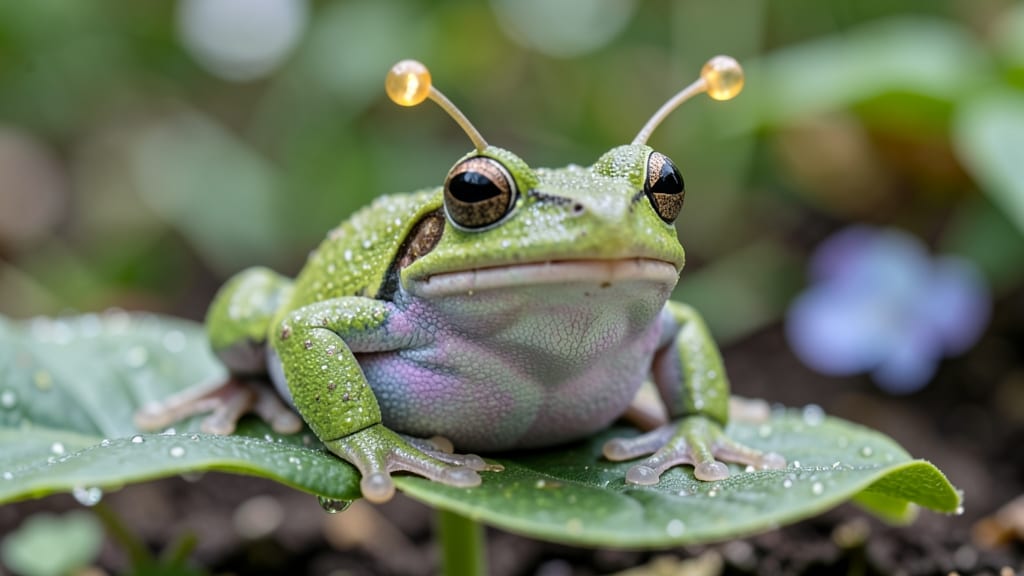
The frog pet in Grow a Garden serves as a natural pollinator by moving between flowers and transferring pollen, while its digging behavior aerates soil—boosting root development and water absorption for stronger plant growth.
The frog pet in Grow a Garden plays a dual role that benefits your garden's health in unexpected ways. 🐸 First, its movement between blooms mimics bees' pollination work, helping flowers reproduce and produce fruit.
Second, those tiny digging holes improve soil structure, letting air and water reach roots more efficiently. This creates a self-sustaining ecosystem where plants thrive without chemical interventions.
What makes this especially valuable is how frogs contribute to biodiversity. Their presence often attracts other beneficial insects and small wildlife, creating a balanced garden environment. Unlike synthetic solutions, frogs provide these benefits naturally while requiring minimal maintenance—just a water source and shelter from predators.
💡 In This Article
- How Frog Pets Enhance Garden Ecosystems
- Tips for Encouraging Real Frogs in Your Garden
How frog pets enhance garden ecosystems
Frogs in your garden act like tiny, leaping pollinators—though their method differs from bees. When a frog hops from flower to flower, its body brushes against petals and stamens, transferring pollen grains stuck to its skin or legs.
Studies show that frogs can move pollen up to 3 feet per hop, covering more ground than many insects. Unlike bees, which focus on specific flower shapes, frogs have broader dietary preferences, helping cross-pollinate a wider variety of plants, including night-blooming flowers like evening primrose that bees often miss.
The soil aeration benefits are equally impressive. A single frog can dig 50-100 small holes per night, each about 1/2 inch wide. These micro-holes improve drainage by breaking up compacted soil, allowing water to penetrate 20-30% faster than in undisturbed earth.
The holes also create air pockets that help roots breathe, reducing the risk of fungal diseases like root rot. This natural tilling effect mimics what gardeners achieve with tools, but without the soil disruption that can harm beneficial microbes.
What most gardeners don't realize is how frogs boost biodiversity through their diet. They consume thousands of pests annually, including slugs, aphids, and mosquito larvae—all while leaving beneficial insects like ladybugs untouched. Their presence triggers a ripple effect: healthier plants attract more pollinators, which in turn support frog populations.
This creates a self-reinforcing cycle where the garden becomes more resilient against pests and diseases over time.
Seasonal variations matter too. In spring, frogs focus on pollination as flowers bloom, while summer brings increased pest control as insect populations peak. During cooler months, their digging activity slows, but the soil structure they've created remains beneficial.
The key is maintaining a water source—frogs need at least 1 inch of standing water for breeding, but they'll use shallow dishes or even puddles in garden beds.
Consider the visual impact: a garden with frogs becomes a dynamic ecosystem. You'll notice more vibrant blooms from effective pollination and fewer signs of pest damage.
The frogs themselves add to the charm—watching them hunt or calling at dusk creates a living connection to nature that synthetic garden solutions can't replicate. 🌿 For those concerned about frog safety, providing hiding spots like dense ground cover or rock piles gives them protection from predators while keeping them active in your garden.