
Tools
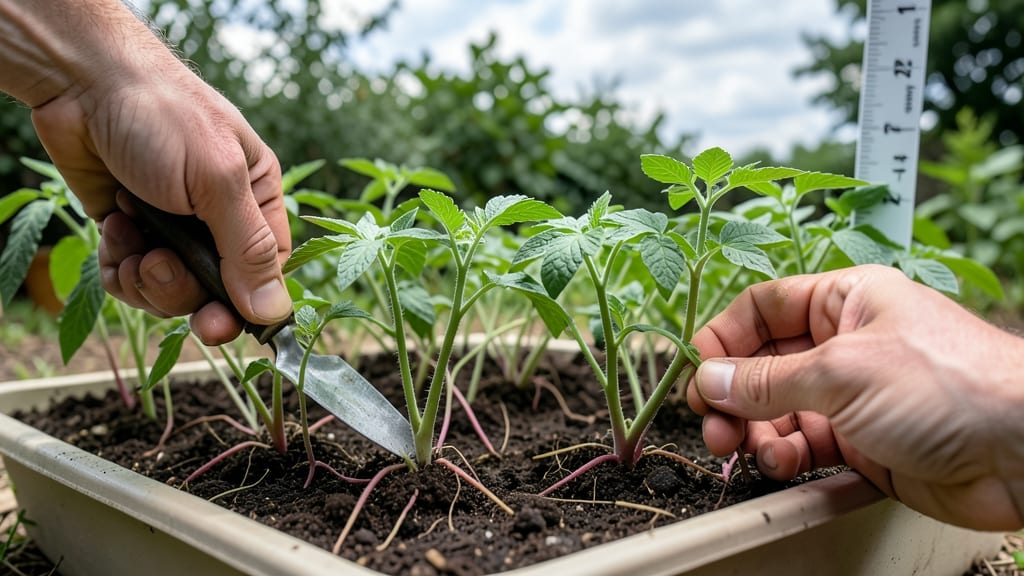
Thinning in gardening means removing excess seedlings or overcrowded plants to give remaining ones enough space, nutrients, and sunlight for healthy growth and higher yields. It’s essential for preventing competition and disease.
Thinning is the process of intentionally reducing plant density to create healthier crops. When seedlings compete for resources, they often grow weak and leggy, producing smaller yields. 🌱 Proper spacing allows roots to expand fully and improves air circulation, which reduces fungal diseases like powdery mildew.
For example, carrots left too close will grow forked and stunted, while thinned carrots develop straight, tender roots. The key is timing—most vegetables should be thinned when they have their first true leaves but before they become root-bound.
This practice isn't just about yield—it also improves flavor and harvest quality. Many gardeners skip thinning because it seems wasteful, but removing excess plants actually strengthens the remaining ones.
I recommend using sharp scissors or your fingers to avoid damaging roots, and always thin in stages if dealing with fast-growing crops like radishes.
💡 In This Article
- How Thinning Improves Plant Health and Yield
- When and How to Thin Seedlings Properly
How thinning improves plant health and yield
Thinning transforms a crowded seedling bed into a thriving garden by addressing three critical factors: root competition, nutrient availability, and light exposure. When seedlings grow too close, their roots tangle underground, fighting for water and minerals in the soil.
This competition forces plants to develop shallow, weak root systems that can't support strong growth. For instance, lettuce seedlings left unthinned may produce small, bitter leaves because their roots struggle to access enough nitrogen and phosphorus.
The visual difference between thinned and unthinned plants is striking. In a properly spaced row of carrots, each plant has room to grow a straight, pencil-thick root measuring 2-3 inches in diameter.
But in an overcrowded bed, carrots often fork or split because their roots twist around neighbors, creating uneven pressure. The same principle applies to leafy greens like spinach—thinned plants develop broad, vibrant leaves, while crowded ones grow narrow and pale due to light deprivation.
Air circulation becomes another critical factor. Dense plantings trap moisture against leaves, creating ideal conditions for fungal diseases like powdery mildew or damping-off. Thinning increases airflow by 30-50% in some cases, reducing humidity levels near the soil surface.
This is why gardeners often notice fewer yellowing leaves and healthier stems after thinning. For example, tomato seedlings benefit dramatically from spacing—plants given 18-24 inches between them develop stronger stems and produce larger fruit compared to crowded counterparts.
What most gardeners don't realize is how thinning affects flavor. Plants growing in competition often produce more leaves or stems at the expense of flavor compounds. Take basil as an example: thinned plants develop richer essential oils (like eugenol and linalool) that give fresh basil its signature aroma and taste.
The science shows that proper spacing actually increases the concentration of beneficial secondary metabolites in many herbs and vegetables.
Consider the case of radishes, which mature in just 3-4 weeks. If left unthinned, they'll bolt (flower prematurely) and become pithy. But when thinned to 1 inch apart, they develop crisp, sweet roots with vibrant pink or purple hues.
This visual and taste difference demonstrates how thinning directly impacts both yield quality and harvest satisfaction.
The timing of thinning matters too—waiting too long can damage roots. Most vegetables should be thinned when they have their first true leaves (not the initial seed leaves) but before they develop more than 2-3 inches of stem.
This window ensures roots are still small enough to recover quickly from the process.