
Companion Plants
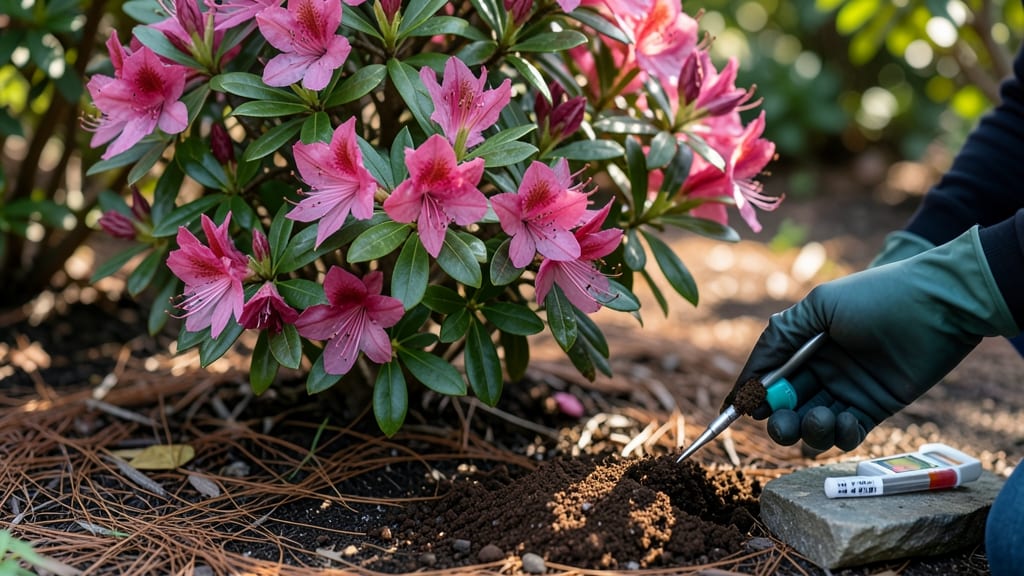
Garden plants that benefit from coffee grounds include acid-loving varieties like azaleas, blueberries, hydrangeas, and rhododendrons, as well as vegetables such as tomatoes and peppers. The grounds enrich soil with nitrogen and improve moisture retention while lowering pH levels for optimal growth.
Coffee grounds are a gardener's secret weapon for acid-loving plants because they naturally lower soil pH while adding organic matter. 🌿 The nitrogen in grounds feeds hungry plants like blueberries and azaleas, while the gritty texture improves drainage for root health.
I've seen gardeners use used grounds from their morning brew to create thriving beds—just remember to mix them into compost first to avoid clumping.
What makes this work so well is how coffee grounds mimic natural forest floor conditions. The slow decomposition process creates a gradual nutrient release that mirrors how these plants evolved to thrive. For vegetables like tomatoes and peppers, the slightly acidic environment actually enhances flavor profiles while deterring certain pests.
The key is moderation—too much can make the soil too acidic, so I recommend using grounds as a supplement rather than the sole amendment.
💡 In This Article
- How Coffee Grounds Boost Soil Health for Acid-Loving Plants
- Best Practices for Using Coffee Grounds in Your Garden
How coffee grounds boost soil health for acid-loving plants
Coffee grounds work their magic through a combination of nitrogen release and gradual organic matter breakdown. When grounds decompose, they release nitrogen in a form that plants can absorb—about 2% nitrogen by weight, which is roughly equivalent to a light dose of organic fertilizer.
This nitrogen boost is particularly valuable for acid-loving plants like blueberries, which thrive in soils with a pH between 4.5 and 5.5. The grounds also contain trace minerals like magnesium and potassium, which further support root development and flowering.
The gritty texture of coffee grounds improves soil aeration by preventing compaction, while their ability to retain moisture creates a sponge-like environment for roots. This is especially beneficial during dry spells, as the grounds can hold up to 20% more water than regular soil.
The slow decomposition process also feeds beneficial microbes, creating a thriving ecosystem that breaks down organic matter into plant-available nutrients. Think of it like adding a slow-release fertilizer that also adjusts your soil's acidity naturally—similar to how pine needles or oak leaves would in a forest understory.
For acid-loving plants, the pH adjustment is the most critical benefit. Coffee grounds lower soil pH by releasing organic acids during decomposition, making them ideal for species that struggle in alkaline conditions.
For example, hydrangeas produce blue flowers in acidic soil (pH 5.5 or lower) and pink flowers in neutral soil (pH 6.0-7.0). By incorporating coffee grounds, you can shift the soil chemistry toward the plant's ideal range without harsh chemical amendments.
This is why gardeners often see vibrant color changes in hydrangeas within just a few months of using grounds.
However, the benefits aren't limited to ornamental plants. Vegetables like tomatoes and peppers also thrive with coffee grounds because the slightly acidic environment enhances nutrient availability, particularly for micronutrients like iron and manganese.
The improved soil structure also reduces the risk of blossom-end rot—a common tomato problem caused by calcium deficiency in compacted soils. What's fascinating is how the grounds create a self-regulating system: as microbes break them down, they release nutrients at a rate that matches plant uptake, preventing waste or runoff.
One often-overlooked advantage is pest deterrence. The strong aroma of coffee grounds repels slugs, snails, and some fungal pathogens, making it a natural way to protect your plants without chemicals.
The caffeine in grounds (about 1-2% by weight) acts as a mild insect repellent, though it's not strong enough to harm beneficial insects like bees or ladybugs. This dual benefit of nutrient enrichment and pest control makes coffee grounds one of the most versatile garden amendments available.
To maximize these benefits, I recommend mixing grounds into compost first rather than applying them directly to soil. This allows the decomposition process to stabilize the nitrogen release and prevent clumping.
For established plants, a light layer of grounds around the base (about 1/4 inch thick) every few weeks provides continuous benefits without over-acidifying the soil. The key is balance—too much can create a coffee-scented, nitrogen-rich environment that may attract pests or create anaerobic conditions in the soil.