Planting
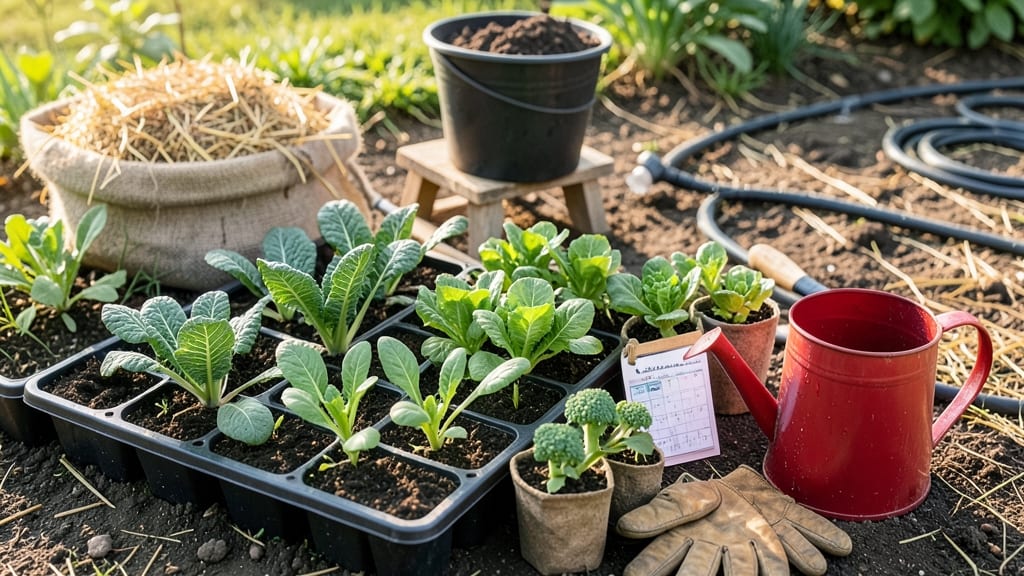
Planting a fall garden in Texas means starting between mid-August and mid-October—when the heat still lingers but the days grow shorter, giving your 🥕 crops the edge they need to thrive.
Texas gardeners know summer’s brutal heat can turn soil into a furnace—but with the right timing and heat-resistant crops, a thriving fall garden is absolutely possible. The key? Planting early enough to beat the worst of the heat, yet not so late that your greens bolt before harvest.
This isn’t just about avoiding wilting seedlings—it’s about choosing varieties that can handle 90-degree soil while still producing sweet, crisp harvests by December. From Malabar spinach to Swiss chard, the right crops make all the difference.
Below, I break down the exact month-by-month deadlines for North, Central, and South Texas, plus the top 10 heat-tolerant vegetables that will outperform your neighbors’ bolting lettuce. Let’s get those fall roots growing!
Texas fall planting deadlines by region: exact month-by-month schedule
Texas’s diverse climate means your fall planting deadlines depend entirely on your region—whether you’re in North Texas’s cooler hills or South Texas’s lingering heat. Planting too early risks heat stress on delicate seedlings, while waiting too long cuts your harvest window short.
Here’s the exact schedule to maximize your garden’s potential before the first frost.
In North Texas (USDA Zones 7b-8a), like Dallas and Fort Worth, the last safe planting window for cool-season crops ends around October 15. This region enjoys cooler nights earlier, but soil temperatures can still flirt with 80°F in September, making heat-tolerant varieties essential.
For Central Texas (Zones 8a-8b), including Austin and San Antonio, the deadline stretches to October 31—but watch for unpredictable cold snaps in November.
South Texas (Zones 9a-10b), covering Houston and the Rio Grande Valley, has the longest window—until November 15—but heat lingers longer, so prioritize heat-resistant varieties like Malabar spinach or Swiss chard. The key? Soil temperature should dip below 85°F for most cool-season crops to thrive. Use a soil thermometer to check before planting.
Here’s your region-specific planting timeline for cool-season crops like broccoli, kale, and carrots—plus heat-tolerant alternatives for late starters:
For North Texas, prioritize fast-maturing crops like radishes (25 days) or bush beans (50 days) to harvest before November’s chill. In <
Best heat-resistant fall vegetables for Texas gardens: top 10 varieties that thrive in late summer planting
Texas summers don’t quit easily, but with the right heat-resistant vegetables, you can still enjoy a bountiful fall harvest. These varieties tolerate 90°F+ soil temperatures while others bolt or wilt. The secret lies in selecting tropical and subtropical crops that thrive when most cool-season plants struggle.
Forget delicate lettuce—these top 10 heat-tolerant vegetables will keep producing long after your neighbors’ gardens turn to crispy brown patches. From leafy greens to legumes, each variety comes with specific soil prep tips and companion planting strategies to maximize success in Texas’s lingering summer heat.
🌱 Top 10 Heat-Resistant Fall Vegetables for Texas
- Malabar Spinach – Thrives in 95°F+ heat; plant in full sun with well-draining soil. Companion: Okra.
- Swiss Chard – Heat-tolerant with brightly colored stems; sow in late August for fall harvests. Companion: Basil.
- Black-Eyed Peas – Drought-resistant; plant August-September for winter harvests. Companion: Sweet Potatoes.
- Sweet Potatoes – Love hot soil; plant slips in late summer for harvest before frost. Companion: Bush Beans.
- Okra – Extreme heat lover; plant in full sun with sandy loam soil. Companion: Cucumbers.
- Southern Peas (Cowpeas) – Fix nitrogen; plant July-August for fall/winter pods. Companion: Tomatoes.
- Collard Greens – Heat-tolerant leafy green; sow in late summer for sweet, tender leaves. Companion: Onions.
- Amaranth – Drought-resistant; plant in full sun for nutrient-dense greens. Companion: Peppers.
- Eggplant – Heat-loving; plant in late summer for fall harvests. Companion: Marigolds.
- Peppers (Hot & Sweet) – Thrive in heat; plant in August for winter harvests. Companion: Basil.
Pro Tip: Mulch heavily with straw to retain moisture and water deeply in the morning to avoid fungal issues.
Each of these heat-tolerant varieties has specific soil requirements to ensure success. For example, okra and sweet potatoes prefer sandy loam, while Swiss chard and collards thrive in richer, loamy soil. Before planting, amend your soil with compost and aged manure to improve drainage and nutrient retention.
Companion planting is another game-changer for Texas fall gardens. Pairing okra with cucumbers deters pests naturally, while basil beside tomatoes enhances flavor and repels insects. These pairings create a self-sustaining ecosystem that reduces your workload while boosting yields.
Don’t let Texas’s summer heat discourage you—these heat-resistant crops prove that a fall garden is absolutely possible. With the right varieties, soil prep, and companion planting, you’ll be harvesting crisp greens and sweet pods well into December. Happy planting!