
Tools
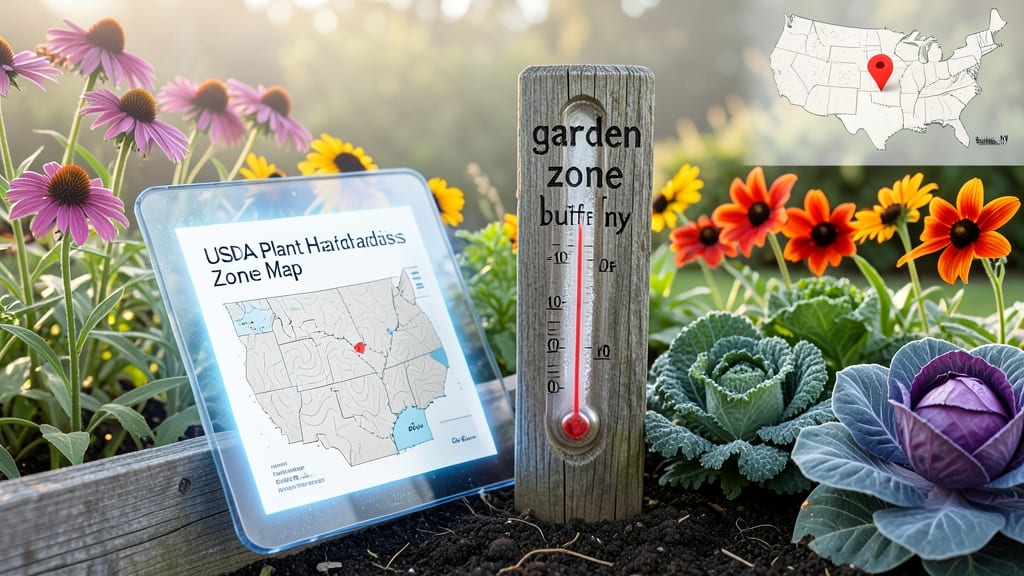
Buffalo, NY's garden zone is primarily USDA Zone 6a, where winter lows typically range from -10°F to -5°F. However, areas near Lake Erie may experience milder conditions, potentially placing them in Zone 6b (-5°F to 0°F). Always verify local microclimates for accurate planting timelines.
Understanding Buffalo's garden zone helps you choose the right plants for your yard.
Zone 6a means you can grow cold-hardy varieties like roses, peonies, and apple trees, which thrive in these temperature ranges. 🌿 The lake's influence can create warmer pockets near its shores, allowing for slightly more tender plants.
For example, areas just east of downtown Buffalo might see delayed frost dates, giving you extra time for late-season planting.
If you're unsure about your exact microclimate, observe your garden's behavior over a few years. Notice which plants survive harsh winters and which struggle. This hands-on approach helps refine your planting strategy beyond just the zone designation.
For instance, windbreaks near Lake Erie can protect delicate perennials from winter chill, while sunny exposures may push your growing season slightly longer.
💡 In This Article
- How USDA Zone 6a Affects Plant Selection in Buffalo
- Microclimate Tips for Buffalo Gardeners Near Lake Erie
How USDA Zone 6a affects plant selection in Buffalo
Buffalo's classification as USDA Zone 6a means your garden must handle winter lows between -10°F and -5°F, which dramatically shapes your plant choices. This range eliminates tropical plants but supports cold-hardy favorites like roses (Zone 4-9) and apple trees (Zone 3-8), which thrive in these conditions.
The key is selecting perennials that can survive 100-150 hours below 32°F—a critical threshold for winter survival. 🌹 For example, peonies (Zone 3-8) flourish here, while tender annuals like impatiens will perish in our winters.
The zone's temperature extremes also dictate planting timing. Spring frost risks linger until mid-May, when average lows finally stabilize above freezing. This means waiting to plant frost-sensitive crops like tomatoes until after Mother's Day. Conversely, fall planting must occur by early September to allow roots to establish before winter.
The 6a designation also explains why some Zone 5 plants (like Russian sage) may struggle in Buffalo's harsher winters, while Zone 7 varieties (like camellias) will fail without winter protection.
What sets Buffalo apart is its proximity to Zone 6b (-5°F to 0°F) areas—particularly near Lake Erie's southern shore. This creates a 5°F temperature gradient just miles apart, allowing gardeners near the lake to experiment with slightly tender plants.
For instance, while downtown Buffalo might safely grow hydrangeas (Zone 4-9), lakeshore areas could attempt camellias (Zone 7-9) with proper winter mulching. This microclimate variation means your neighbor's thriving garden might not be your own success story without local adjustments.
Another critical factor is late-spring frost risk. Even after average last frost dates (typically May 15), Buffalo can experience sudden cold snaps from lake-effect weather. This is why experienced gardeners wait until June 1 to plant heat-loving vegetables like peppers and eggplants.
The zone's temperature range also means summer heat waves can stress plants—Zone 6a's upper limit of 90°F+ for extended periods requires proper irrigation and shade strategies for heat-sensitive varieties.
For practical application, use the zone as a starting point but verify with local records. The National Weather Service's Buffalo office tracks historical frost dates, and Cornell Cooperative Extension provides site-specific planting calendars that account for Buffalo's unique climate patterns.
For example, while Zone 6a guidelines suggest planting marigolds in spring, lakeshore gardeners might push this to two weeks earlier due to warmer microclimates. This localized knowledge is what separates struggling gardens from thriving landscapes in Buffalo.