
Diseases
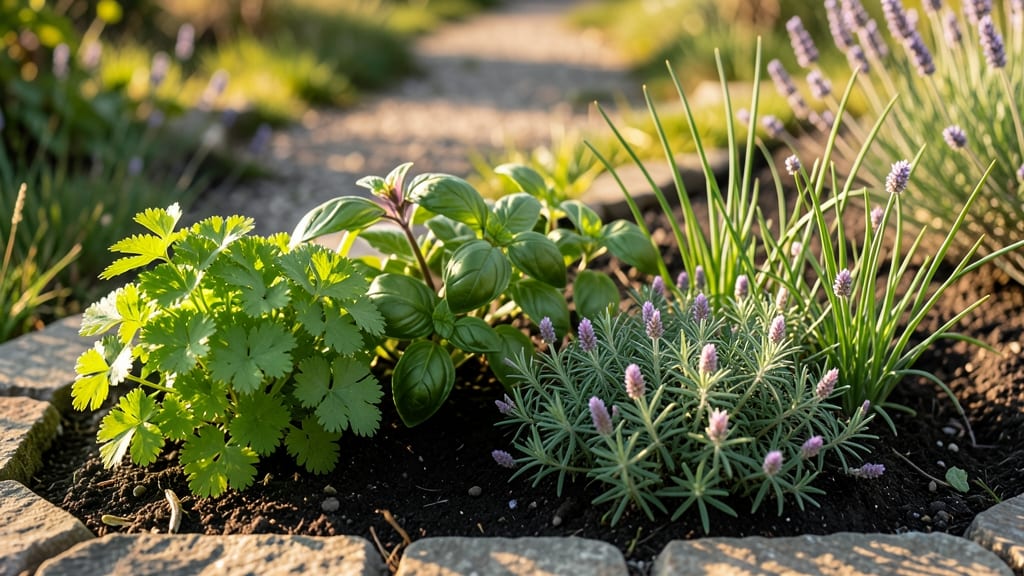
A gardener is someone who grows and maintains plants—whether flowers, vegetables, or decorative species—applying horticultural expertise to foster healthy growth, improve soil quality, and design functional or beautiful outdoor spaces. This role combines botanical science with artistic expression and hands-on maintenance.
A gardener doesn't just plant seeds and water occasionally—they act as stewards of the land, monitoring soil pH, managing pests organically, and adapting techniques to seasonal changes. 🌱 Whether working in backyard plots, urban containers, or large-scale farms, their daily tasks range from pruning overgrown branches to testing compost mixtures.
What sets them apart is the ability to blend practical knowledge with creative problem-solving, turning even challenging conditions into thriving green spaces.
Beyond the basics, modern gardeners often specialize in areas like permaculture, native plant restoration, or hydroponics, each requiring unique tools and approaches. The best ones keep learning—whether through local workshops, seed catalogs, or trial-and-error experiments in their own plots.
It's a profession that rewards patience and observation as much as technical skill.
💡 In This Article
- Core Responsibilities of a Modern Gardener
- Skills and Tools Every Gardener Needs to Master
Core responsibilities of a modern gardener
At its heart, gardening is a cycle of observation and intervention. A gardener's daily routine often begins with a soil check—using fingers to test moisture levels or a pH meter to verify acidity (ideal ranges vary: 6.0-7.0 for most vegetables, 4.5-5.5 for blueberries).
This isn't just guesswork; soil composition directly impacts nutrient uptake.
For example, tomatoes thrive in slightly acidic soil (6.2-6.8) but wilt in alkaline conditions where iron becomes unavailable. 🌱 The physical act of turning compost or mulching also introduces beneficial microbes that break down organic matter into plant-available nutrients.
Seasonal shifts demand different expertise. Spring focuses on planting schedules—calculating frost dates and last-frost averages to time seeds correctly (like planting peas 2-3 weeks before your area's last frost).
Summer shifts to pruning techniques: removing 1/3 of a plant's growth stimulates bushier growth, while deadheading spent blooms redirects energy to fruit production.
Fall becomes about soil preparation, where gardeners might till in 2-4 inches of compost to improve winter drainage, and winter turns into tool maintenance—sharpening pruners and storing equipment properly to prevent rust.
Pest management is where science meets creativity. Gardeners use integrated pest management (IPM) strategies that combine physical barriers (like row covers for cabbage moths), biological controls (introducing ladybugs for aphids), and targeted sprays (neem oil for fungal issues).
The key difference from chemical approaches is understanding threshold levels—for instance, removing 5-10% of caterpillars by hand prevents them from overwhelming a plant. This requires constant monitoring, often with a 10x magnifying glass to identify early signs of aphid colonies or powdery mildew.
Design thinking separates hobbyists from professionals. A gardener might spend hours sketching a sunlight map of their yard, noting how shadows shift between 10 AM and 2 PM—critical for positioning shade-loving plants like hostas. They calculate spacing requirements (tomatoes need 18-24 inches between plants) to prevent competition for nutrients.
Even container gardeners must account for root depth limits—a dwarf citrus tree needs a 12-inch-deep pot, while a pepper plant thrives in 8-inch containers.
What often surprises newcomers is the record-keeping aspect. Successful gardeners maintain journals tracking planting dates, weather patterns, and plant performance. For example, noting that zucchini vines produced 12 fruits in 2022 but only 8 in 2023 might reveal a soil depletion issue.
This data-driven approach turns gardening from a hobby into a predictive science, where each season builds on the last. 📝 The most rewarding gardens aren't just green spaces—they're living experiments where every season teaches something new.