
Tools
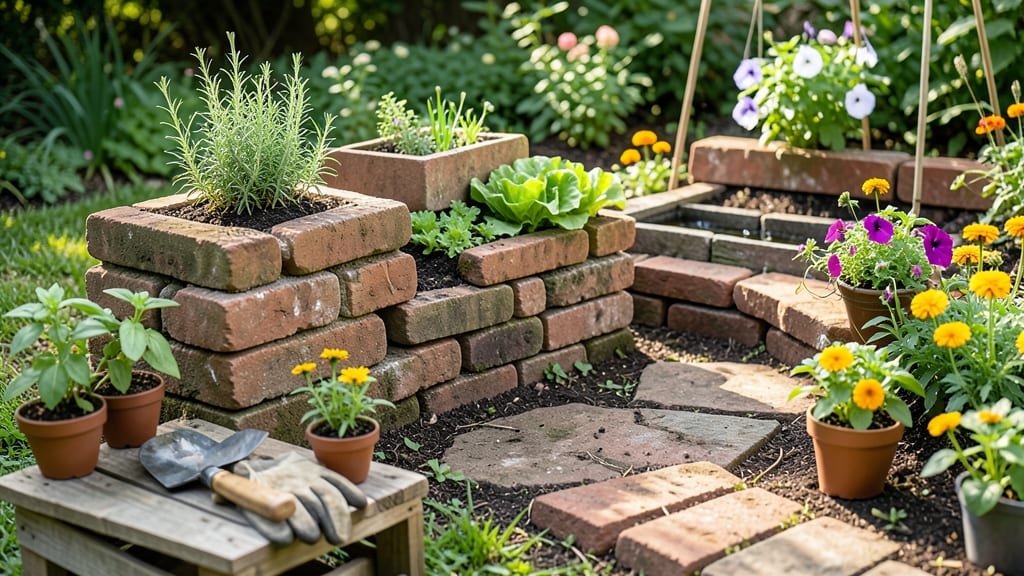
Old bricks in the garden can transform your outdoor space into a charming, functional area by creating rustic pathways, raised garden borders, or decorative plant supports that enhance both aesthetics and usability. Break them safely for smaller projects or use whole for structural elements.
You don't need to toss those old bricks—turn them into statement pieces that elevate your garden's style and function. 🔥 For instance, whole bricks can form elegant garden edging or sturdy raised beds that improve drainage while keeping plants contained.
Smaller pieces work beautifully as mosaic accents in pathways or as creative planters for trailing vines. The key is arranging them strategically: lighter-colored bricks create a bright, airy look, while darker or weathered bricks add rustic warmth.
I've seen gardeners use bricks to build vertical herb gardens or even create whimsical toad houses that double as functional decor.
Beyond aesthetics, bricks offer practical benefits like improved soil drainage in raised beds or defined planting zones that reduce weed growth. The versatility of bricks means you can mix and match projects—maybe use some for a wine barrel planter while others become a cozy seating area border.
Just remember to check for stability when stacking, especially in high-traffic areas, and consider sealing them if you're worried about moisture absorption.
💡 In This Article
- Creative Brick Garden Design Ideas
- Practical Brick Garden Projects for Functionality
Creative brick garden design ideas
Bricks transform garden spaces through their natural texture and earthy tones, creating visual interest that blends seamlessly with organic elements. The key lies in their arrangement—laying bricks in herringbone patterns adds geometric contrast to soft plant foliage, while staggered layouts create dynamic movement along pathways.
For example, a 3-inch gap between bricks allows for creeping thyme or moss to grow between them, turning a simple path into a fragrant, living carpet. The rough, uneven surfaces of aged bricks also provide excellent grip for bare feet, making them ideal for casual seating areas or meditation spots.
Vertical designs take brick repurposing to new heights—literally. A 2-foot-tall brick wall can serve as a living herb garden, with pockets created between bricks to hold soil for basil, rosemary, or chives. The bricks' natural porosity helps regulate moisture, while their thermal mass keeps roots warm during cooler evenings.
For artistic flair, break bricks into irregular shapes and arrange them like mosaic tiles around a tree base or along a fence line. The color variations in old bricks—from deep reds to faded grays—create stunning visual gradients when mixed strategically. 🌿
Stepping stones offer another creative solution, especially in areas prone to erosion. Cut bricks into 6-inch squares and embed them in gravel for a clean, modern look, or use whole bricks laid flat for a classic cottage garden vibe.
The weight of bricks helps prevent soil compaction around plants, while their elevated surfaces keep feet dry during rainy seasons. Pro tip: Paint the underside of bricks with a non-toxic sealant before installation to prevent mortar from staining the soil underneath.
Don't overlook the functional art of brick planters. Stack bricks in a pyramid shape to create a tiered display for succulents, or build a 12-inch-wide rectangular planter for trailing plants like nasturtiums.
The bricks' rough edges provide natural support for vines while their weight keeps the structure stable in windy conditions. For a whimsical touch, arrange bricks in a spiral pattern to form a miniature "brick well" planter—perfect for growing small onions or garlic.
Seasonal variations also play a role in brick design. In winter, bricks absorb and radiate heat during the day, extending the growing season for cold-sensitive plants. Their thermal properties make them ideal for creating microclimates near south-facing walls.
Meanwhile, in summer, the porous nature of bricks helps regulate temperature, keeping soil cooler for heat-loving herbs like oregano and rosemary. This dual functionality makes bricks a year-round garden asset that adapts to changing conditions. ✨
When selecting bricks for creative projects, prioritize those with consistent thickness—typically 2-3 inches—for stability. Avoid bricks with large cracks or missing chunks, as these can compromise structural integrity. For projects requiring precision, like mosaic patterns, use a rubber mallet to gently tap bricks into place, ensuring even spacing.
The beauty of brick repurposing lies in its flexibility—whether you're going for rustic charm or modern minimalism, bricks provide the perfect canvas for garden creativity.