
Tools
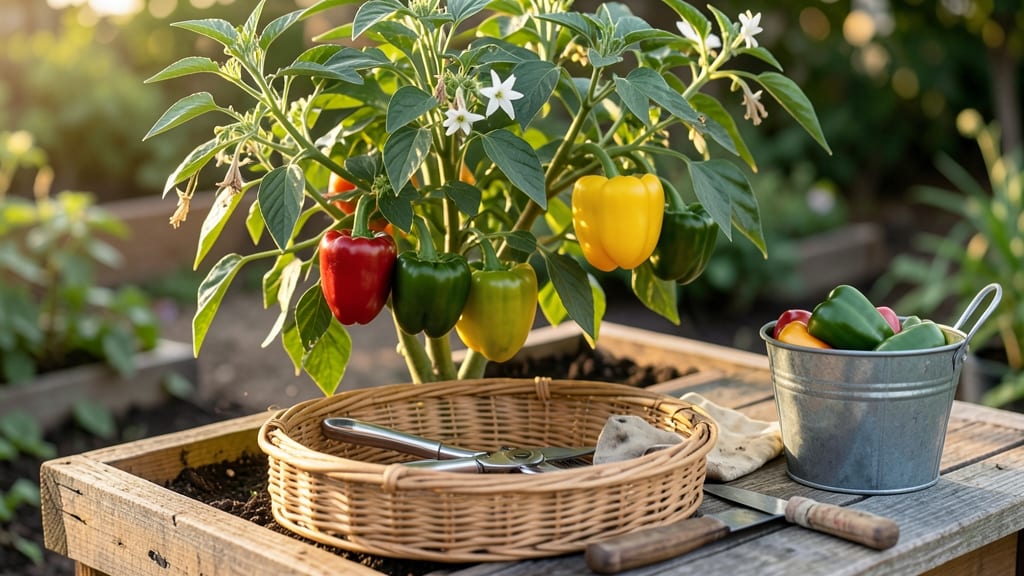
When you harvest peppers from your garden, you can preserve their freshness and flavor by freezing, drying, pickling, or fermenting them. These methods let you enjoy them later in dishes like salsas, roasted spreads, or homemade hot sauces.
Garden peppers are incredibly versatile, and knowing how to store them properly ensures you won't waste a single harvest. 🌶️ Freezing works best for bell peppers—just chop and blanch before storing in airtight bags.
Drying is perfect for hot peppers like jalapeños or habaneros, turning them into flavorful flakes for future spice blends. Pickling adds tangy crunch to sandwiches, while fermenting creates probiotic-rich hot sauces.
The key is choosing the right method based on the pepper type and how you plan to use them later.
For quick recipes, try roasting peppers with olive oil and garlic for a simple spread, or stuff them with rice and cheese for a hearty meal. These easy techniques help you use up your garden bounty without feeling overwhelmed.
The best part? You can experiment with different flavors and textures, making every harvest exciting!
💡 In This Article
- Best Ways to Preserve Garden Peppers Long-Term
- Quick and Easy Pepper Recipes for Garden Harvests
Best ways to preserve garden peppers long-term
Preserving garden peppers long-term isn't just about storage—it's about transforming their natural compounds to concentrate flavor and extend shelf life.
Bell peppers, for example, contain high levels of vitamin C that degrade over time, so freezing them after blanching at 165°F for 3 minutes locks in nutrients while preventing texture breakdown.
Hot peppers like jalapeños and habaneros, however, benefit more from drying because their capsaicin (the compound that gives them heat) becomes more concentrated as moisture evaporates. This process turns them into potent flakes perfect for spice blends.
The science behind these methods is fascinating. When you freeze peppers, ice crystals form but the cell walls remain intact if you blanch first—this prevents the mushy texture many home cooks dread.
Drying works by removing water through 120-140°F heat over 2-6 hours, depending on pepper thickness, which also triggers the Maillard reaction—those delicious browned flavors we associate with cooked peppers. Fermenting, like making hot sauce, relies on lactic acid bacteria that preserve peppers while adding probiotic benefits.
The key is matching the method to the pepper's natural properties.
Consider these practical factors when choosing a preservation method. Bell peppers, with their mild flavor, shine in freezing or pickling where their sweetness can be enhanced with vinegar or citrus. Hot peppers, on the other hand, often lose their punch when frozen but become more intense when dried or fermented.
For instance, a fresh habanero might clock in at 100,000-350,000 Scoville units, but dried habanero flakes can reach 400,000+ Scoville units—that's nearly four times the heat! This concentration makes them ideal for sauces where you want maximum impact with minimal quantity.
There are nuances to each method that can make or break your results. Freezing works best for peppers you'll cook later, as thawed raw peppers can become watery. Drying requires proper airflow to prevent mold, which is why food dehydrators or well-ventilated ovens at 135°F are ideal.
Pickling demands precise vinegar-to-water ratios (usually 1:3) to ensure safety while maintaining crunch. Fermenting needs temperature control between 65-75°F and regular monitoring to prevent harmful bacteria from taking over. Each method transforms the pepper's texture and flavor profile in distinct ways.
For visual learners, here's how the transformation works across methods:
- Freezing: Maintains color and crunch when cooked, but texture softens when thawed raw. Best for cooked dishes like stir-fries or soups.
- Drying: Creates leather-like peppers that can be crumbled into flakes. Ideal for powdered spices or rehydrated in cooking.
- Pickling: Preserves crispness and adds tangy acidity. Perfect for sandwiches or as a snack with chips.
- Fermenting: Develops complex, umami-rich flavors. Essential for hot sauces and condiments.
The beauty of preserving garden peppers is that each method unlocks different culinary possibilities. What starts as a fresh harvest can become everything from a smoky roasted spread to a fiery hot sauce, all while reducing food waste.
The right choice depends on how you plan to use them later—whether you need convenience, flavor concentration, or probiotic benefits. 💫