
Tools
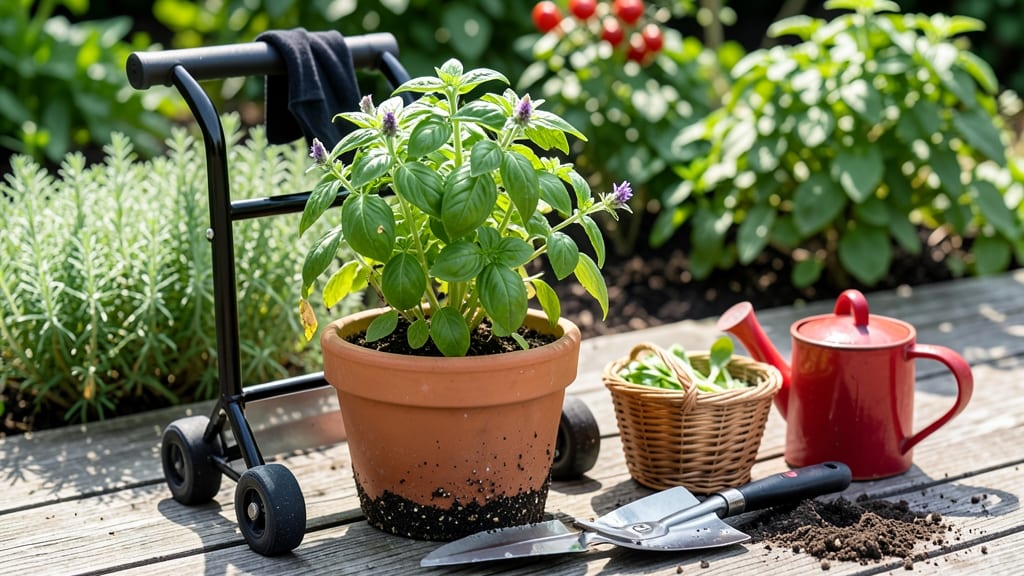
A wheeled bucket garden transforms tight spaces into productive growing areas by using movable containers that adapt to sunlight needs and harvest convenience. These systems thrive with durable buckets featuring drainage, quality soil, and plant-specific depth considerations.
A wheeled bucket garden is perfect for urban balconies or small yards where space is limited but growing ambitions aren't. 🌱 The beauty lies in their flexibility—you can rotate plants toward morning sun or afternoon shade as needed, while the casters make seasonal transitions effortless.
I've seen gardeners double their harvests by dedicating one set of buckets to leafy greens (shallow roots) and another to tomatoes (deeper containers) on the same mobile platform.
What sets these gardens apart is how they eliminate the "permanent plot" limitation. Need to move your basil closer to the kitchen window? Done in seconds. Planning to overwinter your herbs?
Roll them into a sheltered spot. The key is balancing mobility with stability—look for buckets with wide caster bases to prevent tipping while maintaining smooth movement.
💡 In This Article
- How to Select the Right Containers for a Wheeled Garden
- Best Space-Saving Layouts for Mobile Container Gardens
How to select the right containers for a wheeled garden
When choosing containers for your mobile garden, material matters more than you might think. Plastic buckets are the most popular choice because they're lightweight (typically weighing 3-5 pounds when empty) and resistant to weathering. Look for high-density polyethylene (HDPE) plastic—it won't degrade under UV exposure like thinner plastics might.
Fabric grow bags offer excellent aeration but require more frequent watering since they dry out faster, while metal containers (like galvanized steel) provide durability but can overheat in direct sun, potentially damaging roots.
The drainage system is non-negotiable—containers must have 4-6 drainage holes spaced evenly around the bottom to prevent root rot. I've found that buckets with 1-inch diameter holes work best for most herbs and greens, while deeper-rooted plants like tomatoes need containers with at least 12 inches of depth.
Pro tip: Add a layer of landscape fabric over the drainage holes to prevent soil from washing out while still allowing water to flow freely. The weight capacity also varies: a 5-gallon bucket can support up to 20-30 pounds when full, while larger 20-gallon containers should handle 50-70 pounds.
Size directly impacts plant performance. Shallow-rooted herbs like basil or cilantro thrive in 5-7 gallon containers with 6-8 inches of soil depth, while root vegetables need 12+ inches—carrots, for example, require 18 inches of depth to develop properly.
The general rule is to match container depth to the plant's mature root length plus 2-3 extra inches for soil stability. I've seen gardeners use tiered stacking systems where smaller containers sit on top of larger ones, creating a vertical space-saving solution that still maintains proper root room.
Don't overlook the caster system—it's what makes your garden truly mobile. Heavy-duty 4-inch casters with locking brakes are ideal for stability, while swivel casters make maneuvering easier in tight spaces. The casters should support the container's total weight (soil + plant) without sinking into soft surfaces.
For example, a 10-gallon container filled with moist potting mix and a mature tomato plant can weigh 40-50 pounds, so your casters need to handle that load comfortably.
I recommend testing your setup by placing the loaded container on a slight incline—if it doesn't wobble, your casters are properly sized.
Consider the container's footprint too. Wider bases (like 12-14 inches in diameter) provide better stability than tall, narrow containers, which can tip more easily. For windy areas, I suggest adding weighted bases or securing containers to a rolling frame.
The color of your containers also plays a role: darker colors absorb more heat, which can be beneficial in cooler climates but may require extra watering in hotter areas. Light-colored containers stay cooler and are easier on the eyes in bright sunlight, though they may require slightly more frequent watering.
One advanced consideration is container insulation. In cold climates, double-walled plastic containers with 1-inch air gaps can protect roots from temperature fluctuations. For tropical plants, reflective containers with aluminum inner liners can help regulate soil temperatures.
Remember that container materials conduct heat differently—metal containers can get 20-30°F hotter than plastic in direct sunlight, which might stress heat-sensitive plants like lettuce or spinach. Always monitor your plants' stress signals (yellowing leaves, stunted growth) to adjust your container choices accordingly.