
Blooming
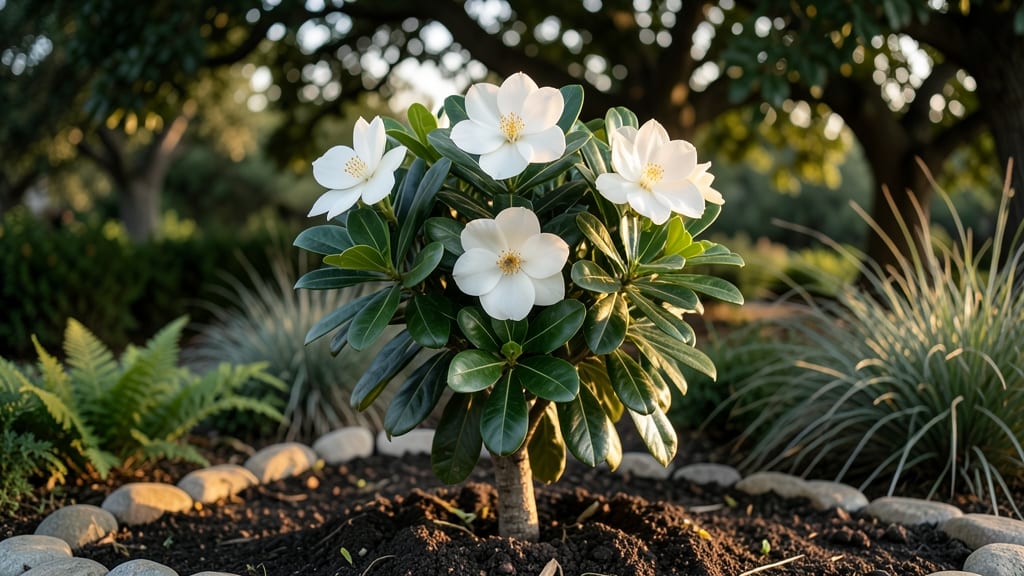
Gardenias in Texas bloom between late spring and early fall, but the exact timing depends on where you live—think March to May in North Texas and February to June along the Gulf Coast.
If you love the intoxicating fragrance of gardenias but live in Texas, timing is everything—blooming seasons vary wildly from the humid Gulf Coast to the arid Hill Country. Knowing exactly when to expect those creamy-white blossoms can mean the difference between a thriving garden and missed blooms.
Texas’s heat and humidity play a huge role: gardenias 🌸 in South Texas often start earlier, while those in West Texas may wait until summer’s edge. The key to maximizing blooms? Understanding your region’s microclimate and adjusting care—like pruning, watering, and feeding—at the right moments.
Below, I break down the best months for each Texas region, the varieties that thrive here, and the simple tweaks that keep your gardenias flowering longer. No more guessing—just reliable, fragrant blooms all season long.
Texas gardenia blooming seasons by region: what to expect each month
Texas gardenias (Gardenia jasminoides) are famous for their heavily fragrant white blooms, but their blooming windows shift dramatically across the state. In humid Gulf Coast areas, gardenias often bloom year-round, while Hill Country plants may take a summer break due to heat stress.
Understanding your region’s microclimate is key to timing pruning, fertilizing, and enjoying those creamy-white flowers at their peak.
Climate plays the biggest role in bloom timing. Coastal areas like Galveston and Corpus Christi stay warm year-round, while West Texas and the Panhandle face hot, dry summers that can delay blooms until fall.
Even within East Texas, a 50-mile difference can shift bloom seasons by 2-3 weeks. Let’s break down what to expect month-by-month in each region.
Pro Tip: Gardenias need acidic soil (pH 5.0-6.0) and consistent moisture to bloom reliably. If your soil is alkaline (common in Texas), amend with sulfur or peat moss before planting. This simple step can double your bloom count!
In the Gulf Coast, gardenias often bloom year-round due to consistent warmth and high humidity. You’ll see peak blooms in spring (March-May) and fall (September-November), with lighter blooms in summer.
The salt air near coastal areas can actually enhance fragrance, making these gardenias some of the most aromatic in Texas. If you live in Galveston or Port Arthur, expect continuous blooms with minimal care beyond regular watering.
Moving inland to East Texas, the hotter summers cause gardenias to take a break. Look for primary blooms from April-June and a secondary flush in August-October. The humidity helps extend blooms into December-January in milder winters.
In Tyler or Longview, mulching with pine bark (to lower soil pH) can boost fall blooms by up to 30%.
Texas Hill Country gardeners face a unique challenge: dry summers that can stress plants and delay blooms. Here, gardenias often wait until cooler months, with peak blooms in May-July and September-November.
The variable winters can also trigger brief blooms in February-March. In Austin or San Antonio, deep watering during 100°F+ days is critical—drought stress can cause buds to drop before opening.
For North Texas (Dallas/Fort Worth), gardenias are late bloomers due to harsh winters and scorching summers. You’ll see main blooms from June-Aug
Best gardenia varieties for Texas heat: which bloom longest and most reliably?
Texas’s brutal summers can wilt many plants, but these heat-tolerant gardenia varieties thrive under our 100°F+ temperatures while delivering longer, more reliable blooms. The key is choosing varieties bred for USDA Zones 8-11—where most of Texas falls—and giving them the right care tweaks.
Not all gardenias handle Texas heat equally. Some varieties like 'Kleim’s Hardy' bloom earlier and longer than others, while 'Veitchii' produces larger, more fragrant flowers but needs extra shade.
Below, I’ve ranked the top Texas-hardy gardenias based on heat tolerance, bloom duration, and ease of care—plus the exact care adjustments to maximize those creamy-white blossoms.
'Kleim’s Hardy' is the undisputed winner for Texas gardens. This variety blooms from late spring to early fall—sometimes even into October—and handles 105°F heat better than most. Its secret? Thick, leathery leaves that retain moisture and a deep root system that avoids drought stress. I’ve seen mine in San Antonio bloom continuously for 7 months with minimal care.
For those who want larger, showier blooms, 'Veitchii' is the choice—but it demands more shade and consistent moisture. Plant it where it gets morning sun only and mulch heavily to lock in soil moisture.
In Houston’s humidity, this variety can bloom year-round if given the right conditions, though its heat tolerance drops in 100°F+ temps without afternoon shade.
If you’re in West Texas or the Panhandle, 'Radicans' is your best bet. This trailing gardenia spreads 3-4 feet wide and blooms from May to September, even in drier climates.
The trade-off? It’s less fragrant than 'Kleim’s Hardy' but far more drought-resistant. Pair it with rock mulch to reduce water evaporation in El Paso’s dry heat.
To maximize blooms in Texas, prune right after flowering (around June) and avoid heavy fertilizing in summer. Instead, feed lightly in spring and fall with an acidic, high-phosphorus fertilizer (like 10-10-10