Fertilization
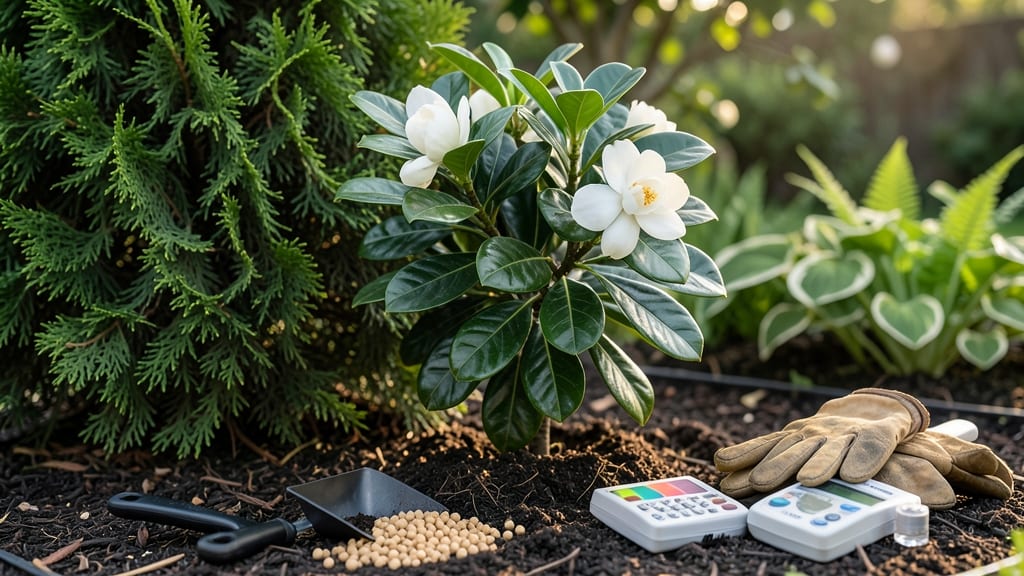
You fertilize gardenias at the right times to unlock their full blooming potential — think early spring and late summer, when new growth signals it's time to feed.
Struggling to keep your gardenias blooming year after year? The secret lies in precise fertilization timing — too early or too late can stunt growth and reduce those fragrant, glossy flowers you love.
In USDA Zone 6a, where many gardeners grow these beauties, timing matters more than the type of fertilizer you use.
Most gardeners make the mistake of feeding too soon in spring or pushing it too late in summer, which can lead to weak stems or missed blooms. The key is to fertilize when your gardenias are actively growing but before they hit their peak bloom phase.
In this guide, I’ll walk you through the exact months to fertilize, how often to do it, and what signs to watch for to know if your gardenias are getting just the right amount of nutrients.
Optimal fertilization schedule for gardenias: spring vs fall timing
Timing is everything when it comes to fertilizing gardenias. Unlike many plants, gardenias thrive on a bimodal fertilization schedule—two key feeding periods that align with their natural growth cycles. Spring kickstarts vigorous growth, while fall prepares them for dormancy.
Missing these windows can lead to fewer blooms and weaker stems.
Gardenias are acid-loving evergreens that bloom best when fertilized during active growth phases. The USDA Zone 6 (default for this guide) dictates ideal months of March-April and September-October, but adjustments are needed for warmer or cooler climates.
Understanding these cycles ensures your gardenias produce those fragrant, glossy blooms year after year.
Why these timings work: Gardenias enter dormancy-like slow growth in winter (even in mild climates) and ramp up metabolism in early spring. Fertilizing too early can burn roots in cold soil, while late-season feeding encourages tender new growth that won't survive frost.
In spring, gardenias need a light but balanced feed to avoid leaf burn. I recommend a 10-10-10 NPK ratio fertilizer applied when you see new leaves emerging—typically 2-3 weeks after last frost. This timing coincides with root flush, when gardenias absorb nutrients most efficiently.
For fall fertilization, the goal shifts to root hardening. Apply a low-nitrogen fertilizer (like 8-3-9) in late summer to encourage root development without promoting tender new growth. This prepares them for winter dormancy and ensures stronger blooms next spring.
Climate zones play a critical role. In warmer zones (8-10), gardenias may bloom year-round, so I adjust the schedule to quarterly feeding (spring, summer, fall). In cooler zones (5-6), I delay spring feeding until after May 15th to prevent frost damage to new shoots.
Pro tip: Always water deeply before and after fertilizing to prevent root burn. I use a moisture meter to confirm soil is evenly damp—gardenias hate soggy roots but need consistent moisture. For potted gardenias, reduce fertilizer by half since roots have less soil volume to absorb nutrients.
Over-fertilizing is a common mistake. Yellow leaves or burnt tips signal excess salts. If this happens, flush the soil with water and reduce feeding frequency. For organic gardeners, I recommend compost tea or fish emulsion in spring, followed by bone meal in fall for phosphorus.
Remember: Less is more with gardenias. Their delicate blooms and glossy foliage are signs of balanced care—not excessive feeding. Stick to the spring-fall schedule, adjust for your zone, and your gardenias will reward you with months of fragrant blooms.
Signs your gardenias need fertilizer (and when to avoid it)
Your gardenias send clear signals when they're hungry for nutrients. Yellowing leaves, especially between veins, often mean nitrogen deficiency, while small, sparse blooms or no flowers at all can signal a need for phosphorus.
Even stunted new growth is a red flag that your plants aren't getting the right balance of nutrients.
I always check for these signs before reaching for the fertilizer. Gardenias are heavy feeders, but they're also sensitive to over-fertilization, which can burn roots or lead to excessive foliage at the expense of blooms. The key is reading your plants' language before they become stressed.
Don't fertilize when your gardenias show signs of leaf scorch or wilting—these could indicate other issues like underwatering or disease. Always address watering and pest problems first before adding fertilizer to the mix.
Never fertilize during these critical periods:
- Dormant season (Nov–Feb) – Gardenias rest in cooler months
- Extreme heat (90°F+) – Burns roots and stresses plants
- After recent transplanting (first 4–6 weeks) – Roots need time to establish
- During flowering peak (June–July) – Can reduce bloom quality
Pay attention to your gardenias' growth patterns—healthy plants should show 2–4 inches of new growth each spring. If growth is slower than usual or leaves appear pale green, it's time to feed.
I also watch for bud drop, where buds form but fall off before opening, which often means calcium or boron deficiency.
For container gardenias, check the soil every 2–3 weeks during growing season. If roots circle the pot or soil dries out quickly, your plant is likely nutrient-starved. Potted gardenias need more frequent feeding—every 3–4 weeks in spring and summer—because nutrients leach out faster.
Remember, over-fertilizing is just as harmful as under-fertilizing. If you see dark green leaves with yellow tips or white crust on soil surface, flush the soil with water immediately and hold off on feeding for 2–3 months to let roots recover.
When in doubt, do a simple soil test before fertilizing. Gardenias thrive in acidic soil (pH 5.0–6.0), and adjusting pH often solves more problems than adding fertilizer. A quick test kit costs less than $10 and can save you from overfeeding.