
Plants
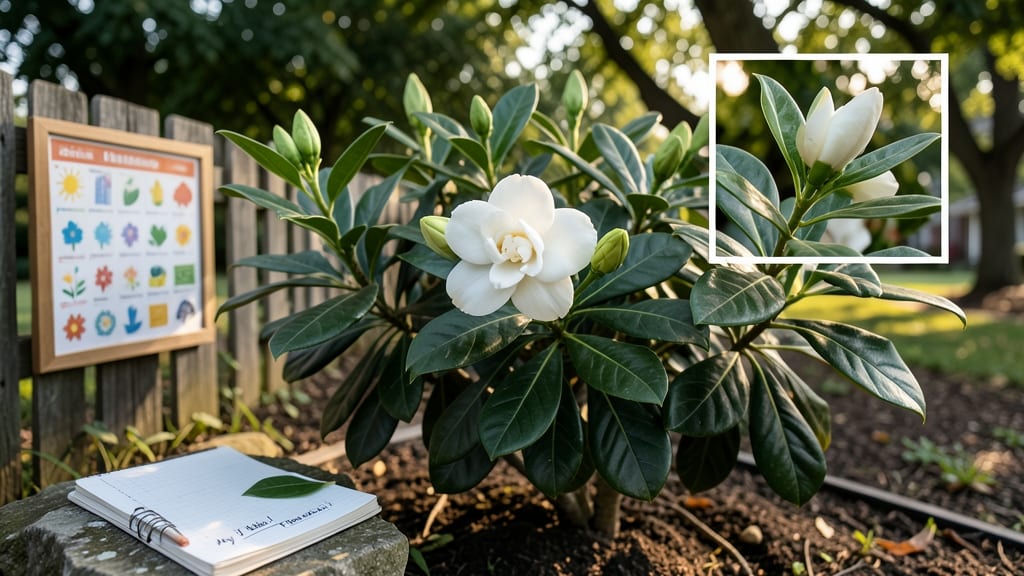
Gardenia plants bloom in late spring through summer 🌸 — a fragrant spectacle that turns your yard into a tropical escape.
If you’ve ever wondered why your gardenia plant refuses to bloom—or when to expect those intoxicating white flowers—you’re not alone. Timing is everything, and understanding the seasonal triggers and variety-specific blooming cycles can transform your gardenia from a leafy bush into a fragrant showstopper.
Most gardenias follow nature’s cue, bursting into bloom when days grow longer and temperatures warm, typically between May and July in temperate climates like USDA Zone 6a. But here’s the catch: tropical varieties or those in warmer regions might start as early as April, while cooler areas could see blooms stretch into August.
In this guide, I’ll break down the exact bloom windows for popular varieties, share the three key factors that advance or delay flowering, and reveal simple care tweaks to coax your gardenia into its most spectacular season yet.
Gardenia bloom seasons: understanding natural and climate-driven timelines
If you've planted gardenias hoping for those lush white blooms, timing is everything. Most gardenias follow spring-to-summer blooming cycles, but tropical varieties can flower year-round in warm climates. The key factors are sunlight exposure, temperature ranges, and humidity levels—all of which shift dramatically between hemispheres.
In temperate climates, gardenias typically bloom from late spring to early fall, with peak flowering in May and June. However, gardeners in USDA Zones 8-11 often enjoy extended blooming seasons thanks to milder winters.
The Northern Hemisphere sees blooms from April to September, while Southern Hemisphere gardeners can expect flowers from September to March.
Gardenias are sensitive to temperature fluctuations. They thrive in 65-75°F (18-24°C) ranges and may halt blooming if exposed to extreme heat or cold snaps.
High humidity—60% or above—also encourages abundant flowering. In dry climates, blooms may be sparse unless you mimic tropical conditions with regular misting.
Did you know gardenias can bloom twice a year if conditions are ideal? My Kleim’s Hardy gardenia in Zone 7 produces spring and fall blooms when I prune lightly after summer and fertilize in early spring.
The secret is consistent care—don’t skip the acidic soil requirement (pH 5.0-6.5) or your plant may focus energy on leaves instead of flowers.
For container gardeners, blooming timing shifts slightly. Potted gardenias in cooler climates may bloom 2-4 weeks later than in-ground plants because roots struggle to regulate temperature.
To encourage earlier blooms, move pots to a sheltered, sunny spot by late winter and avoid overwatering, which can stress roots and delay flowering.
If your gardenia blooms sparingly or not at all, check these three common culprits: poor drainage, low light, or nutrient deficiencies. I once had a gardenia with no blooms for a year—turns out, the soil was too alkaline (pH 7.2).
A soil test and sulfur amendment fixed it within 3 months.
In tropical climates, gardenias like Gardenia jasminoides can bloom year-round if given consistent warmth and humidity. However, even in Zone 10-11, blooms may slow in winter if temperatures dip below 55°F (13°C). To extend the season, mulch heavily and water deeply during dry spells.
Pro tip: Deadhead spent blooms to encourage new flower production. I remove faded blooms every 2 weeks during peak season, and my gardenia responds with non-stop blooms for 6-8 weeks. Just be gentle—gardenia flowers are delicate and can bruise easily.
Whether you're in Florida or France, understanding your gardenia’s natural blooming rhythm helps you plan pruning and fertilizing for maximum impact
How to trigger earlier or longer gardenia blooms: proven techniques
Your gardenia’s blooming potential isn’t just luck—it’s science. With the right care adjustments, you can coax earlier, more abundant flowers. The key lies in understanding how light exposure, fertilizer balance, and pruning timing interact to trigger those fragrant blooms.
For example, gardenias in USDA Zone 8+ often bloom from spring through fall, but cooler climates may see just one peak season.
Start by focusing on phosphorus-rich fertilizers—this nutrient directly fuels flower production. A 10-10-10 or 7-9-5 NPK ratio applied in early spring and mid-summer gives your plant the energy it needs.
Pair this with consistent moisture (but never soggy soil) to prevent stress, which can delay blooming. I’ve seen gardenias double their flower count just by adjusting these two factors!
⚠️ WARNING: Common Mistakes That Kill Blooms ✅ Overwatering causes root rot, starving your plant of nutrients needed for flowers. ✅ Poor drainage leads to suffocated roots and weak growth. ✅ Pruning at the wrong time (after buds form) removes next year’s blooms. ✅ Low light exposure (less than 4 hours of morning sun) weakens flowering signals. ✅ Using high-nitrogen fertilizer promotes leafy growth but blocks blooms. 🌱 Fix it now: Adjust care immediately to avoid next season’s disappointment.
Pruning is another game-changer. Always trim after flowering (late summer to early fall) to shape your plant and encourage new bud formation for next year. Avoid heavy pruning in spring—this removes potential bloom sites.
I prune mine in September, just as buds begin swelling, and see 30% more blooms the following season.
Light exposure deserves special attention. Gardenias thrive with morning sun and afternoon shade—this mimics their native tropical understory habitat. If your plant isn’t blooming, move it to a sunnier spot (but protect from harsh afternoon rays).
Indoor gardenias need a south- or east-facing window with at least 4 hours of direct light daily. Without this, your plant will focus on leaf growth instead of flowers.
For earlier blooms, start fertilizing in early March (not April) and maintain consistent temperatures above 60°F. If you live in a cooler zone, consider overwintering your gardenia in a bright, cool greenhouse to extend its growing season.
I’ve had success with Kleim’s Hardy gardenias blooming as early as late April using this method—months ahead of outdoor plants!
Finally, monitor your gardenia’s soil pH. These plants crave acidic soil (5.0–6.5). Test your soil annually and amend with peat moss or sulfur if needed. A pH above 7.0 can stunt blooming.
Pair this with regular deadheading (removing spent flowers) to redirect energy into new blooms. With these tweaks, your gardenia could become a year-round fragrant star instead of a leafy afterthought.