Fertilization
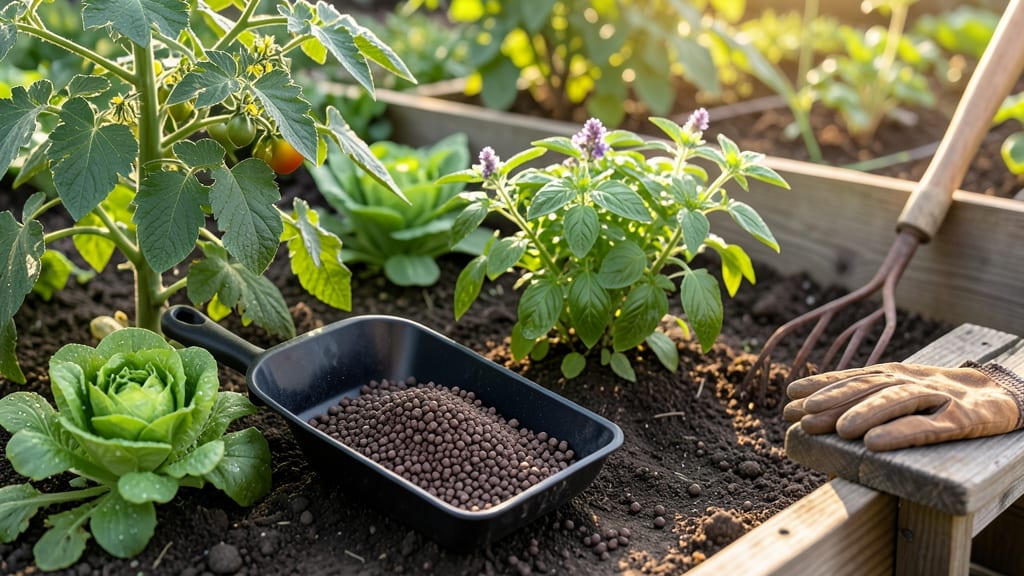
You should fertilize your garden at the right times to fuel growth, not just when it looks like your plants need a boost.
Timing matters more than you might think—apply fertilizer too early, and you’ll waste nutrients; too late, and your plants won’t reach their full potential. The key is syncing feeding with your garden’s natural cycles, whether that’s the first flush of spring growth or the peak of summer blooms.
Get it right, and you’ll see stronger roots, bigger harvests, and fewer struggles with nutrient deficiencies.
In this guide, I’ll break down the best times to fertilize based on plant type, season, and even your local climate. You’ll learn when to kickstart growth in early spring, how to support heavy feeders like tomatoes and peppers, and why skipping fertilizer in winter might actually save your plants.
No more guesswork—just a clear, seasonal schedule tailored to your garden’s needs.
Ready to turn your soil into a powerhouse? Let’s dive into the science (and simplicity) of fertilizing on a timeline that works for your plants—and your schedule.
Seasonal fertilizing schedule: when to feed plants for maximum growth
Fertilizing your garden at the right time can transform weak plants into thriving powerhouses. But timing matters—too early or too late, and you’ll waste nutrients or stress your plants.
For example, cool-season vegetables like lettuce and broccoli need a spring kickstart, while summer bloomers like tomatoes and roses crave mid-season feeding. Even lawns follow different rules, needing more frequent feeding than perennials.
Let’s break it down by season and plant type so you never fertilize at the wrong moment again.
Your climate zone plays a huge role. In USDA Zone 6a (like much of the Midwest), last frost typically arrives around April 15, signaling the start of active growth. This is your cue to wake up dormant plants with a balanced fertilizer (like 10-10-10).
Meanwhile, in warmer zones, you might fertilize earlier or later. The key is aligning feeding with your plants’ natural cycles—not a one-size-fits-all approach.
Here’s your month-by-month cheat sheet for fertilizing vegetables, flowers, and lawns, tailored to Zone 6a. Adjust for your zone by shifting dates 2-4 weeks earlier or later based on frost dates.
| Month | Vegetables | Flowers | Lawns | Notes |
|---|---|---|---|---|
| March | Light feed (cool-season crops: lettuce, spinach) | None (dormant) | Light pre-emergent (if needed) | Focus on soil prep—add compost. |
| April | Full feed (tomatoes, peppers, herbs) | Light feed (bulbs like tulips) | First nitrogen-rich feed | Avoid high-phosphorus fertilizers now. |
| May | Feed again (side-dress corn, squash) | Bloom booster (roses, petunias) | Second feed (high nitrogen) | Water deeply after fertilizing. |
| June | Light feed (fruit-bearing plants) | Maintenance feed (every 4 weeks) | Light feed (avoid over-fertilizing) | Use slow-release fertilizers. |
| July | Potassium boost (tomatoes, peppers) | Bloom booster (annuals) | None (unless thin and patchy) | Watch for burn—reduce if leaves yellow. |
| August | Light feed (fall crops: kale, carrots) | None (prep for dormancy) | None (slow growth in heat) | Stop fertilizing 6 weeks before frost. |
| September | Full feed (cool-season crops) | None (perennials only if needed) | Light feed (fall lawn repair) | Phosphorus-rich for root growth. |
| October | None (harvest or mulch) | None (protect bulbs) | None (winterize) | Focus on mulching for winter. |
| November-February | None (dormant season) | None (dormant season) | None (dormant season) | Plan spring soil tests now. |
Let’s dive deeper into why these timings work. In early spring, plants wake up from dormancy and need nitrogen to build leaves. That’s why I feed cool-season vegetables like spinach and peas in March, even if they’re still small.
For warm-season crops like tomatoes and peppers, wait until soil temps hit 60°F—usually late April or May in Zone 6a—before fertilizing. This prevents root shock.
Summer is all about blooms and fruits. Flowers like roses and petunias need a phosphorus boost (look for a 5-10-10 ratio
Signs your garden needs fertilizer (and when to skip it)
Your garden sends clear signals when it’s hungry for nutrients—you just need to know what to look for. Yellowing leaves, especially on older foliage, often mean your plants are nitrogen-deficient.
But here’s the catch: not all yellow leaves signal fertilizer needs. Drought stress or overwatering can cause similar symptoms, so check soil moisture first. If the leaves feel crispy or the soil is bone-dry, watering—not fertilizing—is your first fix.
Another red flag is stunted growth or small, pale new leaves. These are classic signs your plants aren’t getting enough nutrients to fuel their expansion. But before reaching for the fertilizer, consider whether your plants are struggling due to root-bound containers or poor soil drainage.
Sometimes, a simple transplant or soil amendment (like compost) can work wonders without any extra fertilizer.
Poor blooms or fruits that drop before ripening are also strong indicators your garden needs a nutrient boost—specifically, phosphorus for flowering and potassium for fruiting.
However, if your plants are already laden with buds but failing to produce, the issue might be overcrowding or inconsistent watering, not a lack of fertilizer.
⚠️ When Should You Fertilize Your Garden?
Fertilize when plants show active growth signs (new leaves, buds) and soil is moist. Skip fertilization if plants are dormant (winter), stressed by drought, or recovering from transplant shock. Always fertilize in early morning to prevent leaf burn.
One of the biggest mistakes gardeners make is fertilizing during drought conditions. When soil is dry, nutrients can’t dissolve properly, leading to fertilizer burn instead of nourishment. Always water your garden thoroughly before and after applying fertilizer to help nutrients absorb into the soil.
If your area is experiencing a heatwave, hold off on fertilizing until regular rainfall returns.
Winter is another time to skip fertilizer entirely. Most plants enter a dormant phase in cold months, meaning they’re not actively growing or absorbing nutrients. Fertilizing dormant plants can actually weaken their roots and make them more susceptible to frost damage.
Instead, focus on mulching and soil preparation to give your garden a head start when spring arrives.
Finally, don’t ignore the type of fertilizer you’re using. A high-nitrogen fertilizer (like blood meal) is great for leafy greens but will overstimulate flowering plants. For vegetables like tomatoes and peppers, opt for a balanced 10-10-10 or a phosphorus-rich formula to encourage fruiting.
Always match the fertilizer to your plants’ current needs and growth stage.
By tuning into your garden’s signals and fertilizing at the right times, you’ll avoid wasted nutrients, healthier plants, and a more productive harvest—without the guesswork. Pay attention, and your garden will thank you with vibrant growth and bountiful yields. 🌱