
Planting
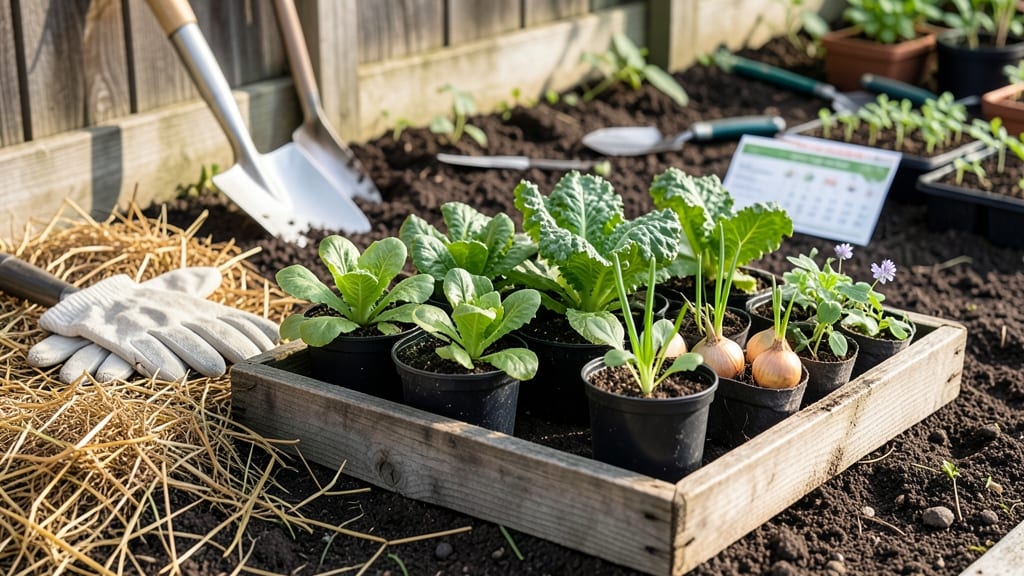
Planting a garden in Ohio at the right time means the difference between a lush harvest and a wasted season—and the window is narrower than you might think.
Ohio’s unpredictable frost dates can turn a thriving garden into a frozen disappointment—or a bountiful harvest—depending on when you plant. Timing isn’t just about avoiding frost; it’s about matching each crop to Ohio’s unique microclimates and soil conditions.
In USDA Zones 6a/6b, most gardeners should start cool-season crops like lettuce and peas in early March, while warm-season favorites like tomatoes and peppers wait until after the last frost date—typically mid-April in southern Ohio but closer to late May in the north.
Below, I break down the exact planting schedule for Ohio’s top vegetables, herbs, and flowers, plus how to adjust for late frosts or early heatwaves so you never miss a season.
Ohio’s frost dates and planting zones: when to start seeds indoors vs. outdoors
Ohio’s frost dates vary dramatically across its USDA Zones 5-7, creating a gardening puzzle that’s equal parts challenge and opportunity. In Northern Ohio (Zone 5), gardeners face late spring frosts until mid-May, while Southern Ohio (Zone 7) may see frost-free conditions by early April.
This regional divide means your tomato seedlings in Columbus might need 6 weeks indoors before transplanting, while those in Cincinnati could go straight into the garden by late March.
Understanding these microclimates is key to avoiding frost damage or wasted effort. For example, peppers and eggplants—which need warm soil temperatures—require indoor starting 8-10 weeks before your last frost date.
Meanwhile, cold-hardy crops like lettuce and radishes can often be direct-sown weeks before warm-season plants even think about going outside.
Here’s the critical timeline you need to know, broken down by Ohio’s three main regions and USDA Zones. Use this summary-table as your gardening GPS to navigate Ohio’s frost-free windows with confidence.
Let’s break down why these timelines matter. In Northern Ohio (Zone 5), where last frosts can linger until mid-May, tomato seeds must start indoors by early March to give them enough time to mature before summer’s end.
Meanwhile, Southern Ohio gardeners (Zone 7) can afford to start pepper seeds in late January and transplant by mid-April, thanks to their earlier frost-free windows.
For direct-sown crops like lettuce and radishes, the rules are simpler: plant them 4-6 weeks before your last frost date. In Central Ohio (Zone 6), that means late March for these cold-hardy greens.
But here’s the trick—succession plant every 2 weeks for a continuous harvest, since radishes mature in just 30 days.
Don’t overlook fall planting, either. Ohio’s first frosts typically arrive between mid-October (Zone 5) and early November (Zone 7). This means you can still direct-sow cold crops like spinach and kale in late August for a winter harvest.
Just calculate 60-90 days before your first frost to determine your fall planting window.
Pro tip: Use frost cloth or row covers to extend your growing season by 2-4 weeks in spring or fall. This is especially useful in Zone 5, where late frosts can strike even after Memorial Day. For example, I’ve used frost cloth to protect broccoli seedlings in early May and still gotten a full harvest before summer heat sets in.
Finally, soil temperature is just as critical as air temperature. Most warm-season crops need soil at 50°F or warmer to thrive. Use a soil thermometer to check—cold soil can stunt growth even if the air feels warm.
In Northern Ohio, this often means waiting until late May for tomatoes and peppers, even if the frost date has passed.
Mastering Ohio’s frost dates and planting zones takes practice, but with this region-specific guide, you’ll avoid the common pitfalls of frost-killed seedlings or bolting greens. Start with
Best planting schedule for Ohio’s most popular vegetables and herbs
Ohio’s gardening season is short but sweet—getting your tomatoes, zucchini, and herbs in the ground at the right time ensures a harvest before the first frost. For warm-season crops, wait until after your region’s last frost date (mid-April in southern Ohio, late May in the north).
Meanwhile, cool-season crops like spinach and kale thrive when planted in early spring or late summer for a fall harvest.
Here’s my foolproof schedule for Ohio’s top 15 vegetables and herbs, including succession planting tips to maximize your garden’s potential. Whether you’re a beginner or a seasoned gardener, these timelines will help you avoid common mistakes like planting too early or missing the window for fall crops.
🌱 Ohio Planting Schedule Highlights
- Early March: Start cool-season crops like peas, spinach, and lettuce indoors or sow directly outdoors under frost cloth. Onion sets can go in the ground too.
- Mid-April (South Ohio) to Late May (North Ohio): Plant warm-season crops like tomatoes, peppers, and cucumbers after the last frost. Use row covers if nights are still chilly.
- Late May to Early June: Direct-sow beans, squash, and corn—these tolerate warmer soil. Succession plant bush beans every 2 weeks for continuous harvests.
- Early August: Begin fall planting for cool-season crops like broccoli, cabbage, and kale. These thrive in cooler weather and can handle light frosts.
- September: Plant garlic and strawberries for next year’s harvest. Add herbs like parsley and cilantro for a late-season boost.
- October (if mild): Sow spinach, radishes, and green onions for a quick winter harvest before the first hard frost.
- Year-round: Perennials like asparagus and rhubarb can be planted in early spring or fall, while strawberries benefit from a June planting for better root establishment.
For succession planting, focus on crops like lettuce, radishes, and bush beans. These grow quickly, so sow new seeds every 2–3 weeks to keep your harvests coming.
For example, if you plant radishes in early April, follow up with another round in mid-May and late June for a continuous supply.
Ohio’s herbs like basil, dill, and parsley also have specific timing needs. Basil, for instance, should wait until after the last frost and thrive in full sun. Meanwhile, parsley is a cool-season herb that can handle light frosts, making it ideal for early spring or fall planting.
Don’t forget about fall planting—it’s just as important as spring! Crops like kale, carrots, and brussels sprouts actually sweeten when exposed to light frosts. Plant these in early August for a harvest in October or November, depending on your region.
Pro tip: Use mulch to extend your growing season. A thick layer of straw or leaves around cool-season crops can protect them from early frosts, while black plastic mulch warms the soil faster for warm-season crops like tomatoes and peppers.