
Container Gardens
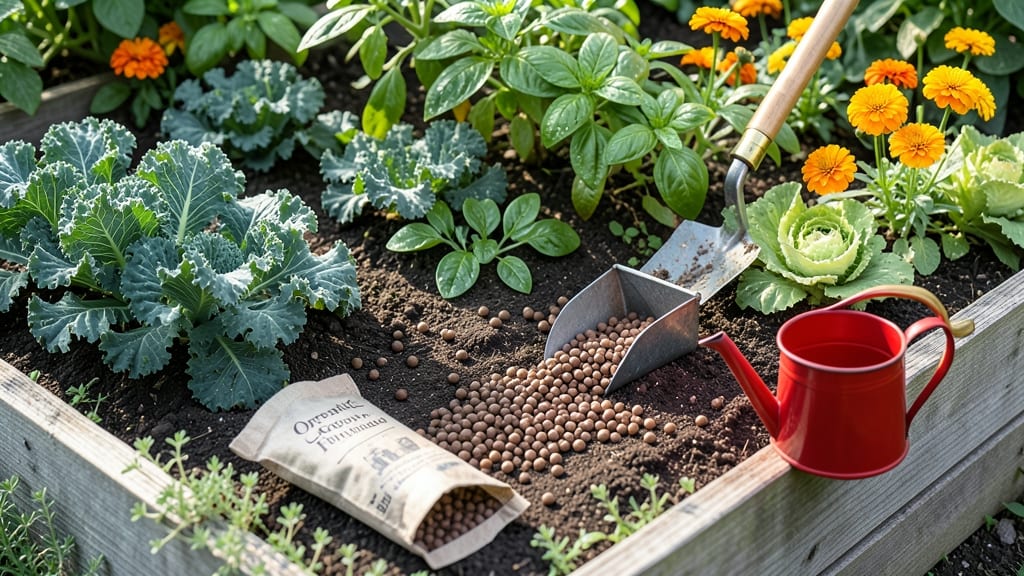
To add fertilizer to your garden, time it based on soil test results and plant growth stages—cool-season crops thrive with early spring or late winter applications, while warm-season plants need pre-planting or mid-season feeding. Soil test recommendations are your best guide to prevent over-fertilizing.
Timing matters because plants absorb nutrients differently at various growth stages. 🌱 For cool-season crops like lettuce or spinach, applying fertilizer in early spring or late winter gives them the boost they need to establish strong roots before summer heat.
Warm-season plants, such as tomatoes or peppers, benefit from fertilizer right before planting or when they start flowering—this supports both root development and fruit production. I always check my soil test results first, as they reveal any deficiencies or excesses that need addressing before adding anything extra.
Another key factor is the type of fertilizer you use. Organic options like compost or manure break down slowly, making them ideal for pre-planting applications, while synthetic fertilizers release nutrients quickly and work better for mid-season boosts.
For container gardens, I recommend a balanced fertilizer every 4-6 weeks during the growing season, but always adjust based on what your plants are telling you through their growth patterns.
💡 In This Article
- Best Fertilizer Timing Based on Soil and Plant Needs
- Step-by-Step Guide to Fertilizing by Plant Type
Best fertilizer timing based on soil and plant needs
Soil temperature is the hidden clock that determines when plants can effectively use fertilizer. Most cool-season crops like broccoli or kale need nutrients when soil temps reach 40-50°F, which typically happens in early spring or late winter.
At these temperatures, microbial activity ramps up, breaking down organic matter and making nutrients available. Warm-season plants like cucumbers or squash, however, require soil temps above 60°F before they can absorb fertilizer efficiently—otherwise, you're just wasting money on nutrients that won't be utilized.
The plant's growth stages dictate fertilizer needs like a recipe timeline. During the vegetative stage (leaf and stem growth), plants crave nitrogen-rich fertilizers (like 10-10-10) to build structure.
When they transition to flowering/fruiting, phosphorus and potassium become critical—think of it like giving them a pre-game shot before the big event. For example, tomatoes need a phosphorus boost when they start flowering to develop strong fruit clusters.
Soil pH also plays a role: most plants prefer 6.0-7.0 pH, but acid-loving blueberries need 4.5-5.5—so adjust fertilizer types accordingly.
Seasonal timing varies dramatically by climate zone. In Zone 5, I apply fertilizer to cool-season crops in March-April and switch to warm-season feeding in May-June after the last frost.
In warmer climates like Zone 9, you might fertilize twice yearly—once in February-March for early crops and again in August-September for fall planting.
The key is matching fertilizer application to when plants are actively growing, not just when it's convenient for you. 🌿 Over-fertilizing in dormant seasons can actually burn roots or leach into groundwater.
Organic fertilizers like compost or worm castings release nutrients gradually, making them ideal for pre-planting applications. Their slow release matches natural plant uptake patterns, reducing the risk of nutrient runoff. Synthetic fertilizers, however, dissolve quickly—perfect for mid-season boosts when plants need immediate nutrients, like during tomato flowering.
For container gardens, I use a balanced 5-5-5 fertilizer every 4-6 weeks during active growth, but halve the dose in winter when growth slows dramatically.
Don't ignore the signs your plants give you. Yellowing leaves often signal nitrogen deficiency, while weak stems may indicate phosphorus needs. For trees, I follow a three-stage approach: light feeding in spring, heavier application when buds form, and a final boost after harvest.
The goal is to mimic nature's nutrient cycles—just as fallen leaves decompose to feed the soil, we're providing a concentrated version of that process. 🌳 This approach builds long-term soil health while meeting immediate plant needs.
One common mistake is fertilizing right after planting. Roots need time to establish before they can handle nutrient uptake—wait 2-3 weeks after transplanting before applying anything. Also, avoid fertilizing stressed plants (like those recovering from drought or pests) as it can further weaken them.
Always water thoroughly after applying fertilizer to help nutrients penetrate the soil and prevent leaf burn from salt buildup on foliage.