Fertilization
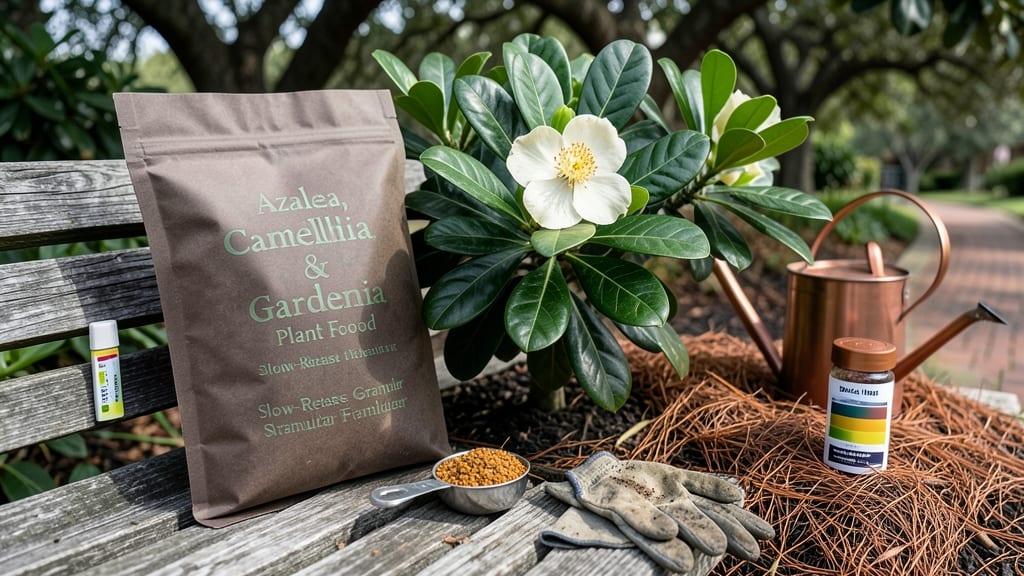
Fertilizing gardenias in Georgia at the right time—spring and early fall—is the secret to those fragrant, glossy blooms you’ve been dreaming of. 🌸
Picture this: You’ve just planted your gardenia in Georgia’s 7b-8b climate, and it’s thriving—until the blooms fizzle out or the leaves turn yellow. That’s your plant screaming for nutrients, but not at the wrong moment.
Too early, and you’ll burn the roots; too late, and you’ll miss the blooming window entirely.
Here’s the deal: Gardenias in Georgia need a two-step feeding schedule—once in spring to kickstart growth and again in early fall to prep for winter. But timing isn’t just about months; it’s about soil temperature, rainfall, and even whether you’re in coastal or Piedmont Georgia.
Skip the guesswork and learn the exact cues to fertilize.
Inside, you’ll find the month-by-month breakdown of when, what, and how much to feed your gardenias—plus how to spot over-fertilization before it’s too late. Let’s get those blooms back on track.
Optimal Georgia fertilizing schedule: spring & fall timing for maximum blooms
Georgia’s humid subtropical climate creates ideal conditions for gardenias—but only if you fertilize at the right times. Spring and fall are the powerhouse seasons for feeding these acid-loving shrubs, with coastal areas (Zone 8a) having a slightly extended window compared to the Piedmont (Zone 7b).
The key? Aligning fertilizer with soil warmth (60°F+) and rainfall patterns to prevent nutrient runoff.
Gardenias thrive when fertilized pre-bloom in spring to fuel flower production and post-bloom in fall for root recovery. However, Georgia’s summer heat waves and winter dormancy demand precise timing—miss the window, and you’ll either burn roots or stunt growth. Let’s break down the science-backed schedule tailored to your region.
In coastal Georgia, where winters are milder, you can extend your fall feeding into early October. The warmer soil temperatures allow gardenias to absorb nutrients longer, but avoid fertilizing after October 15—this gives roots time to harden before November’s first frost.
In the Piedmont, cooler nights mean you’ll need to finish by mid-September to prevent tender new growth from frost damage.
Your fertilizer choice also affects timing. Synthetic fertilizers (like 8-3-9 blends) release nutrients quickly, so apply them early in the season (March) when gardenias are actively growing. Organic options (compost, peat moss) break down slower—ideal for June light feedings when heat slows absorption.
Pro tip: Mix iron chelates into your spring feed to prevent yellowing leaves, a common Georgia issue caused by calcium buildup in acidic soils.
Rainfall is the wildcard in Georgia’s fertilization schedule. After applying fertilizer, water deeply (1-2 gallons per plant) to activate nutrients, but avoid fertilizing during heavy downpours—the nutrients will wash away.
In drought-prone Piedmont summers, switch to liquid fertilizers applied to moist soil to ensure uptake. Coastal gardeners can use slow-release pellets thanks to more consistent rainfall.
One critical mistake Georgia gardeners make? Fertilizing during summer’s peak heat (July-August). The 100°F+ temperatures shock gardenias, causing leaf scorch and root burn. Instead, plan a light feeding in June using half-strength fertilizer, then pause until fall. This mimics their natural growth cycle—slow in summer, recovering in fall.
For potted gardenias, adjust your schedule by 2-3 weeks earlier since containers heat up faster. Fertilize coastal potted plants in February and Piedmont pots in late March, then follow
Signs your gardenia needs fertilizer (and when to skip it)
Your gardenia’s leaves turning yellow or dropping prematurely aren’t just signs of age—they’re nutrient deficiency red flags. In Georgia’s humid heat, gardenias often show stress when soil nutrients deplete faster than expected.
But here’s the catch: Not all yellow leaves mean fertilizer time. Over-fertilizing can burn roots and cause even worse problems.
Start by checking the leaf color pattern. Bright yellow leaves with green veins often signal iron deficiency, while dull, pale green foliage may mean nitrogen shortage.
Weak stems or sparse blooms also scream for nutrients, but only if your plant isn’t already struggling from root stress or drought.
⚠️ callout-warning ⚠️
🚨 Georgia Gardener Alert: When NOT to Fertilize
- Drought conditions: Fertilizer burns roots faster in dry soil.
- Extreme heat (90°F+): Plants can’t absorb nutrients efficiently.
- Post-bloom decline (July-August): Gardenias enter natural rest phase.
- Winter dormancy (November-February): No feeding—roots are inactive.
Pro tip: Test soil moisture first—stick your finger 2 inches deep. If dry, water before fertilizing.
Seasonal cues are your best guide. After winter dormancy (late February), your gardenia wakes up hungry—this is prime time for a light feed to kickstart growth. Look for new buds forming but not yet blooming; that’s your signal to fertilize.
In early fall (September), if leaves start yellowing again post-bloom, it’s likely a potassium deficiency—time for a final feed before winter.
Watch for over-fertilization signs too: Brown leaf edges, crispy foliage, or roots that appear blackened or mushy when checked. These mean you’ve overdone it with nitrogen.
In Georgia’s heat, synthetic fertilizers can burn roots in as little as 48 hours, so always follow the "half-and-half" rule: Use half the recommended dose and monitor for 2 weeks.
For organic gardeners, coffee grounds or composted pine needles (both acidic) are great, but apply them only in spring. In summer, focus on watering deeply (1-2 gallons per plant) to help roots access existing nutrients.
If your gardenia’s blooms are small and sparse despite proper watering, it’s time for a balanced 6-6-6 fertilizer in early June.
Remember: Georgia’s coastal areas (like Savannah) need more frequent feeding due to faster nutrient leaching in sandy soils, while Piedmont regions (Athens area) can often wait until mid-April for that first spring boost. Always adjust based on your plant’s specific stress signals, not just the calendar. 🌿