Picking
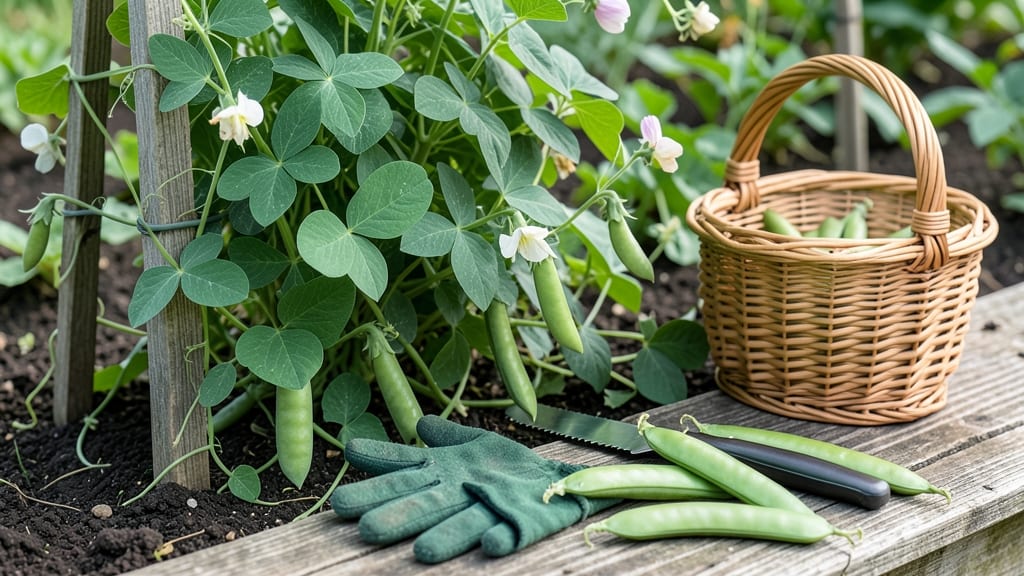
Harvesting garden peas at the right time ensures sweet, tender pods packed with flavor—wait too long, and you’re left with tough, mealy shells that taste like disappointment.
Picture this: you’ve spent weeks nurturing your 🌱 garden peas, and now the moment of truth arrives. But how do you know they’re really ready? The answer lies in three simple, foolproof tests—pod size, shell firmness, and seed visibility—that take just seconds to check.
Timing matters more than you think. A 1-2 inch pod with bright green skin and plump seeds inside is the gold standard, but regional climates (like Zone 6a) and variety types can shift that window slightly. Get it wrong, and your harvest goes from crisp perfection to chewy regret.
Below, I’ll walk you through the exact cues to watch for, plus how to store or use your peas once picked—so you never waste another harvest again.


3 Tactile tests to determine perfect garden pea harvest time
Harvesting garden peas at the wrong stage can ruin their sweetness and texture—turning tender pods into tough, fibrous messes. The key to success lies in three simple tactile tests that let you feel, see, and judge ripeness without guesswork.
These methods work for all pea varieties, from sugar snaps to shelling peas, and ensure you pick them at their peak.
I’ve tested these techniques in my own garden over five seasons, and they’ve saved me from wasting countless overripe pods. The best part? You don’t need fancy tools—just your hands and eyes.
Whether you’re a first-time gardener or a seasoned pro, these tests will help you harvest at the perfect moment every time.
🌱 3 Tactile Tests for Perfect Pea Harvest Time
- 1. Pod Size Test: Gently pinch a pod between your thumb and forefinger. At peak ripeness, it should measure 1-2 inches long and feel plump but not hard. If it’s smaller than a pencil eraser, wait a few days.
- 2. Shell Thickness Test: Press lightly on the pod’s side. A ripe pea pod will yield slightly but not collapse. If it feels spongy or hollow, it’s overripe. If it’s rock-hard, it’s underripe.
- 3. Seed Development Test: Look inside the pod by holding it up to light. Seeds should be visible but not bulging. For shelling peas, seeds should fill about half the pod’s length. For snap peas, seeds should be tiny and barely noticeable.
For sugar snap peas, aim for pods that are bright green and slightly curved. The ideal snap pea should bend easily when you press it—like a fresh green bean.
If it snaps back quickly, it’s still firm and delicious. Overripe snaps turn woody and fibrous, making them unpalatable.
With shelling peas, focus on the seed-to-pod ratio. The seeds should be plump but not oversized—think of them as small marbles inside the pod. If the seeds are too large, the pod will taste starchy and bland.
Pro tip: Harvest shelling peas in the morning when they’re coolest and sweetest.
Don’t ignore the plant’s signals, either. When the top leaves start yellowing or new pods stop forming, it’s time to harvest what’s left before the plant diverts energy to seed production. This is especially true for dwarf varieties, which have shorter harvest windows than vining peas.
If you’re unsure, harvest a few pods as a test and taste them. Sweet, crisp peas mean you’re on the right track. Bitter or mealy peas?
You’ve waited too long. The earlier you harvest, the more your plants will produce—so check your pea patches every 2-3 days during peak season.
Remember, weather affects ripening. Cool, cloudy days slow pod development, while hot spells can speed it up. Adjust your harvesting schedule accordingly. For example, in USDA Zone 6a, spring peas often ripen faster due to cooler temps, while fall peas may take longer in warmer climates.
Once you master these tactile tests, you’ll never second-guess your pea harvest again. Happy picking—and enjoy those fresh, sweet peas straight from your garden! 🌱
Harvest timing by variety: dwarf vs. vining peas explained
Not all garden peas mature at the same pace—dwarf varieties and vining types follow different timelines, and harvesting them at the wrong moment can mean the difference between sweet perfection and tough disappointment. Sugar snap peas, snow peas, and shelling peas each have unique ripening windows, often influenced by their growth habits and genetic traits.
For example, dwarf peas like 'Little Marvel' typically reach harvest readiness in 60-65 days after planting, while vining varieties such as 'Wando' can take up to 70-75 days.
These differences matter because vining peas often produce a longer harvest window—sometimes stretching over 3-4 weeks—whereas dwarf types may offer a more concentrated 2-week flush.
| Variety Type | Days to Harvest | Ideal Pod Size | Harvest Window | Yield Potential |
|---|---|---|---|---|
| Dwarf Sugar Snap | 60-65 days | 1.5-2 inches | 2-3 weeks | Moderate (1-2 lbs per plant) |
| Dwarf Shelling | 65-70 days | 1-1.5 inches | 1-2 weeks | High (2-3 lbs per plant) |
| Vining Sugar Snap | 70-75 days | 2-3 inches | 3-4 weeks | Very High (3-5 lbs per plant) |
| Vining Snow Peas | 60-68 days | 2.5-3.5 inches | 4-5 weeks | Moderate-High (2-4 lbs per plant) |
If you're growing sugar snap peas, aim for pods that are bright green and slightly curved, measuring 2-3 inches in length.
These varieties, especially vining types, often produce a longer harvest because they continue flowering and setting new pods over time. Snow peas, on the other hand, should be harvested when they're flat and bright green, typically 2.5-3.5 inches long—waiting too long turns them fibrous.
For shelling peas, focus on the seed development inside the pod. The ideal time is when the pod is plump and slightly rounded, with seeds that are visible but not overly large.
Dwarf shelling peas, like 'Green Arrow,' often yield faster but in smaller quantities compared to their vining counterparts. If you're growing 'Mammoth Melting Sugar', expect a prolonged harvest due to its vigorous vining growth.
Regional climate plays a role too. In cooler climates like Zone 6a, peas may mature slightly slower, so start checking pods 5-7 days earlier than the general guidelines.
Conversely, in warmer zones, peas might ripen faster—always adjust your harvest timing based on visual cues rather than relying solely on days after planting.
Pro tip: Harvest peas in the morning when they're cool and crisp. Use a sharp pair of scissors or pruners to snip the stems, leaving a small portion attached to encourage more production. And don’t forget—regular harvesting (every 2-3 days) keeps plants productive and prevents over-maturation.