
Picking
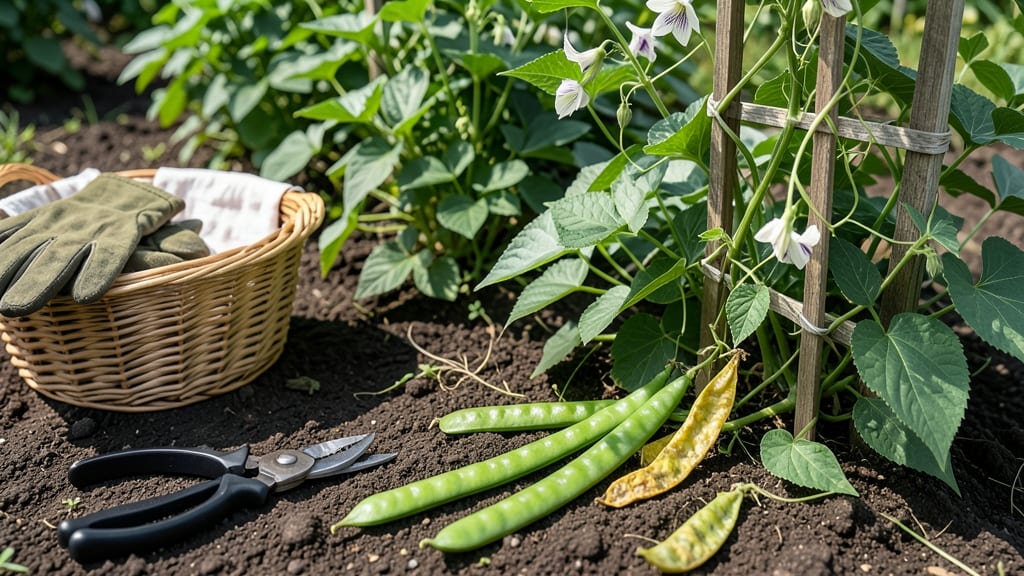
To pick green beans from your garden at the perfect time, watch for pods that are 4-6 inches long and snap crisply when bent — this simple trick ensures tender, flavorful beans every time.
Miss that window, and you’re left with tough, stringy pods that taste like disappointment. 🌱 I’ve learned the hard way: a single late harvest can turn your harvest into a chewy mess, no matter how much you love gardening.
But here’s the good news: with a few key visual cues and timing tips, you can keep your green beans producing all season long. Whether you’re growing snap, wax, or pole beans, knowing when to reach for those pods makes all the difference.
Below, I’ll break down the best time of day to harvest, how to test for readiness, and why picking regularly keeps your plants happy and productive. Let’s get those beans at their peak!


How to perform the snap test for perfect green bean harvest timing
Mastering the green bean snap test is the secret to harvesting crisp, stringless pods every time. This simple technique helps you determine the perfect moment to pick beans before they become tough or woody.
Whether you're growing bush beans or pole beans, the snap test works for all varieties—including snap beans and wax beans. The key is timing: pick too early, and you’ll waste flavor; pick too late, and you’ll get bitter, fibrous beans.
The snap test relies on three key factors: pod size, texture, and seed development. Ideal beans should be 4-6 inches long, bright green, and firm to the touch. When you bend a pod and it snaps cleanly with a slight crack, that’s your cue to harvest.
This method works best in the morning, when beans are cool and crispest. If you miss the window, beans can go from perfect to overripe in just 24 hours.
Let’s break down the process step by step so you can apply it confidently in your garden. The snap test is foolproof—once you practice, you’ll never second-guess harvest time again.
If your beans don’t snap but bend instead, they’re underripe. Wait 1-2 days and test again. Overripe beans will feel tough and may even pop open when you bend them. In this case, harvest them anyway—they’re still edible but less desirable.
For pole beans, focus on the youngest pods near the top of the vine, as they mature faster than those lower down.
Pro tip: Harvest every 2-3 days during peak production to encourage more pods. Green beans are prolific, and regular picking prevents the plant from diverting energy to seed development.
Keep a harvest basket nearby and make it a habit to check your plants daily. The more consistent you are, the more beans you’ll enjoy all season long.
For bush beans, which produce all their pods at once, aim to harvest within 7-10 days of the first pod reaching maturity. This ensures you get the best flavor and texture before the plant’s energy shifts to seed production.
If you’re growing heirloom varieties, like Kentucky Wonder or Blue Lake, they often have slightly longer harvest windows, but the snap test remains your best guide.
Troubleshooting common mistakes can save your harvest. If your beans are small but tough, they might be struggling with nutrient deficiencies or poor soil drainage. Amend your soil with compost and a balanced fertilizer (like 5-10-10) to encourage healthier growth.
If pods are yellowing or spotting, it could signal fungal disease or overwatering. Reduce watering and ensure plants have 6+ hours of sunlight daily.
Remember, the snap test is your garden’s built-in quality control. With practice, you’ll develop an instinct for when beans are ready—no guesswork required. Soon, you’ll be harvesting crisp, stringless pods that taste fresher than anything from the store. Happy harvesting!
Best time of day and seasonal factors for picking green beans
Timing your green bean harvest correctly ensures crisp, flavorful pods instead of tough, stringy ones. The best time of day to pick is morning after dew dries—this guarantees peak freshness and firmness. Cool temperatures preserve quality, while afternoon heat can make pods limp and watery within hours.
Seasonal factors play a huge role too. In cool climates (Zones 3-6), aim for harvests between late spring and early fall when temperatures stay between 60°F and 75°F.
Warmer zones (7-10) can extend harvests into late fall, but avoid picking during heat waves over 90°F—beans quickly turn woody and bitter.
🌱
Heat waves and drought stress accelerate bean maturation, causing pods to toughen faster. If your plants show signs of stress—yellowing leaves or wilting—reduce watering slightly and harvest more frequently to prevent overripening. Always prioritize morning harvests during heatwaves to maintain quality.
For a continuous harvest, follow this seasonal checklist: Start picking when pods reach 4-6 inches in late spring, then maintain a 2-3 day schedule throughout summer.
In fall, reduce frequency as plants slow production. Pole beans may need climbing checks too—inspect vines for hidden pods that can go unnoticed.
🌿
Pro tip: Use a small harvest basket lined with paper towels to keep picked beans cool and crisp. Store them in the fridge for up to 5 days or freeze them immediately for long-term storage.
Regular harvesting stimulates more production, so don’t skip this step—your plants will thank you with bountiful yields all season long!