Picking
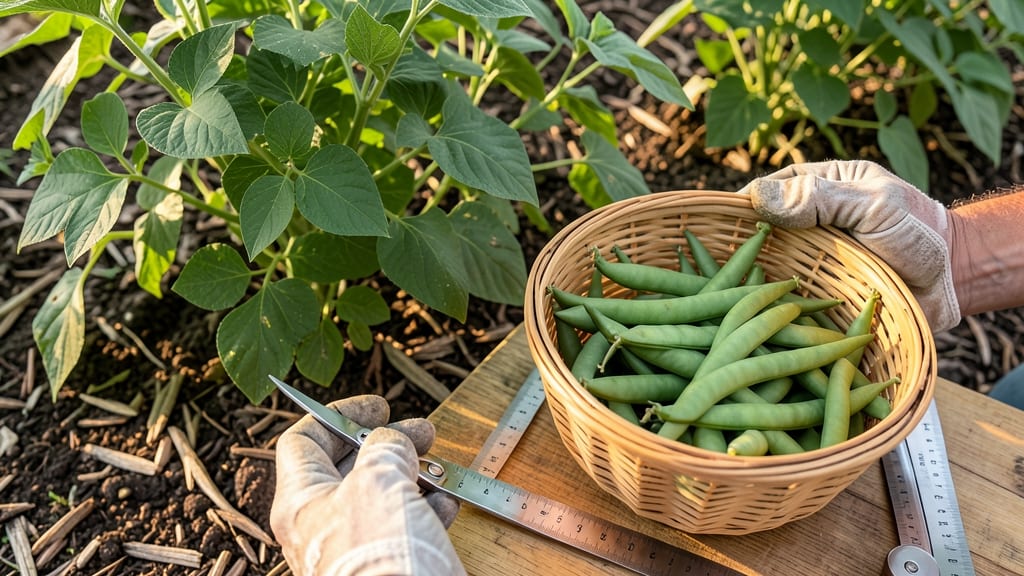
To pick beans from your garden at the perfect moment means snapping into harvest when pods are crisp, tender, and bursting with flavor—before they turn tough and mealy.
Harvesting beans at the wrong time can turn your homegrown bounty into tough, mealy pods—so timing is everything for that perfect crunch and sweet flavor.
Most gardeners know that size matters, but did you know the color of the pod and how it snaps also signal peak ripeness? For example, green beans 🌱 should be 4-6 inches long, bright green, and snap easily when bent—like a fresh carrot.
Miss this window, and you’ll end up with overripe beans that taste bland or stringy.
Below, I’ll break down the exact visual cues to watch for, how often to harvest for maximum yield, and regional tips to adjust your timing based on your climate—so you can enjoy that garden-fresh taste all season long.


How to determine bean pod size for perfect harvest timing
Harvesting beans at the right pod size ensures maximum flavor and tenderness. For most green beans, aim for pods that are 4-6 inches long—this is when they're crisp, sweet, and packed with nutrients.
Smaller pods are still edible but less flavorful, while larger ones become tough and stringy.
Pole beans and bush beans follow similar size guidelines, but their growth habits affect when you'll see ready-to-pick pods. Pole beans climb and produce continuously, while bush beans grow in compact plants with a single harvest window.
Understanding these differences helps you plan your picking schedule for a steady supply.
Here’s how to measure pod maturity accurately: Use your fingers to gently pinch the pod between your thumb and forefinger. If it feels firm and snaps crisply when bent slightly, it’s ready.
Overripe pods will feel woody or hollow, and underripe ones will be soft and rubbery. This simple test saves you from harvesting beans past their prime.
For bush beans, which grow in compact plants, pods typically reach harvest size all at once. This means you’ll have a 3-4 week harvest window where you’ll need to pick daily or every other day to keep the plants producing.
If you miss this window, the pods will quickly become overmature and tough.
Pole beans, on the other hand, produce continuously over a longer season (up to 2 months). Since they climb, you’ll find pods at different maturity stages on the same plant.
Focus on picking the longest pods first, as these are often the oldest. This encourages the plant to produce more young, tender pods.
Regional climate plays a role in harvest timing. In warmer climates, beans mature faster—sometimes in as few as 45 days—while cooler regions may take 65 days or more.
Pay attention to your local frost dates and plant varieties suited to your USDA zone to avoid a sudden end to your harvest.
Pro tip: Use a small ruler or measuring tape to check pod lengths if you’re unsure. Keep one handy while harvesting to ensure consistency. Over time, you’ll develop an eye for perfectly ripe pods without needing to measure every time.
If you’re growing heirloom or specialty beans, always check the seed packet for specific harvest guidelines. Some varieties, like yard-long beans, can grow up to 2 feet long and are best picked at 12-18 inches for optimal texture.
Following these guidelines ensures you enjoy the best flavor and texture from your homegrown beans.
Remember, the key to a successful bean harvest is consistency. Check your plants every 2-3 days during peak production, and always pick in the morning after dew has dried. This keeps your beans crisp, flavorful, and ready for your table.
Color and texture clues that show beans are ready to pick
When your green beans 🌱 reach the perfect balance of color and texture, they’re ready to harvest. Look for pods that are bright green and slightly glossy—this indicates peak sweetness. The color should be uniform without any yellowing or browning spots, which signal overripeness or stress.
Another key clue is the pod thickness. At the right stage, beans should feel firm but not hard. If you gently squeeze a pod and it feels soft or mushy, it’s past its prime. Think of it like testing a ripe avocado—just enough give without being squishy.
Now for the texture test: snap a bean pod between your fingers. If it makes a crisp, clean sound and snaps easily, it’s ready to pick.
A dull thud or resistance means it’s either underripe or overripe. This simple test saves you from harvesting beans that lack flavor or have tough skins.
🌱 Key Takeaways for Picking Beans
- Color: Bright, uniform green (no yellow/brown)
- Size: 4-6 inches long (varies by variety)
- Texture: Firm but snaps crisply when bent
- Seeds: Small and barely visible inside pods
- Avoid: Soft, mushy, or overly large pods
Harvest every 2-3 days in warm climates or 3-5 days in cooler regions to encourage continuous production.
Don’t overlook the stem separation trick. When beans are ripe, they’ll detach easily from the vine with a gentle twist. If the pod resists or tears, it’s not ready yet. This method works especially well for pole beans, where pods hang lower and may be harder to spot.
Regional climates can shift these cues slightly. In hotter zones, beans may ripen faster and lose flavor quicker, so check pods daily. In cooler areas, a slightly slower ripening process gives you more time to harvest.
Always prioritize consistent moisture—drought stress can make pods tough even if they’re the right size.
One common mistake is waiting too long because the pods look "big enough." But overripe beans develop large, visible seeds and dull colors. These beans are still edible but lose their signature crunch and sweetness.
For the best results, harvest in the morning when pods are cool and crisp, and store them in the fridge for up to 5-7 days.