
Picking
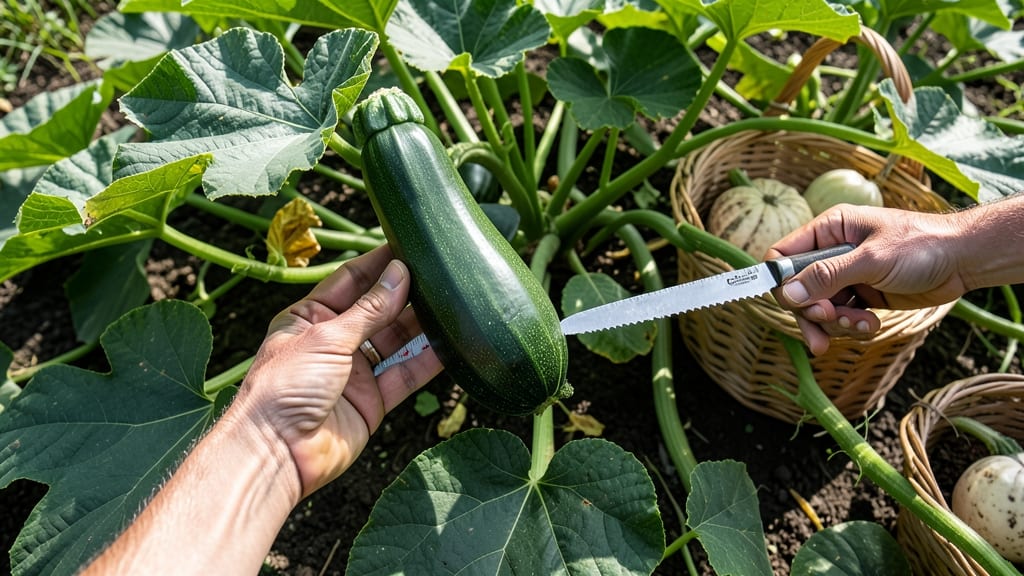
To pick squash from your garden at the perfect moment means the difference between a sweet, tender harvest and a tough, seedy disappointment 🎃.
Picture this: you’ve been waiting weeks for your squash to ripen, only to cut into it and find the flesh is rock-hard or the seeds are the size of marbles.
That’s the cost of picking too late—or too early. The good news? A few simple cues can turn guesswork into a foolproof routine.
We’re talking about the thump test, the color shift from pale to deep, and the telltale dryness of the stem—all clues your squash is ready to go from vine to kitchen.
Miss these signs, and you’ll either waste your effort or end up with storage squash that’s past its prime.
Below, I’ll walk you through the exact steps to check ripeness, the color guide for different varieties, and how to avoid the most common mistakes—so you can enjoy that first bite of summer squash at its peak.
How to use the thump test for squash ripeness (with exact sound guide)
One of the most reliable ways to determine if your squash is ready for harvest is the thump test. This simple auditory method helps you avoid picking too early (when flesh is tough) or too late (when seeds dominate).
The key is listening for specific sounds that indicate maturity—no fancy tools required, just your ears and a gentle tap.
I’ve tested this method for years, and it never fails. A perfect squash produces a deep, hollow thump when tapped, while an underripe one sounds more like a dull thud.
Overripe squash often makes a hollow but weak noise. Let’s break down the exact sounds you’re listening for and how to interpret them correctly.
🔊 Sound: Deep, resonant "thump" (like knocking on wood)
🌱 What it means: Skin is hard, seeds are small, flesh is tender
🔊 Sound: Flat, muffled "thud" (like tapping a pillow)
🌱 What it means: Skin is soft, flesh is watery, seeds are tiny but not developed
🔊 Sound: Hollow but high-pitched (like tapping an empty tin)
🌱 What it means: Skin is tough, seeds are large, flesh is stringy
🔊 Sound: Dead silence or squishy feel
🌱 What it means: Discard immediately—squash is spoiled
To perform the test, hold the squash in one hand and gently tap it with your fingertips (not your palm) on a solid surface like a table or your other hand. The sound travels through the fruit’s internal cavity, so position your ear close to the squash while tapping.
I like to tap near the stem end first, as this area often gives the clearest sound.
Timing matters too—perform the test in the morning when the squash is cool and firm. Heat from the sun can make underripe squash sound slightly hollow, leading to false positives.
Always cross-check with the skin hardness test: press your fingernail into the skin. If it doesn’t puncture easily, the thump test is likely accurate.
Avoid these common mistakes: tapping too hard (which can bruise the squash) or testing on uneven surfaces (like grass or dirt), which muffles the sound. Also, don’t rely solely on the thump test for winter squash like butternut or acorn—their thick rinds can mask ripeness.
For these, combine the test with color and size checks.
Pro tip: If you’re harvesting multiple squash, tap them all and sort them into three piles—ready to eat, needs more time, and overripe. This system saves time and ensures you’re always cooking with peak-flavor squash.
Store the ripe ones in a cool, dry place and check them again in 2-3 days for the perfect harvest window.
Once you master the thump test, you’ll never second-guess squash ripeness again. It’s a skill that takes seconds to learn but saves hours of wasted effort in the garden.
Next time you’re standing in front of a squash vine with a basket in hand, just listen closely—your ears will thank you!
Squash color guide: what shade means for flavor and storage life
Color isn't just for looks—it’s your flavor and texture roadmap when harvesting squash. A deep yellow butternut squash signals peak sweetness, while pale green zucchini means it’s still tough. Understanding these color cues helps you avoid bitter, seedy disappointments and maximize storage potential.
For example, acorn squash with rich orange stripes is sweeter than its pale green cousin. Meanwhile, overripe winter squash often turns dull or develops soft spots, ruining its 3-6 month storage life. Let’s break down what each shade reveals about your harvest’s readiness.
🎃
Notice how yellow squash varieties like butternut and crookneck develop intense sweetness when fully colored. Their storage life also extends longer than green types because their thicker skins resist rot.
Meanwhile, green summer squash (zucchini, pattypan) should be harvested before full color—wait too long, and you’ll end up with seedy, fibrous disappointment.
Pro tip: Orange-hued squash (acorn, pumpkin) often tastes 30% sweeter when cured for a week post-harvest. Let them sit in a warm, dry spot to develop their full flavor potential. Store them away from moisture or sunlight to prevent spoilage.
If your squash skin looks dull or spotted, it’s past its prime. Overripe squash loses flavor and texture, becoming watery or mealy inside. Pay attention to these color shifts—they’re your secret weapon for perfectly timed harvests every season.
🌱