Planting
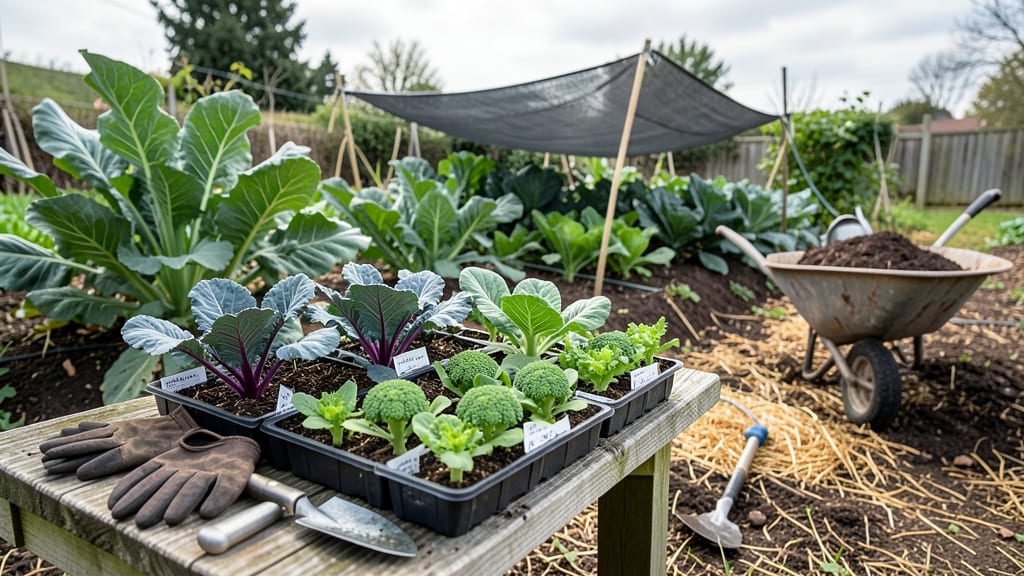
Planting a fall garden in Houston, Texas starts around mid-August when soil temperatures drop below 85°F—the moment when heat-loving summer crops give way to cooler-season favorites.
Houston’s humid summers can trick even seasoned gardeners into missing the perfect window for a thriving fall garden—but timing is everything in this unpredictable climate.
With the first frost typically arriving around mid-December, you’ve got a 90-day window to grow leafy greens, root vegetables, and herbs before winter sets in.
Below, I’ll break down the exact soil temperature triggers, the best crops for Houston’s fall season, and how to adjust your planting schedule if the weather takes an unexpected turn.
Houston’s fall planting timeline: soil temperature and frost-date math
Houston’s fall planting window hinges on two critical factors: soil temperature and the average last frost date. While most gardeners focus on air temperature, root-zone warmth is the real game-changer for seed germination and transplant success.
In Houston’s USDA Zone 9a, soil must reach at least 60°F before planting cool-season crops—this typically happens by mid-August.
Our November 20 average last frost date creates a 90-day growing window for fall crops, but this varies by microclimate. Coastal areas near Galveston may experience frost earlier, while inland zones like Katy often enjoy 10-14 extra frost-free days.
This variability means your planting timeline could shift by 2-3 weeks depending on location.
Here’s the math behind Houston’s fall garden: Count backward from your first frost date (typically December 15) and subtract the days to maturity for each crop. For example, broccoli needs 70-80 days, so you’d plant by September 15.
Meanwhile, fast-growing lettuce (30-40 days) gets a second planting chance in late October.
🌱
For direct-sown crops like carrots or radishes, aim for soil temperatures between 60-70°F—this typically aligns with early August through mid-September. If you’re transplanting seedlings, wait until soil cools to 55-65°F, usually mid-August to early October.
My personal rule is to test soil with a thermometer before planting; if it’s below 60°F, delay until conditions improve.
Houston’s humidity complicates timing further. While coastal areas may experience earlier frosts, inland zones often see warmer microclimates. For example, Sugar Land might have 3-5 extra frost-free days compared to Galveston Island. Always check local frost maps from
Best fall vegetables for Houston’s climate and when to start them
Houston’s fall garden thrives on cool-season vegetables that handle humidity while avoiding early frost. The key is planting 6-8 weeks before Houston’s average first frost (mid-December), which means starting in late August to early October for most crops.
For Houston’s USDA Zone 9a, focus on heat-tolerant cool-season crops like collards and sweet potatoes, alongside classic fall favorites such as broccoli and kale. Microclimates near water or in shaded areas may need adjustments, so always check your soil temperature with a soil thermometer.
For extended harvests, use row covers or cold frames to protect crops like spinach and Swiss chard, which can tolerate light frosts. Houston’s microclimates mean coastal areas may stay warmer—adjust planting dates 1–2 weeks later if needed.
Pro tip: Test your soil’s pH (6.0–7.0 ideal) before planting. Amend with compost if needed, and mulch with straw to retain moisture during Houston’s unpredictable fall rains.
Start with these 5 crops for a foolproof Houston fall garden, and you’ll enjoy fresh harvests well into December! 🥬