Planting
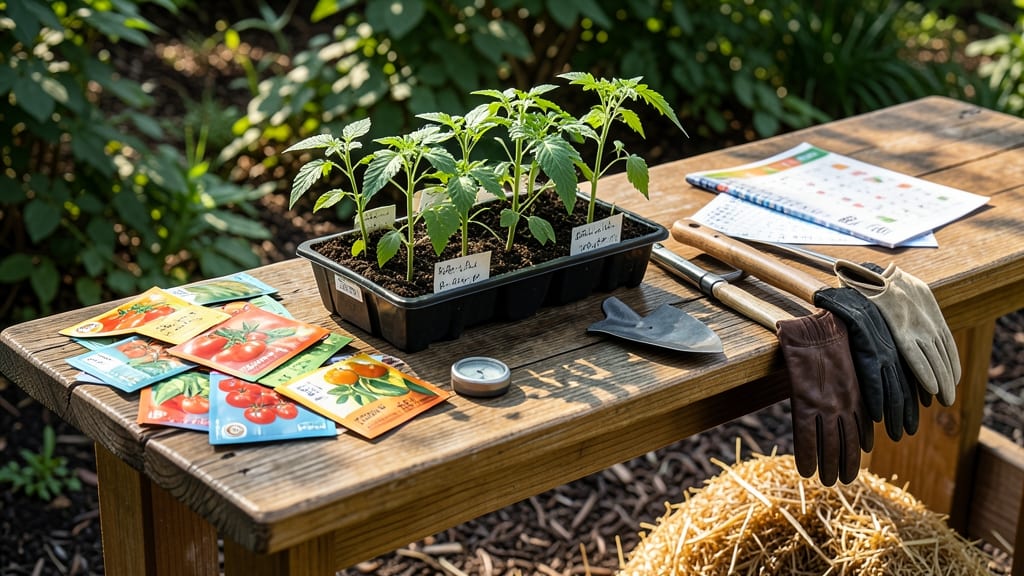
Planting a garden in Alabama requires knowing the exact timing to avoid frost damage or heat stress—miss the window, and your seeds could end up as bird snacks instead of harvests.
Alabama’s warm climate and long growing season make it a gardener’s paradise, but timing your plantings wrong can mean wasted seeds and stunted harvests. Whether you’re in North Alabama’s 7a zone or South Alabama’s 8b, the frost-free deadlines shift by weeks.
Most General Garden Plants 🌱 thrive when planted after the last frost—typically by mid-March in the north and as late as April in the south. But summer crops like okra and sweet potatoes need to go in June or July to avoid wilting in the heat.
Below, I break down the best months for each crop type, how to adjust for microclimates (like Birmingham’s urban heat islands), and when to start seeds indoors for a head start. No more guessing—just proven deadlines for your Alabama garden.
Alabama’s frost-free planting deadlines by USDA zone (2024 guide)
Alabama’s seven USDA hardiness zones (6A-8B) create unique planting windows, with last frost dates ranging from mid-February in southern zones to late March in northern areas. Understanding these deadlines helps you avoid frost damage while maximizing your garden’s potential.
Whether you’re in Mobile’s Zone 8B or Huntsville’s Zone 7A, timing matters for everything from cool-season crops to heat-loving tomatoes.
For most Alabama gardeners, the spring planting window opens between late February and mid-April, while fall planting extends from mid-August to early October. However, microclimates—like urban heat islands in Birmingham or coastal humidity in Pensacola—can shift these dates by weeks.
Below, I’ve broken down the frost-free deadlines and ideal planting periods for each zone, plus adjustments for common microclimates.
Pro Tip: Use a soil thermometer to confirm soil temps of 60°F+ for warm-season crops like peppers and cucumbers, even if frost risk is low. Cold soil can stunt growth, especially in Zone 6A areas like Cullman.
| USDA Zone | Avg. Last Frost | Spring Planting Window | Fall Planting Window | Microclimate Adjustments |
|---|---|---|---|---|
| 6A (North AL: Cullman, Huntsville) | March 15–20 | March 20–April 15 | August 15–September 10 | Urban areas (e.g., Huntsville) may delay spring planting by 1 week due to cold air pockets. |
| 7A (Central AL: Birmingham, Montgomery) | March 1–10 | March 10–April 1 | August 1–September 15 | Birmingham’s urban heat can advance spring planting by 3–5 days in south-facing gardens. |
| 7B (Central AL: Auburn, Tuscaloosa) | February 25–March 5 | March 5–March 25 | August 15–September 20 | Rural areas may plant 1 week earlier than urban zones due to less heat retention. |
| 8A (South AL: Dothan, Troy) | February 15–20 | February 20–March 15 | August 10–September 25 | Coastal areas (e.g., Mobile) can plant warm-season crops like okra 2 weeks earlier. |
| 8B (South AL: Pensacola, Gulf Shores) | February 1–10 | February 10–March 10 | August 5–October 1 | Humidity may require fungus-resistant varieties (e.g., 'Celebrity' tomatoes). |
*Adjust dates 1–2 weeks earlier for heat-loving crops (e.g., peppers, eggplants) in Zones 8A–8B.
In Zone 6A, gardeners should prioritize cool-season crops like broccoli, spinach, and peas in early spring, as warm-season plants (e.g., tomatoes) won’t thrive until soil warms in April.
Meanwhile, Zone 8B gardeners can plant heat-tolerant varieties like sweet potatoes as early as March, thanks to the longer frost-free season.
For summer planting, focus on succession crops like lettuce and radishes in late summer (August–September) to avoid bolting. In Zone 7A–7B, where summer temps can exceed 90°F, opt for shade-tolerant varieties (e.g., 'Black Seeded Simpson' lettuce) or use row covers to protect seedlings.
Microclimates play a huge role in Alabama. For example, Birmingham’s urban heat island can make south-facing gardens 2–3°F warmer, allowing you to plant warm-season crops 1 week earlier.
Conversely, high-elevation areas like Lookout Mountain may experience frost until April 1, delaying planting by 2–3 weeks compared to nearby Zone 7B areas.
Always monitor local weather forecasts and use frost cloth for late-season plantings. In Zone 8A–8B, a rare frost in November can damage tender perennials like banana plants or citrus trees, so mulch heavily to insulate roots.
For herbs like basil, start seeds indoors in Zone 6A by early March to ensure a long harvest season.
Remember: Soil temperature
Best crops to plant in Alabama by season (with exact months)
Alabama’s long growing season and diverse climate zones mean you can grow almost anything—but only if you plant at the right time.
For example, cool-season crops like broccoli and spinach thrive in February and March, while heat-loving crops such as okra and sweet potatoes need to go in June or July to avoid wilting.
Succession planting is key for continuous harvests. For instance, plant lettuce every 2 weeks from March to October to enjoy fresh greens all season. Meanwhile, tomatoes can be planted twice a year: once in March-April for spring harvests and again in July-August for fall yields.
- 1 February-March: Plant peas, spinach, broccoli, and onions—these cool-season crops love Alabama’s mild winter temperatures.
- 2 April-May: Time for tomatoes, peppers, and cucumbers—plant after the last frost (typically mid-April in North Alabama and early April in South Alabama).
- 3 June-July: Plant sweet potatoes, okra, and southern peas—these thrive in Alabama’s summer heat and humidity.
- 4 August-September: Start fall crops like kale, carrots, and radishes—these do well in cooler temperatures before the first frost in November.
- 5 Year-round: Herbs like basil and cilantro can be planted in spring and fall, while perennials like asparagus and rhubarb establish roots in early spring for long-term harvests.
For heat-tolerant varieties, opt for okra like 'Clemson Spineless' or sweet potatoes like 'Beauregard'—these handle Alabama’s summer heat better than standard varieties. If you’re in North Alabama (Zone 7a), start seeds indoors 4-6 weeks before the last frost to extend your growing season.
Pro tip: Use succession planting for bush beans—plant every 2 weeks from April to July to enjoy fresh pods all summer. And don’t forget fall planting! Garlic planted in October will be ready to harvest in April.
By following these exact planting windows, you’ll avoid frost damage, maximize yields, and enjoy fresh produce from spring through fall. Happy gardening! 🌱